TRAVEL
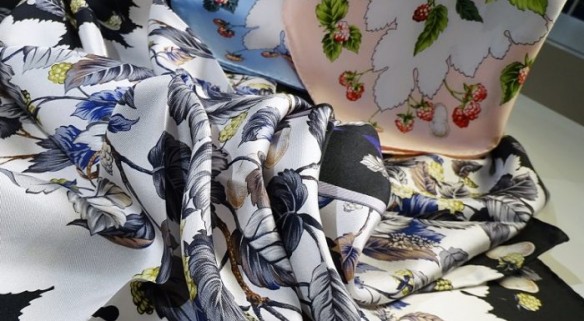
Yokohama Scarves- Harmony of Beauty and Skill-
TRAVEL
2015
30 mins Episode(s): 1
english
Japanese


[Craft Masters of Japan]
Since the opening of its port, the silk industry has developed drastically within Yokohama City. Silk is a soft and delicate fabric, which requires special techniques for dyeing and drawing motifs. This documentary will focus on the traditional "Yokohama scarfs", which have a history of over 100 years. It will follow the workers of a 100-year-old silk dyeing factory, while also focusing on a woman who searches for new possibilities for these luxurious and famous scarves.
Click here to preview this episode!
Part of the "Craft Masters of Japan Series"!
Since the opening of its port, the silk industry has developed drastically within Yokohama City. Silk is a soft and delicate fabric, which requires special techniques for dyeing and drawing motifs. This documentary will focus on the traditional "Yokohama scarfs", which have a history of over 100 years. It will follow the workers of a 100-year-old silk dyeing factory, while also focusing on a woman who searches for new possibilities for these luxurious and famous scarves.
Click here to preview this episode!
Part of the "Craft Masters of Japan Series"!
Customers who watch this video also watch
-
Traditional Paper "Senkashi" -The 400-year-old custom-
2015 30 mins[Craft Masters of Japan] The "Senkashi" washi paper is one of Japan's Intangible Cultural Treasures. Dating back to the Edo Period, its technique has been passed down for over 400 years. We take a look at Takashi Kikuchi, who is a washi maker specializing in this unique and historically rich...more details -

The Namahage Sedo Festival -Oga Peninsula-
2017 30 mins[Festivals of Japan Season 1] The Namahage of Akita is an Intangible Folk Cultural Property of Japan that is both extremely popular and well-recognized. One of the three largest festivals in Japan, the "Namahage Sedo Festival" is a combination of this "Namahage" and local shrine festivities. This episode describes the...more details -
Takaoka Mikuruma-yama Festival -Turning the Wheels of Tradition-
2018 30 mins[Festivals of Japan Season 2] The Takaoka Mikuruma-yama Festival in Toyama Prefecture was registered as a UNESCO Intangible Cultural Asset in December 2016. With the creaking sounds of the turning wheels, the seven lavish floats make their way along the same route they have gone since ancient times, pushed onwards...more details -
Ofune Festival -Parishioners Who Support the Festivals-
2017 30 mins[Festivals of Japan Season 1] The Ofune Festival is held at the Suwa Taisha (Suwa Grand Shrine) in Nagano Prefecture every fall. During the Senzasai in spring, the sacred dolls of the old man and woman are carried from the Fall Shrine to the Spring Shrine. However, in the Ofune...more details