ENTERTAINMENT
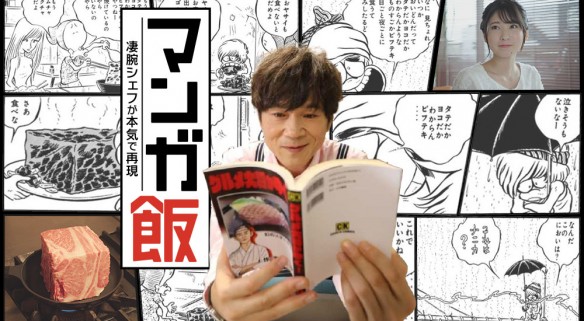
Manga Food Restaurant
ENTERTAINMENT
2018
55 min Episode(s): 5
english
Japanese

This series follows two fictional characters, Kenjiro Tabe, an office worker with a passion for food found in manga, and Chinatsu Yamamoto, his subordinate. Together, the pair visit real-life restaurants challenging chefs to recreate various meals featured in legendary gourmet mangas. From a monster-sized 20 cm x 20 cm steak to a fried croquette with three different Japanese dishes packed inside, the foods featured in this program are all ridiculously creative, ridiculously delicious, and ridiculously fun to look at!
Click here to preview this program!
Click here to preview this program!
Customers who watch this video also watch
-

Omanto Festival -Land on This Horse-
2018 30 mins[Festivals of Japan Season 2] The Omanto Festival of Aichi Prefecture is a much-loved festival passed down since the Edo period. The highlight of this festival is held at a circular run where young men display their courage by jumping onto horses traveling at 40 km/hour. The locals of this...more details -
Nebuta Festival -Nebuta Master Creator's 365 days-
2018 30 mins[Festivals of Japan Season 2] Every year between August 2nd and 7th, the dynamic Nebuta floats of Aomori Prefecture are paraded around the city at night, providing a colorful and exciting summer spectacle for all to enjoy. The city's pride, the Aomori Nebuta Festival, was recognized as an Important Intangible...more details -
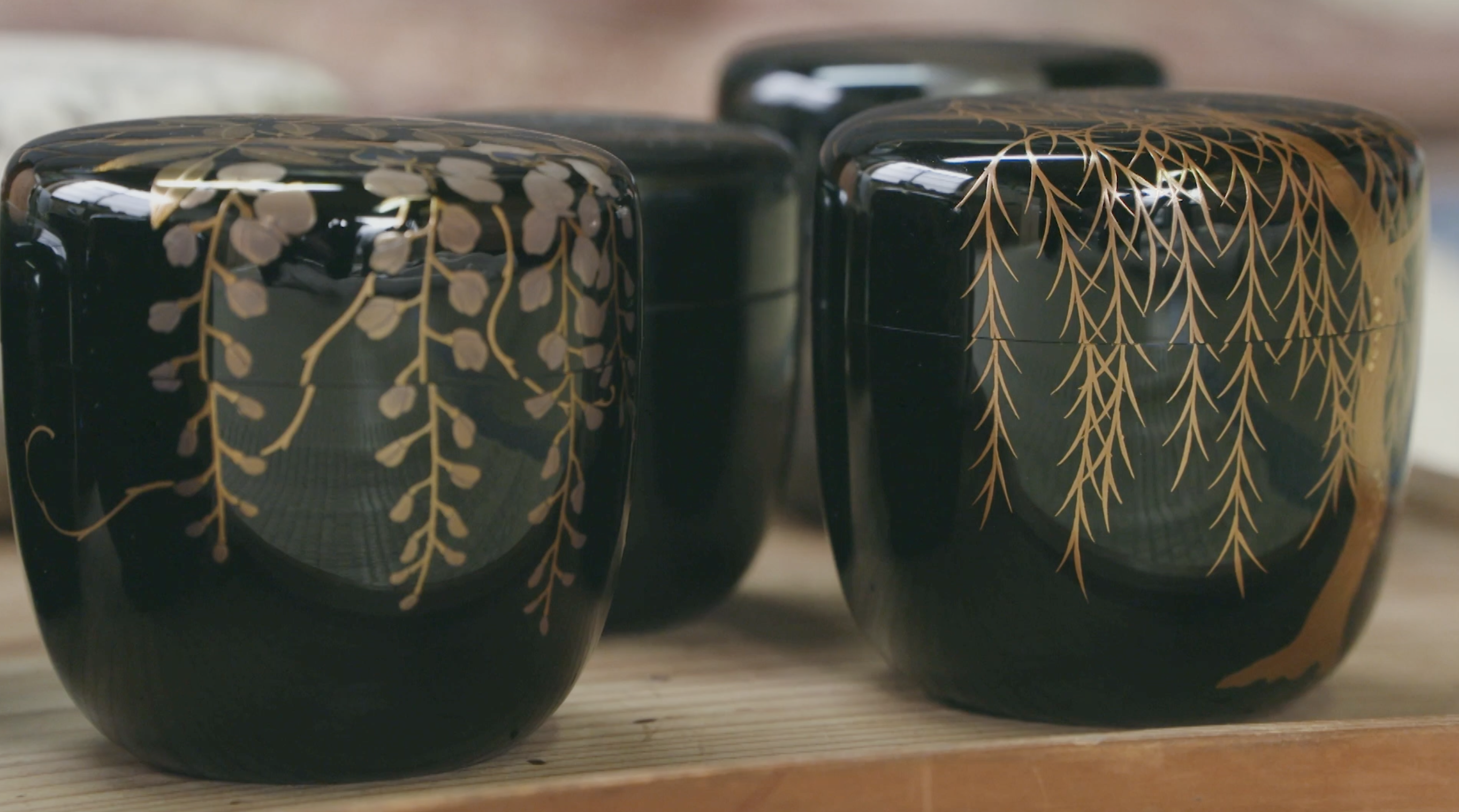
Traditional Lacquerware - That Which Shines Beyond the Black (Akita Prefecture)
2021 25 minutes[Colors in Japan] “Kawatsuralacquerware” is a traditional Japanese craft with a history dating back about 800 years. Against the background of that long tradition, four lacquer artisans are now trying to create new types of lacquerware with features based on their original ideas. Please click here to preview the program!...more details -
Costume Play Family Photograph
 2009 Grand Prize at NAB Awards 2009 / Local TV Festival 2009. The rapid economic growth in Japan during the last century has taken its toll on the health of family life. This documentary focuses on the "modern family image" in Japanese society, where family ties are becoming thin. Masashi Asada...more details