MOVIE
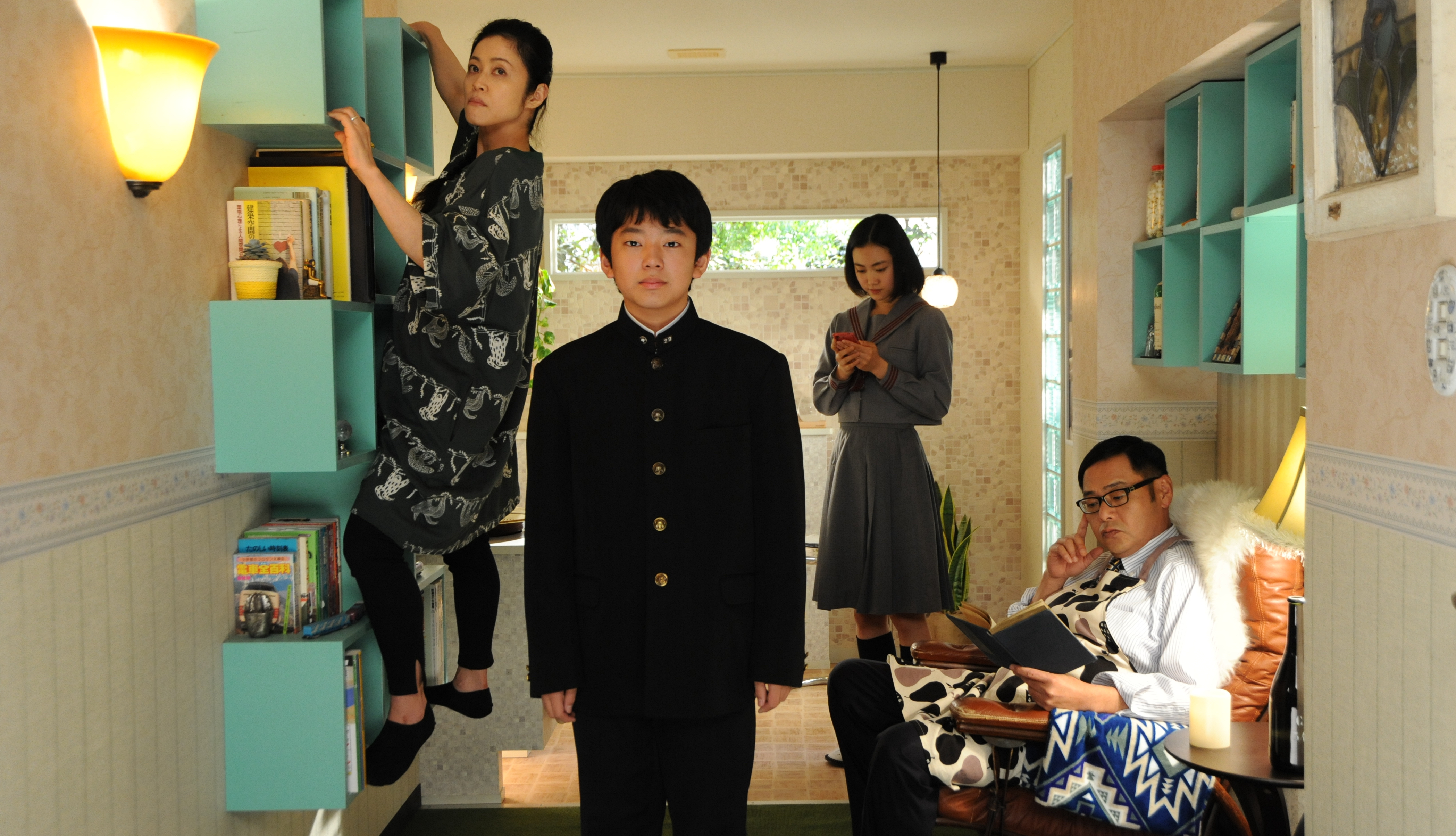
Quiet Hide-and-seek
MOVIE
2019
30 min Episode(s): 1
english
Japanese

[Short Movie]
A peculiar incident occurred in the Kamata family. Two weeks ago, Mom disappeared after a fight with Dad. While Dad and Shiho don’t have the slightest idea where Mom has gone, 13-year-old Kojiro knows her whereabouts. He helped her to hide somewhere in the house. Mom can only truly feel at home during the daytime when Dad is at work and the kids are at school. Kojiro and Mom share a secret signal. Then, one day, after they have gotten used to living like this, Dad comes home unexpectedly during the day. Does the quarrel between Mom and Dad have no end?
Click here to preview the program!Customers who watch this video also watch
-
World Heritage OKINOSHIMA
45 minutesThis is a new program about the sacred island of Okinoshima, situated between the Japanese archipelago and the Korean peninsula. It has attracted the devotion of the local population in the Munakata region, who possessed advanced nautical skills. Large-scale rituals utilizing an enormous quantity of precious votive offerings were conducted...more details -

Laugh It Away and Say Goodbye
 2010 Winner of Best News Documentary at Monte-Carlo TV Festival 2011 Grand Prize at The Age of Regionalism Video Festival 2011 Grand Prize at “Era of Local” TV Festival 2010 Small and medium-sized businesses are the back bones of Japan that support the economy from the bottom-up. However, as work decreased...more details
 -

Me and Another Me - Living with Tourette Syndrome -
2024 2025 WorldMediaFestivals Silver 2025 WorldMediaFestivals Special Award: Global Awareness 2025 US International Awards: Silver This program confronts the hidden struggles of Tourette's syndrome in Japan, a neurological condition marked by involuntary tics that affect many yet remain widely misunderstood. Through the insights from experts and personal accounts and the poignant...more details -
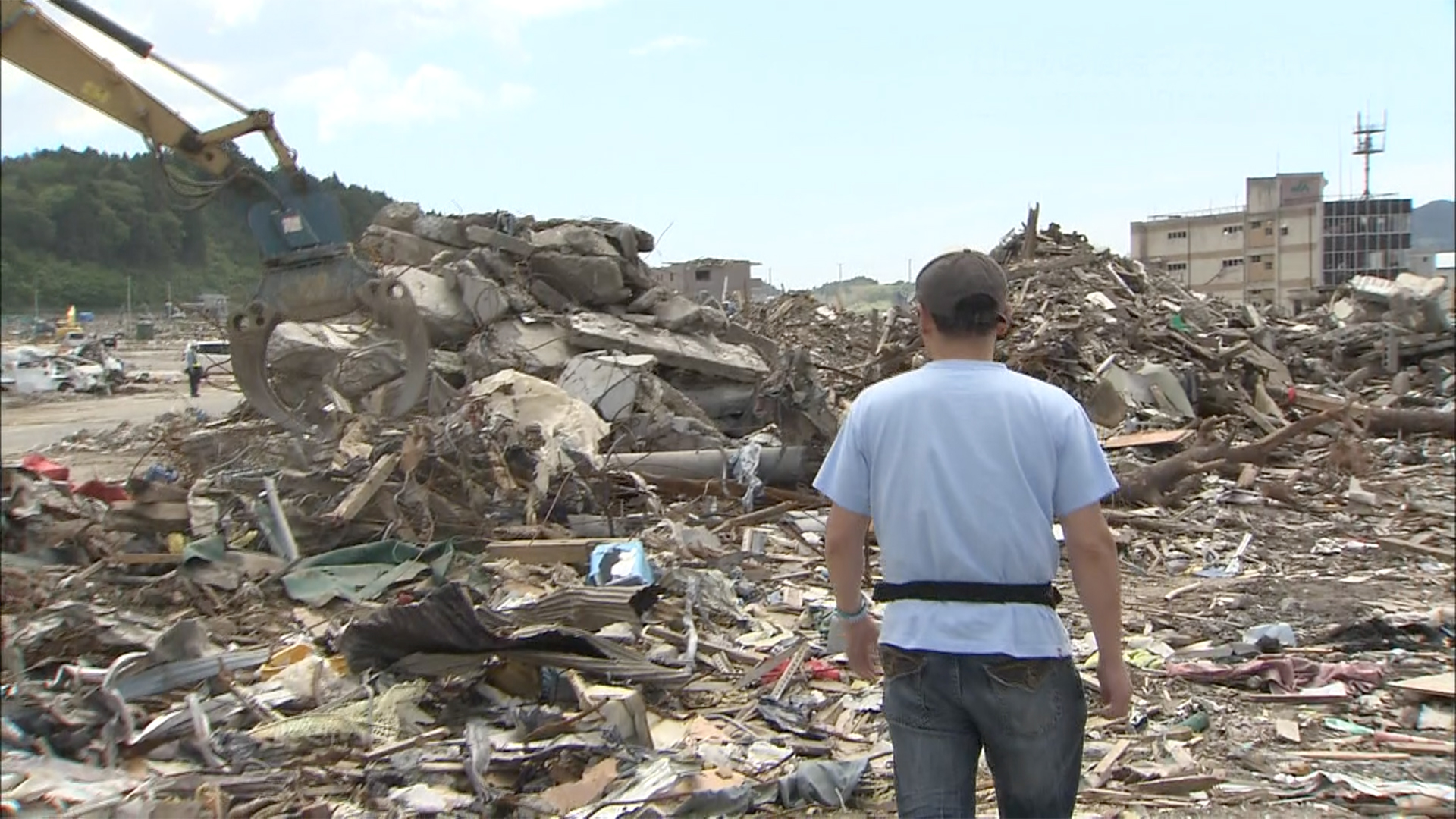
Rikuzentakata City: 10 Years in the Rebuilding of a Town from Zero
2021 49 minsThe city of Rikuzentakata in Iwate Prefecture had a two-kilometer stretch of shoreline covered with 70,000 pine trees that was ranked among the top 100 landscapes of Japan. On March 11, 2011, the city and shoreline were obliterated by the infamous tsunami which struck that day. This documentary follows the...more details