TRAVEL
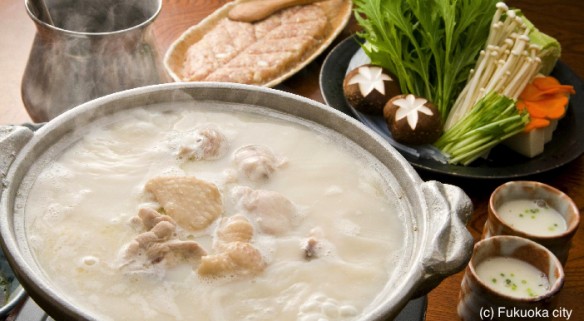
Traditional home dishes from the Gastronomic city
Hakata city, Fukuoka Pref.
TRAVEL
2014
30mins Episode(s): 1
english
Japanese


[Beauty of Japan Season 1]
“Gameni stew", “Mizutaki hot-pot” and “Hakata Zoni stew” are some of the traditional dishes from the gastronomic city of Fukuoka.
This documentary focuses on the regional cuisines, which have been passed on generations by Hakatakko (Hakata local people) who are known for their high-spirited characters. It also talks about the recipes, and the history behind the dishes.
*Part of the 'Beauty of Japan' series.
Click here to preview this episode!
“Gameni stew", “Mizutaki hot-pot” and “Hakata Zoni stew” are some of the traditional dishes from the gastronomic city of Fukuoka.
This documentary focuses on the regional cuisines, which have been passed on generations by Hakatakko (Hakata local people) who are known for their high-spirited characters. It also talks about the recipes, and the history behind the dishes.
*Part of the 'Beauty of Japan' series.
Click here to preview this episode!
Customers who watch this video also watch
-

Shiretoko Peninsula’s Kingdom of Brown Bears
 2003 “Era of Local” TV Festival 2010 Grand Prize. Shiretoko Peninsula, Japan’s final frontier, is the last kingdom of brown bears where their life in the wild can be observed. Surrounded by the ocean, the Shiretoko Peninsula is densely inhabited by brown bears, which is proof that Shiretoko is blessed with...more details
 -

Manga Food Restaurant
2018 55 minThis series follows two fictional characters, Kenjiro Tabe, an office worker with a passion for food found in manga, and Chinatsu Yamamoto, his subordinate. Together, the pair visit real-life restaurants challenging chefs to recreate various meals featured in legendary gourmet mangas. From a monster-sized 20 cm x 20 cm steak...more details -
Sendai Tansu (Sendai furniture) -Harmony of three skills-
2015 30 mins[Craft Masters of Japan] The Sendai Tansu furniture was created around the end of Edo period (mid-19th century). Its fabrication process is based on 3 traditional techniques which were all inherited from the Edo period; ‘Sashimono (furnishing)’, ‘Urushi lacquer’, and ‘metal fitting’. Nowadays, the tradition is well harmonized with a...more details -

Living together with the God of Wetland: the Red-crowned Crane Kushiro city, Hokkaido Pref.
2014 30mins[Beauty of Japan Season 1] ‘Tanchozuru’, or red-crowned cranes, are designated as a special national monument which are seen in Kushiro wetland. In the Ainu language, they refer to this elegant and graceful bird as the 'sarurun kamuy' (god of wetland). The camera follows those working to preserve the environment,...more details