MOVIE
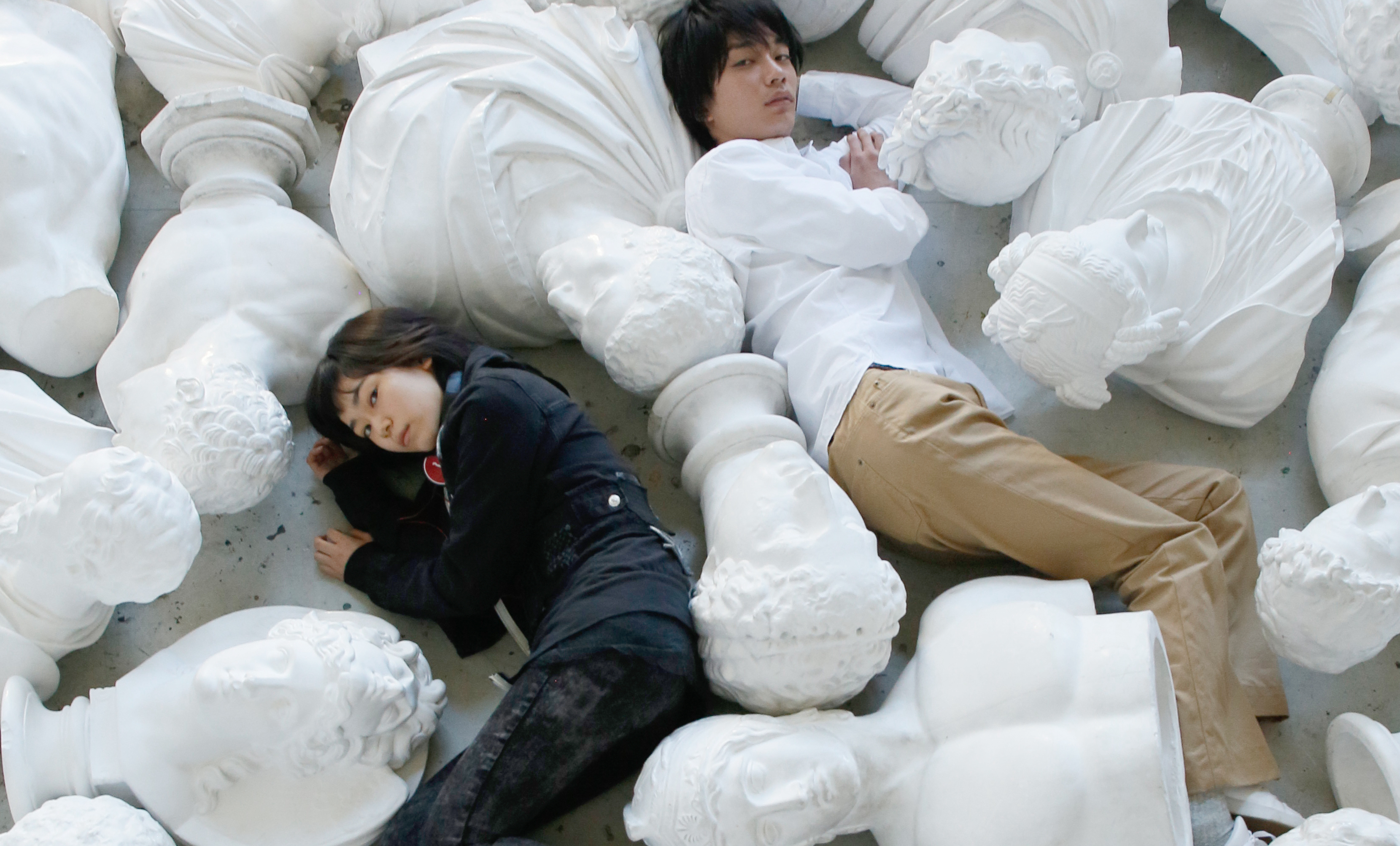
Last Judgement
MOVIE
2019
30 min Episode(s): 1
english
Japanese

[Short Movie]
Click here to preview the program!
Inaba is a candidate in the entrance examination of Tokyo Art University, one of the top Japanese Art Universities. He is eager to take the exam because it is his fifth and final chance. The entrance exam lasts for two days. On the first day of the exam, a fellow candidate, Hatsune, catches his eye with her eccentric appearance. When the exam starts, the other candidates feel the pressure as they witness Hatsune’s incredible artistic skill. Distracted by Hatsune, Inaba finds it difficult to concentrate on his own work, and the first day of the exam comes to a close. Frustrated, Inaba approaches the relaxed Hatsune to ask about the secret to her artistic ability and unique technique.
Click here to preview the program!
Customers who watch this video also watch
-

New Life Blossoms in an Old Village: Seven Years of Struggle and Hope
 2013 The aging of Japan's population is steadily hollowing out the country's agriculture. Realizing the gravity of the situation, a struggling farming community in Ishikawa Prefecture called Sugaike began trying to attract young residents. Hiroyuki Yago is one of the people who came. He moved from Osaka to Sugaike in order...more details
 -

Oshima and Jacques the Baker- Niihama, Ehime Prefecture
30 mins[Beauty of Japan Season 2] Oshima is a small island on the Seto Inland Sea with a population of just 250 people. Swiss native, Jacques moved to the peaceful island with his wife Etsuko. He runs a small bakery and a farm on this remote island, enjoying a peaceful and...more details -
Daidai Kagura -The Ritual Dance of Iki, the Island of the Gods-
2017 30 mins[Festivals of Japan Season 1] Iki Island, in Nagasaki Prefecture, has about 1,000 shrines. The Iki Kagura is an ancient and sacred dance practiced only by Shinto priests and is an Intangible Folk Cultural Property of Japan. The sacred ceremony is carried out with the playing of flute and drum...more details -

The Iki Sea that Enchanted a Hawaiian Man- Iki, Nagasaki Prefecture
2018 30 mins[Beauty of Japan Season 2] There are more than 30 beaches on the Iki Islands in Nagasaki Prefecture. Matthew, who was born in the United States, claims that its beaches are just as beautiful as those in Hawaii. His job is to assist foreign artists and visitors on the island,...more details