TRAVEL
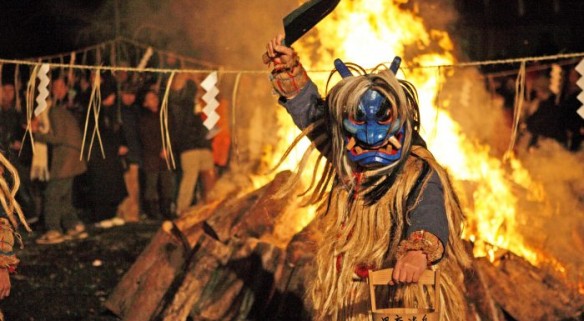
The Namahage Sedo Festival -Oga Peninsula-
TRAVEL
2017
30 mins Episode(s): 1
english
Japanese


[Festivals of Japan Season 1]
The Namahage of Akita is an Intangible Folk Cultural Property of Japan that is both extremely popular and well-recognized. One of the three largest festivals in Japan, the "Namahage Sedo Festival" is a combination of this "Namahage" and local shrine festivities. This episode describes the different events of this festival, which include the reenactment of the Namahage rituals, and their descent from the snowy mountains, while also introducing the people responsible for passing down this tradition.
Click here to preview the program!
Part of "Festivals of Japan - Season 1".
The Namahage of Akita is an Intangible Folk Cultural Property of Japan that is both extremely popular and well-recognized. One of the three largest festivals in Japan, the "Namahage Sedo Festival" is a combination of this "Namahage" and local shrine festivities. This episode describes the different events of this festival, which include the reenactment of the Namahage rituals, and their descent from the snowy mountains, while also introducing the people responsible for passing down this tradition.
Click here to preview the program!
Part of "Festivals of Japan - Season 1".
Customers who watch this video also watch
-

Festivals of Japan Series- Season 1
2017 30 minsThis is the first season of the Festivals of Japan Series, which introduces various festivals around Japan. In this 12 episode season, we will explore the festivals themselves, their histories, and the people responsible for preserving, cherishing, and passing on their traditions. From giant sea bream floats, children`s kabuki, portable...more details -
Daidai Kagura -The Ritual Dance of Iki, the Island of the Gods-
2017 30 mins[Festivals of Japan Season 1] Iki Island, in Nagasaki Prefecture, has about 1,000 shrines. The Iki Kagura is an ancient and sacred dance practiced only by Shinto priests and is an Intangible Folk Cultural Property of Japan. The sacred ceremony is carried out with the playing of flute and drum...more details -
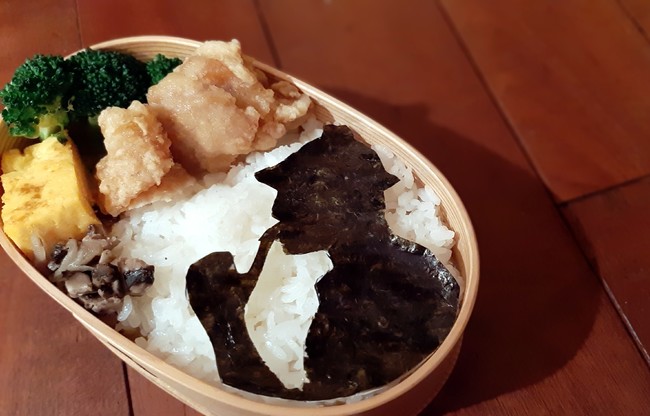
The Detective's Bento
2022 12 minsGendoji Daigo is a private detective with two passions: mysteries and food. Due to a personal quirk, he never eats food made by others, instead bringing his own elaborate bento to every case- each inspired by dishes from classic mystery novels and famous detectives like Sherlock Holmes. Nicknamed “The Bento...more details -
Sendai Tansu (Sendai furniture) -Harmony of three skills-
2015 30 mins[Craft Masters of Japan] The Sendai Tansu furniture was created around the end of Edo period (mid-19th century). Its fabrication process is based on 3 traditional techniques which were all inherited from the Edo period; ‘Sashimono (furnishing)’, ‘Urushi lacquer’, and ‘metal fitting’. Nowadays, the tradition is well harmonized with a...more details