DOCUMENTARY
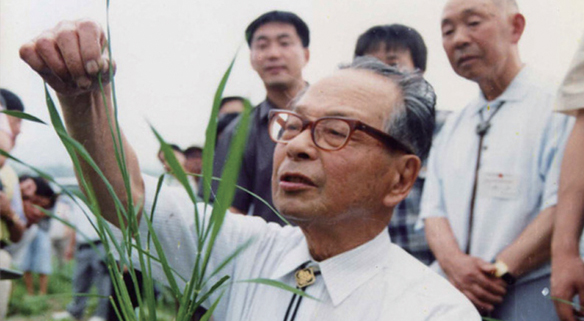
Golden Field in China
DOCUMENTARY
2009
60 mins Episode(s): 1
 English
English
English

English
English
Sichuan TV Festival Golden Panda Award.
China has achieved remarkable development. One driving force behind its growing prosperity is a Japanese man who devoted his life to passing on his rice farming expertise bringing about an agricultural revolution in China. That man is Shoichi Hara, an agricultural engineer from Hokkaido.
In 1982, at the age of 64, Hara introduced transplant culturing to Heilongjiang Province, China.
This documentary follows the footsteps of Hara, praised in China as a “Deity of Wet Rice.” We learn his enormous contribution to China in terms of increasing food production. The footage also includes scenes of Hara’s eldest son visiting China 26 years later in order to honor his father’s last words.
China has achieved remarkable development. One driving force behind its growing prosperity is a Japanese man who devoted his life to passing on his rice farming expertise bringing about an agricultural revolution in China. That man is Shoichi Hara, an agricultural engineer from Hokkaido.
In 1982, at the age of 64, Hara introduced transplant culturing to Heilongjiang Province, China.
This documentary follows the footsteps of Hara, praised in China as a “Deity of Wet Rice.” We learn his enormous contribution to China in terms of increasing food production. The footage also includes scenes of Hara’s eldest son visiting China 26 years later in order to honor his father’s last words.
Customers who watch this video also watch
-
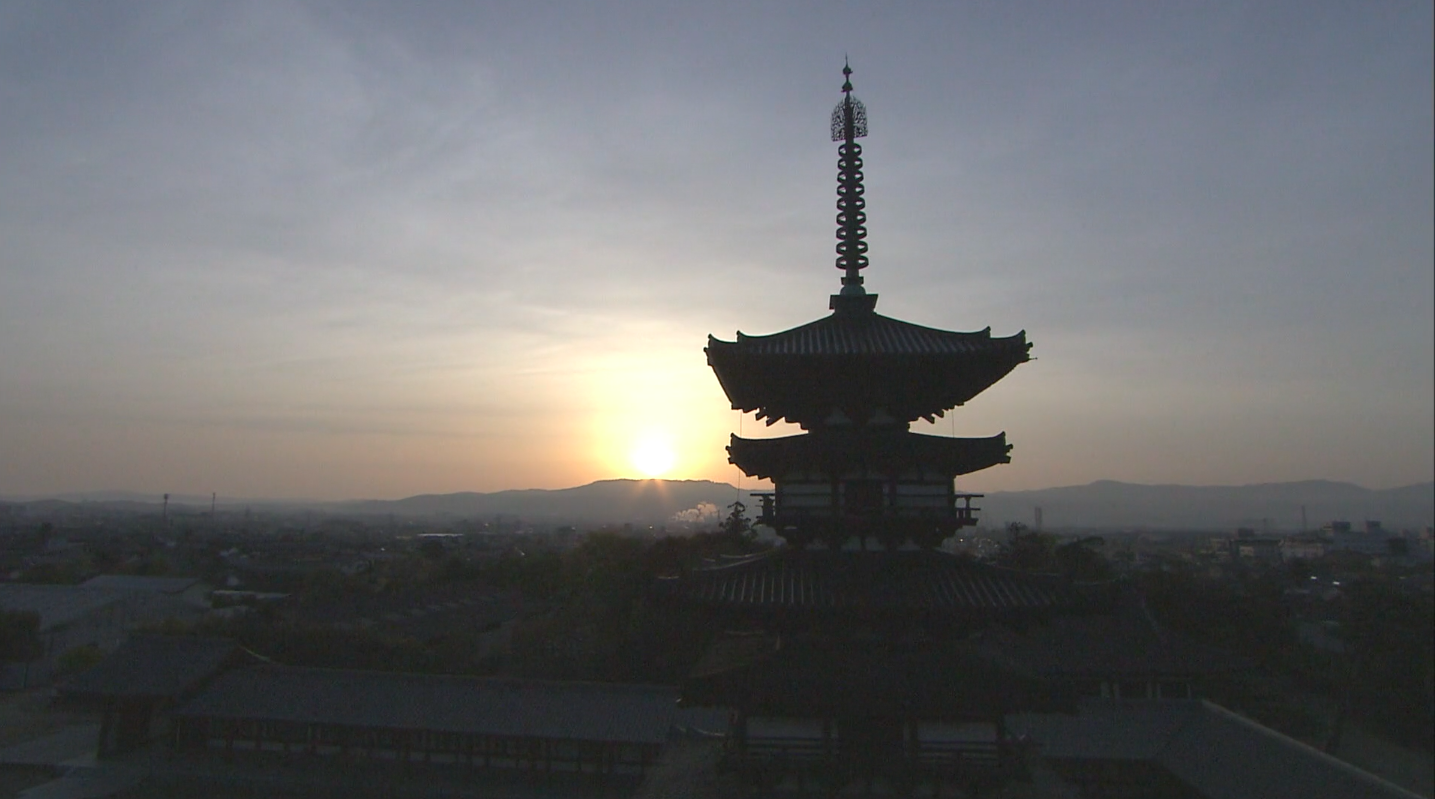
1300 Years of Prayers The Rebirth of the East Pagoda
2023 55 min.Yakushiji Temple is a World Heritage site in Nara. Its East Pagoda is a National Treasure of Japan and the only remaining building from the Heijo-kyo capital, built in the year 730. Yet due to severe deterioration and the potential threat of earthquakes, it became necessary for it to be...more details -
The Fall of Manchuria Began Here
2016 2017 US International Film and Video Festival - Silver Screen 2017 New York Festival - Finalist For 70 years, three enormous Soviet Army bases remained undiscovered on the plains of Mongolia. The discovery of these bases supports speculation of Stalin's intent to invade Japan, completely overturning the Japanese Army's previously...more details -
Yakuza and Constitution
2016 96 minsSince the enactment of the Anti-Boryokudan Act and Yakuza exclusion ordinances, the number of Yakuza members has reduced to less than 60,000. In the past 3 years, about 20,000 members have left Yakuza organizations. However, the numbers alone does not explain the reality. What are they thinking? How are they...more details -

Hungry Hoppers - Pigging out around Japan
2010 24 minsThis crazy and entertaining food show hosted by Yo Oizumi, a Japanese rising actor/star, follows three comedic guys known as the "Piggy Family" as they travel around Japan seeking out the local hidden delicacies that Japan's world-renowned cuisine has to offer. Watch as the guys travel in their minivan, named...more details