DOCUMENTARY
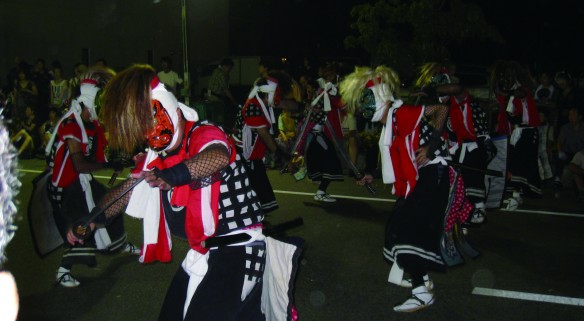
Oni-kenbai: Prayer in Motion
DOCUMENTARY
2012
30 mins Episode(s): 1
English
English

The Oni-kenbai demon sword dance has been passed down from fathers to sons to grandchildren, with no additions or amendments for generations.
Not simply a dance to pray for happiness, it's to ensure the spirits of ancestors of both dancers and viewers are kept alive, while driving away evil.
This is the demons' gift they want to leave behind.
Not simply a dance to pray for happiness, it's to ensure the spirits of ancestors of both dancers and viewers are kept alive, while driving away evil.
This is the demons' gift they want to leave behind.
Customers who watch this video also watch
-
On-Chan Season 2
 2010 Shanghai TV Festival International Animation Nominated, 2008 New York Festival Finalist, 2009 Banff World TV Festival Nominated, 2009 On-chan is an educational animation program for young children. The episodes are filled with laughter and lessons for young viewers as well as a variety of very loveable characters. See how On-chan...more details
 -
The Namahage Sedo Festival -Oga Peninsula-
2017 30 mins[Festivals of Japan Season 1] The Namahage of Akita is an Intangible Folk Cultural Property of Japan that is both extremely popular and well-recognized. One of the three largest festivals in Japan, the "Namahage Sedo Festival" is a combination of this "Namahage" and local shrine festivities. This episode describes the...more details -
Shakuhachi Flute and Texas- Okayama Prefecture
30 mins[Beauty of Japan Season 2] Jennifer is a Shakuhachi (Japanese flute) master who originally comes from Texas. She says the beauty of the instrument lies in its ability to express nature. Birds singing and the sound of waves can all be expressed through Jennifer's shakuhachi. She mastered the ability to...more details -
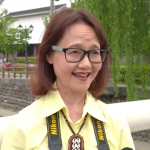
Ogaki Festival seen through the viewfinder of Irene- Ogaki, Gifu Prefecture
30 mins[Beauty of Japan Season 2] The Ogaki Festival is held in the samurai town of Ogaki and has a long history that dates back to the Edo period. Thirteen floats are paraded across town during the festival and are considered moving pieces of art. Decorated with minuscule carvings, gorgeous embroidered...more details