DOCUMENTARY
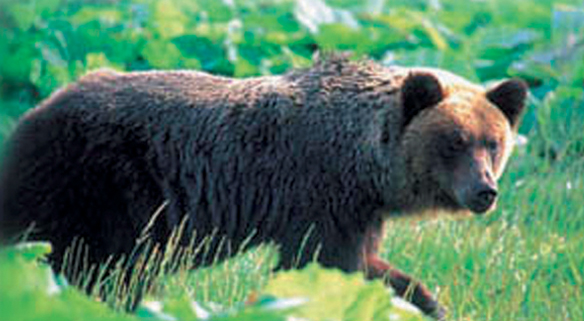
Shiretoko Peninsula
DOCUMENTARY
2002
45 mins Episode(s): 1
 English
English
English

English
English
2002 New York Festival Awards.
Nature and Wildlife Documentary: Silver Medal
Into the Sea of Okhotsk, off the northern Japan’s island of Hokkaido, protrudes the Shiretoko Peninsula.
The severe nature of the peninsula deters human intrusion and development. With no roads reaching the edge of the peninsula, it seems more like a small island floating upon the sea. Despite its small size, the peninsula has preserved a rich and bountiful ecosystem.
Reigning atop this ecosystem is the Brown Bear. Known to be fierce wild animals, we ponder the potential for brown bears to successfully coexist the humans.
Nature and Wildlife Documentary: Silver Medal
Into the Sea of Okhotsk, off the northern Japan’s island of Hokkaido, protrudes the Shiretoko Peninsula.
The severe nature of the peninsula deters human intrusion and development. With no roads reaching the edge of the peninsula, it seems more like a small island floating upon the sea. Despite its small size, the peninsula has preserved a rich and bountiful ecosystem.
Reigning atop this ecosystem is the Brown Bear. Known to be fierce wild animals, we ponder the potential for brown bears to successfully coexist the humans.
Customers who watch this video also watch
-
Onyudo -Japan's Largest Mechanical Doll-
2017 30 mins[Festivals of Japan Season 1] The "Onyudo", the largest mechanical doll in Japan, is the symbol of Yokkaichi City in Mie Prefecture. Every year at the Yokkaichi Festival in August, the Onyudo entertains many people with its humorous and silly movements. Placed on a large float, its gigantic body sways...more details -
Tracking the Snipe God -Two Stories of the Latham's Snipe-
2017 55 mins“Ojishigi” (the Latham Snipe) is a small bird that travels between Hokkaido and Australia. Through many years of study, it was discovered that they mate in Hokkaido during summer in the northern hemisphere and travel all the way to Australia to spend the summer in the southern hemisphere. But their...more details -
The Thousand Cherry Blossom Trees of Eboshiyama Park
2017 30 mins[Festivals of Japan Season 1] Akayu Hot Spring in Yamagata Prefecture lost much of its bustling energy due to large fires that occurred in the late 1800s. Wishing for the recovery of their city, local volunteers created Eboshiyama Park. Later, as vitality slowly began to return to the city through...more details -
Costume Play Family Photograph
2009 Grand Prize at NAB Awards 2009 / Local TV Festival 2009. The rapid economic growth in Japan during the last century has taken its toll on the health of family life. This documentary focuses on the "modern family image" in Japanese society, where family ties are becoming thin. Masashi Asada...more details