TRAVEL
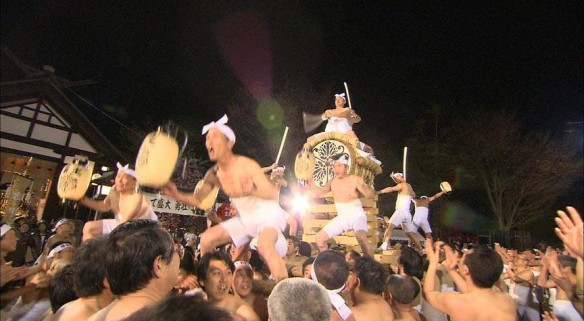
Traditional Festivals of Japan
TRAVEL
2009
55 mins Episode(s): 5
English
English

Shrines and temples like Ise Jingu Shrine with a history of 2000 years are carefully preserved all over Japan. Traditional cultural festivals are held all over the country that take place in these very special shrines and temples.
Five of these famous festivals have been captured on camera and each program reports the traditional culture in the region where the festival is taking place, as well as the people who passionately participate in the festival.
Five of these famous festivals have been captured on camera and each program reports the traditional culture in the region where the festival is taking place, as well as the people who passionately participate in the festival.
Customers who watch this video also watch
-

Tsunami Disaster: Heartache and Hope Through the Viewfinder – 49 Days of Life and Death –
 2011 2012 New York Festivals United Nations DPI Bronze Award. On March 11th, 2011, the Great Eastern Japan Earthquake of magnitude 9.0 leveled northeastern Japan. Kesennuma City of Miyagi Prefecture was torn apart. The subsequent tsunami and fires that broke out from fuel leakage led to 1,500 people dead or missing from...more details
 -
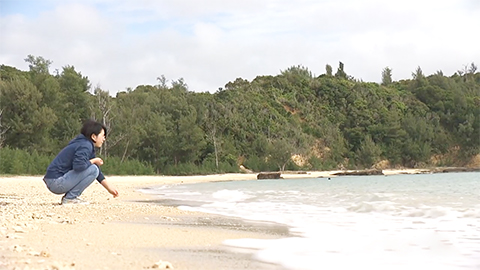
Chimugurisa ~Nanohana's Okinawa Diary ~
2018 Grand Prize at The Age of Regionalism Video Festival 2018 News program award winner at The Japan Commercial Broadcasters Association 2018 Nanohana Sakamoto, a 15-year-old girl born and raised in northern Japan, came to the island of Okinawa to attend a free school, Sangosya Score. Through her interactions with elderly...more details -
A French man striving to enrich a village with forestry- Totsugawa, Nara Prefecture
30 mins[Beauty of Japan Season 2] Totsugawa in Nara Prefecture is the largest village in Japan. Jolan settled in this village from France after he fell in love with its serenity and beauty. Using his expertise in European forestry, he works to revitalise the Japanese forests as well as the local...more details -
Festivals of Japan Series- Season 2
2018 30 minsThis is the second season of the Festivals of Japan Series, which introduces various festivals around Japan. In this season, we will explore the festivals themselves, their histories, and the people responsible for preserving, cherishing, and passing on their traditions. From ancient processions, giant paper floats, fire festivals, and even...more details