DOCUMENTARY
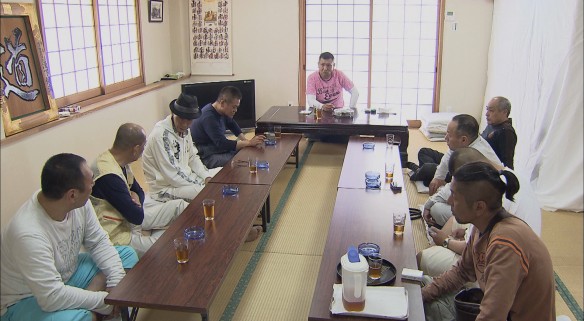
Yakuza and Constitution
DOCUMENTARY
2016
96 mins Episode(s): 1
english
English


Since the enactment of the Anti-Boryokudan Act and Yakuza exclusion ordinances, the number of Yakuza members has reduced to less than 60,000. In the past 3 years, about 20,000 members have left Yakuza organizations. However, the numbers alone does not explain the reality. What are they thinking? How are they living now? Our camera follows “Azuma-gumi Ⅱ, Seiyu-kaiⅡ”, a designated Boryokudan in Osaka. The murder case where the boss was sentenced to 15 years in prison is said to have triggered the enactment of the Anti-Boryokudan Act. The boss started by saying “Human rights of Yakuza and their families are being increasingly abused”. Yakuza and Constitution…. Let us take a close look into the lives of the Yakuza today.
Click here to preview this program!
Customers who watch this video also watch
-
Ofune Festival -Parishioners Who Support the Festivals-
2017 30 mins[Festivals of Japan Season 1] The Ofune Festival is held at the Suwa Taisha (Suwa Grand Shrine) in Nagano Prefecture every fall. During the Senzasai in spring, the sacred dolls of the old man and woman are carried from the Fall Shrine to the Spring Shrine. However, in the Ofune...more details -
The Thousand Cherry Blossom Trees of Eboshiyama Park
2017 30 mins[Festivals of Japan Season 1] Akayu Hot Spring in Yamagata Prefecture lost much of its bustling energy due to large fires that occurred in the late 1800s. Wishing for the recovery of their city, local volunteers created Eboshiyama Park. Later, as vitality slowly began to return to the city through...more details -
Ogaki Festival seen through the viewfinder of Irene- Ogaki, Gifu Prefecture
30 mins[Beauty of Japan Season 2] The Ogaki Festival is held in the samurai town of Ogaki and has a long history that dates back to the Edo period. Thirteen floats are paraded across town during the festival and are considered moving pieces of art. Decorated with minuscule carvings, gorgeous embroidered...more details -
Just an Ordinary Family: 22 years of a married couple with disabilities
 2014 ABU Prizes 2015 TV Winner for Documentary Coverage that follows a severely disabled married couple from their marriage, giving birth, and raising their children, for 22 years. Both Mr. and Mrs. Akimoto have cerebral palsy. They got married in 1992 as they sought independence from their parents. Before long, the...more details