FOOD
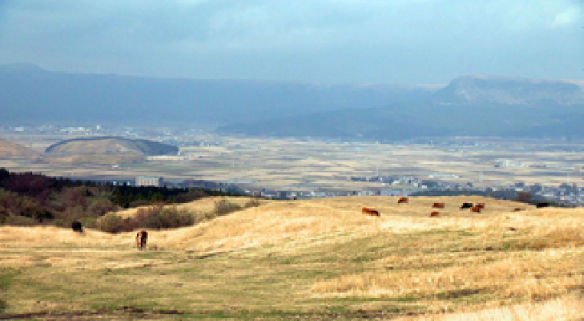
'Akagyu Beef' from Aso
Aso city, Kumamoto Pref.
FOOD
2015
30 minutes Episode(s): 1
english
Japanese


[Food of Japan Season 1]
One of Kumamoto's main productions is 'Akagyu beef' from Aso city, where cattle are raised in the beautiful prairies at Mt. Aso's foot. Not many people know this, but to maintain Aso's wonderful landscape, Akagyu cattle are needed there. With the stunning nature of Mt. Aso with its five peaks, the camera is introducing local Italian cuisine using Akagyu beef.
Click here to preview this episode!
Part of the "Food of Japan Series"!
One of Kumamoto's main productions is 'Akagyu beef' from Aso city, where cattle are raised in the beautiful prairies at Mt. Aso's foot. Not many people know this, but to maintain Aso's wonderful landscape, Akagyu cattle are needed there. With the stunning nature of Mt. Aso with its five peaks, the camera is introducing local Italian cuisine using Akagyu beef.
Click here to preview this episode!
Part of the "Food of Japan Series"!
Customers who watch this video also watch
-
Ogaki Festival seen through the viewfinder of Irene- Ogaki, Gifu Prefecture
30 mins[Beauty of Japan Season 2] The Ogaki Festival is held in the samurai town of Ogaki and has a long history that dates back to the Edo period. Thirteen floats are paraded across town during the festival and are considered moving pieces of art. Decorated with minuscule carvings, gorgeous embroidered...more details -
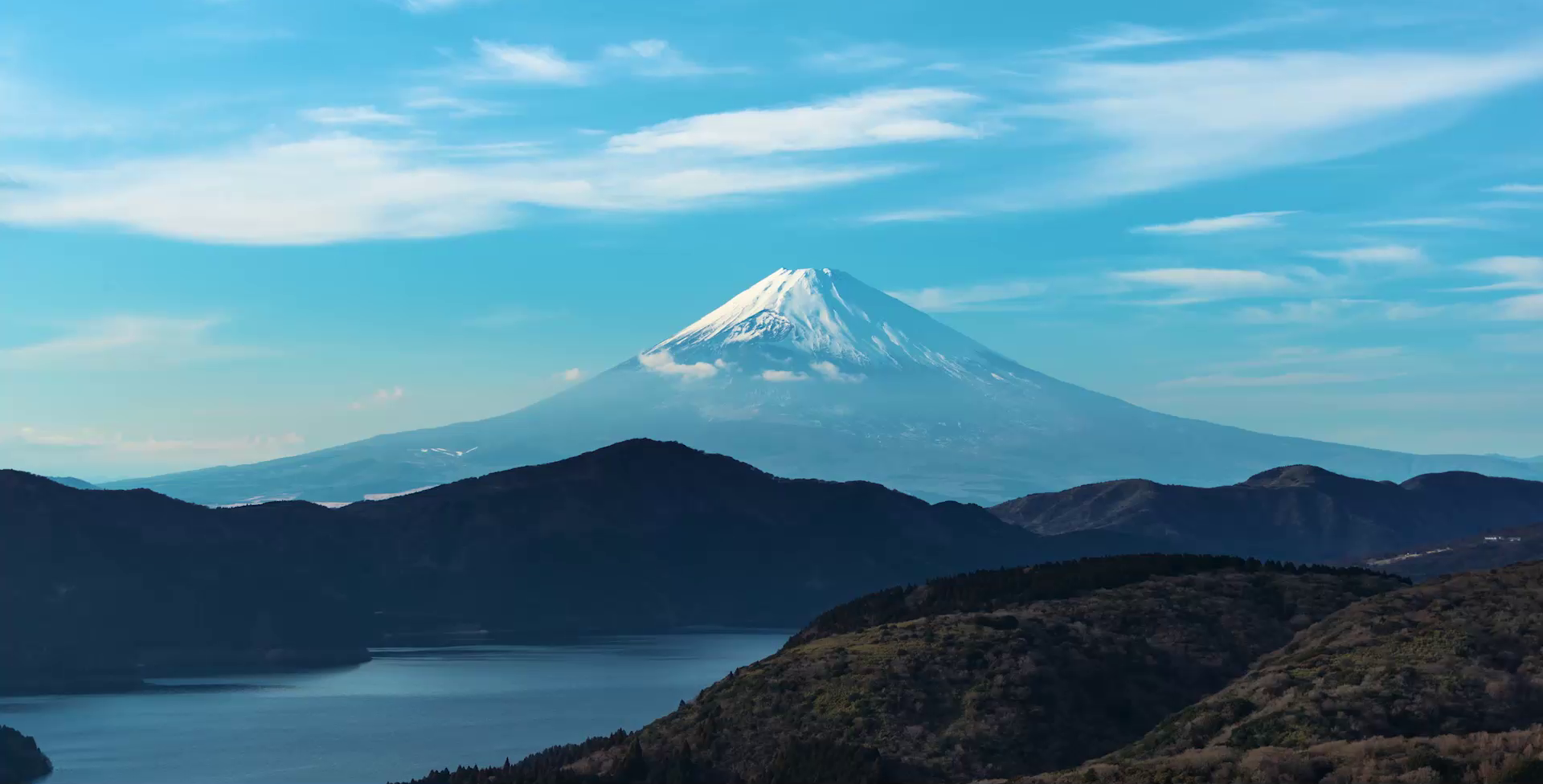
PEACE NIPPON
2018 111 minutesThere are moments of breathtaking beauty that can only be seen once in a lifetime. Providing footage from 47 Prefectures (over 200 locations) in Japan and filmed over eight years, this film captures such moments in 4K. The hope is that this movie will inspire "people to know more about...more details -

Wonderful Dreams in a Monochrome World- Toyama Prefecture
2018 30 mins[Beauty of Japan Season 2] Jack Lee Randall is a shadow artist from the United States. He made the fateful decision to settle down in Toyama Prefecture after visiting there on one of his shows. His shadow performances evoke a sense of nostalgia in his spectators, and are full of...more details -
Traditional Festivals of Japan
2009 55 minsShrines and temples like Ise Jingu Shrine with a history of 2000 years are carefully preserved all over Japan. Traditional cultural festivals are held all over the country that take place in these very special shrines and temples. Five of these famous festivals have been captured on camera and each...more details