FOOD

Katayaki - Ninja Snack for the World
Iga city, Mie Pref.
FOOD
2016
25 minutes Episode(s): 1
english
Japanese


[Food of Japan Season 2]
Iga City, Mie prefecture is traditionally known for Iga Ninja. What kind of food did ninjas eat? Katayaki is a regional snack that is said to come from the food that ninjas used to eat as easy-to-carry snacks. This unique snack was exhibited at the World Expo in Milan, Italy in 2015 and it received positive feedback from visitors around the world. This program explores the flavor of Katayaki and its origin.
Click here to preview this episode!
Part of the "Food of Japan Series 2"!
Iga City, Mie prefecture is traditionally known for Iga Ninja. What kind of food did ninjas eat? Katayaki is a regional snack that is said to come from the food that ninjas used to eat as easy-to-carry snacks. This unique snack was exhibited at the World Expo in Milan, Italy in 2015 and it received positive feedback from visitors around the world. This program explores the flavor of Katayaki and its origin.
Click here to preview this episode!
Part of the "Food of Japan Series 2"!
Customers who watch this video also watch
-
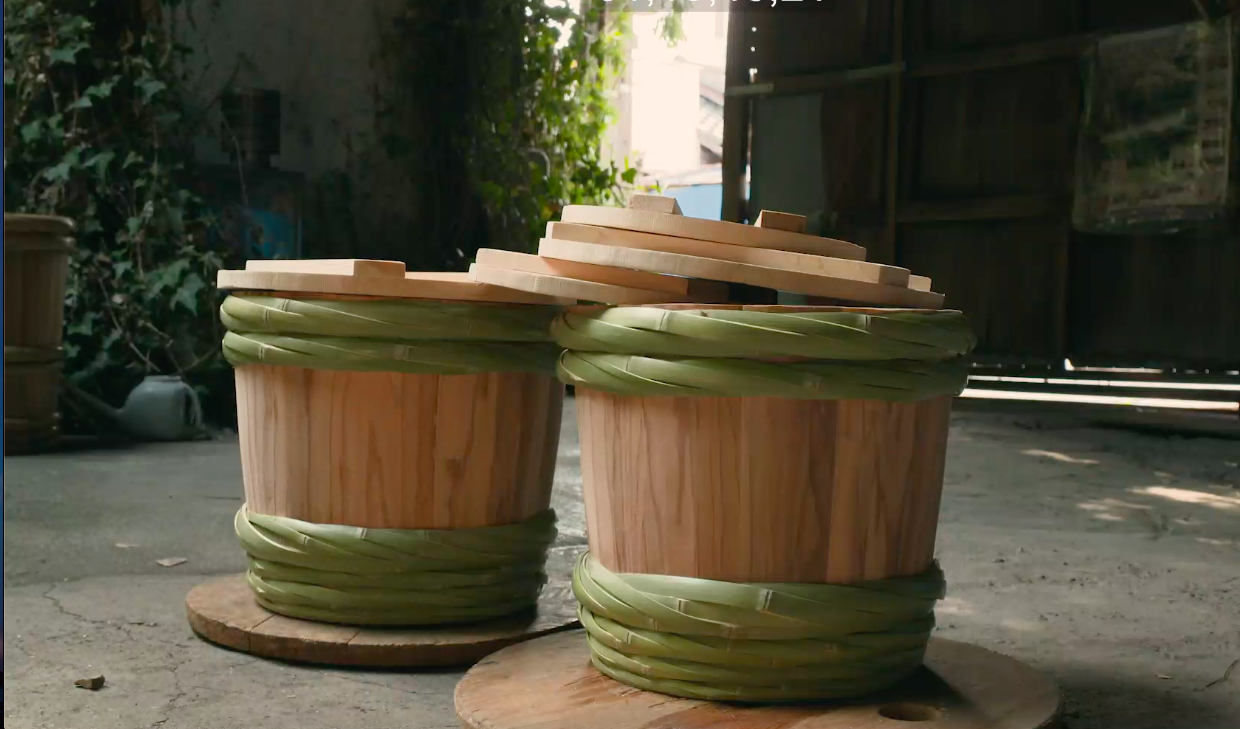
Wooden Barrels of Tochigi -Time Etched by the Color of Old Bamboo (Tochigi Prefecture)
2021 25 minutes[Colors in Japan] Tochigi City has a long history of producing wooden barrels for fermenting food. Despite the rise of plastic containers, one dedicated craftsman continues to make barrels using traditional techniques. The barrels are crafted from cedar heartwood and tied with local timber bamboo. Click here to preview this...more details -
Rene's Swimming Gems: the Nishiki Koi- Nagaoka, Niigata
2019 30 mins[Beauty of Japan Season 2] The Nishiki Koi boasts a beauty that earns it its nickname, "the Swimming Gem". In Nagaoka City in Niigata, many of the koi fish bred there are sold to Western and Asian countries and attract the attention of Japanese koi fish lovers from all over...more details -

Ubasute
 2014 Best Local Production at the 2015 Tokyo Drama Awards. The "yutori" generation of Japan is said to be one of the laziest in society. Being raised in a pressure-free education system, they are often criticized for poor results and lack of drive in the workplace. Touma (Kensuke Owada), at age...more details
 -
Aigi Tunnels: The restoration of an industrial treasure Kasugai city, Aichi Pref.
2014 30mins[Beauty of Japan Season 1] The Aigi Tunnels were constructed for the national railway between Aichi prefecture and Gifu prefecture back in the Meiji period (early 19th Century) and had been abandoned for many years. Those forgotten tunnels have been beautifully restored by supporters and are now designated as part...more details