FOOD

Strawberry Fields
Tochigi city, Tochigi Pref.
FOOD
2015
30 minutes Episode(s): 1
english
Japanese


[Food of Japan Season 1]
Tochigi is famous for having the largest production of strawberries in Japan for 47 consecutive years. Discovering how the best seller "Tochi Otome" and the new "Sky Berry" were developed, the camera follows its researchers and how they established the production processes to produce those sweet strawberries.
Click here to preview this episode!
Part of the "Food of Japan Series"!
Tochigi is famous for having the largest production of strawberries in Japan for 47 consecutive years. Discovering how the best seller "Tochi Otome" and the new "Sky Berry" were developed, the camera follows its researchers and how they established the production processes to produce those sweet strawberries.
Click here to preview this episode!
Part of the "Food of Japan Series"!
Customers who watch this video also watch
-

Nebuta Festival -Nebuta Master Creator's 365 days-
2018 30 mins[Festivals of Japan Season 2] Every year between August 2nd and 7th, the dynamic Nebuta floats of Aomori Prefecture are paraded around the city at night, providing a colorful and exciting summer spectacle for all to enjoy. The city's pride, the Aomori Nebuta Festival, was recognized as an Important Intangible...more details -

Festivals of Japan Series- Season 2
2018 30 minsThis is the second season of the Festivals of Japan Series, which introduces various festivals around Japan. In this season, we will explore the festivals themselves, their histories, and the people responsible for preserving, cherishing, and passing on their traditions. From ancient processions, giant paper floats, fire festivals, and even...more details -

Hikiyama Children's Kabuki -Cultured Entertainment for Common Folk-
2017 30 mins[Festivals of Japan Season 1] The Hikiyama Children's Kabuki in Komatsu City, Ishikawa Prefecture, has a history of over 250 years. However, with the recent decline in birthrates and an increasing aging population, its survival has been put under threat. Amidst this problem, the children of Komatsu City try their...more details -
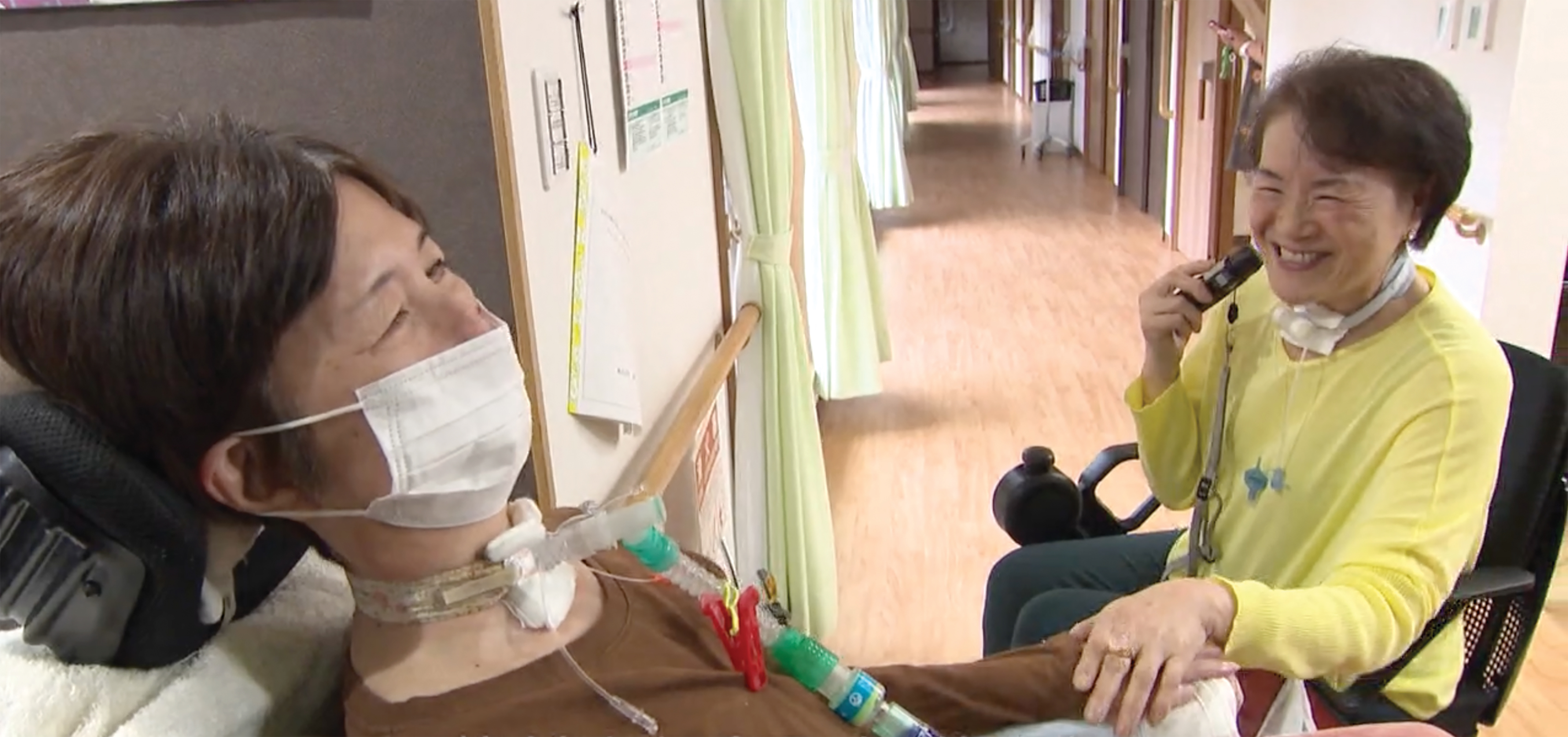
Live Life Laughing - A Place with Purpose -
 2025 2026 New York Festivals Finalist Care Support Shiho was founded in 2021 by Shioko Se, who lives with ALS. As a resident herself, Shioko established the group home to provide a high level of medical care and a comfortable living environment with 24-hour support. She is deeply involved in the...more details