FOOD
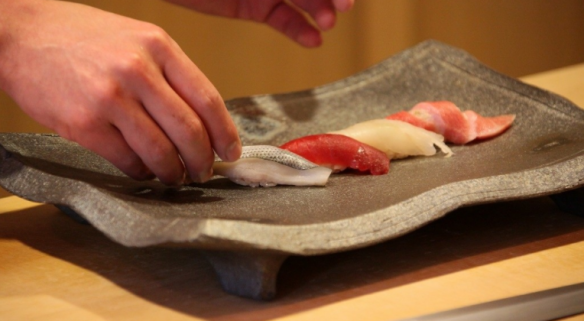
Beauty of 'Edomae' Sushi
Fukagawa, Tokyo
FOOD
2016
25 minutes Episode(s): 1
english
Japanese


[Food of Japan Season 2]
Sushi was first made in Edo (Tokyo's old name) as regional food. It spread across the country and became one of Japan's most famous foods. Fresh fish for Edomae sushi can be prepared by marinating it in marinated in vinegar or soya sauce, or cooked in sauce and served cold, folded over vinegared rice. This documentary follows the art of Edomae sushi and the techniques used in sushi making process.
Click here to preview this episode!
Part of the "Food of Japan Series 2"!
Sushi was first made in Edo (Tokyo's old name) as regional food. It spread across the country and became one of Japan's most famous foods. Fresh fish for Edomae sushi can be prepared by marinating it in marinated in vinegar or soya sauce, or cooked in sauce and served cold, folded over vinegared rice. This documentary follows the art of Edomae sushi and the techniques used in sushi making process.
Click here to preview this episode!
Part of the "Food of Japan Series 2"!
Customers who watch this video also watch
-
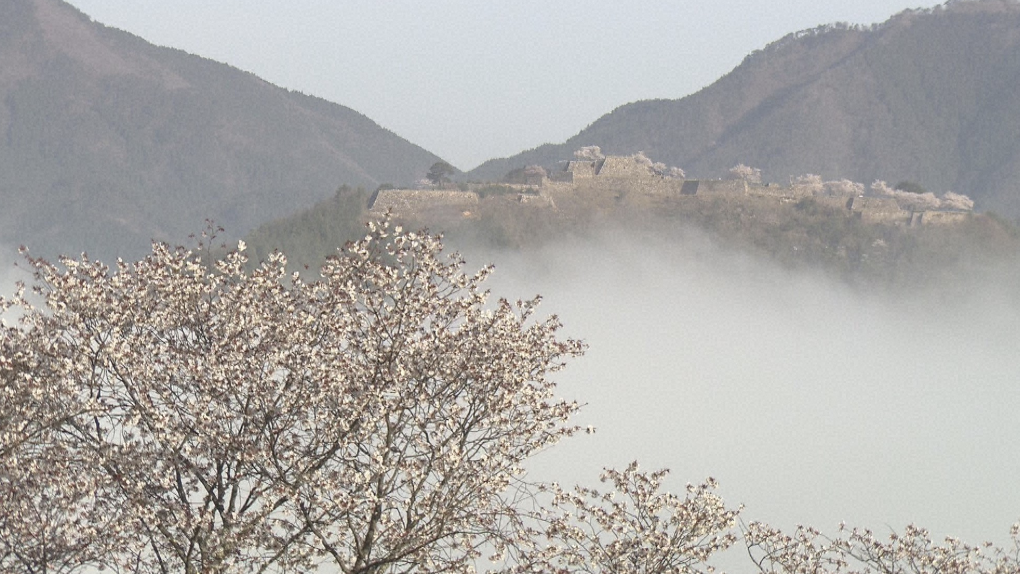
Castle in the Sky and Granddaddy's Cherry Tree
2021 60 minutesThe Takeda Castle ruins in Asago City are known as the “Castle in the Sky” as they are located on a mountain top and look to be floating in the sky. Wild cherry trees growing on the mountain slope are another symbol of the city. The trees, preserved over generations,...more details -

Valens's Return Home - A Rwandan Genocide Offender, 22 Years On
2017 49minIn 1994, the conflict between the Tutsi and Hutu lead to the Rwandan genocide where more than 800,000 people were killed. Now in Rwanda, a country with no capital punishment, offenders that were involved in the genocide have been released one after another after their sentences. Can they coexist with...more details -
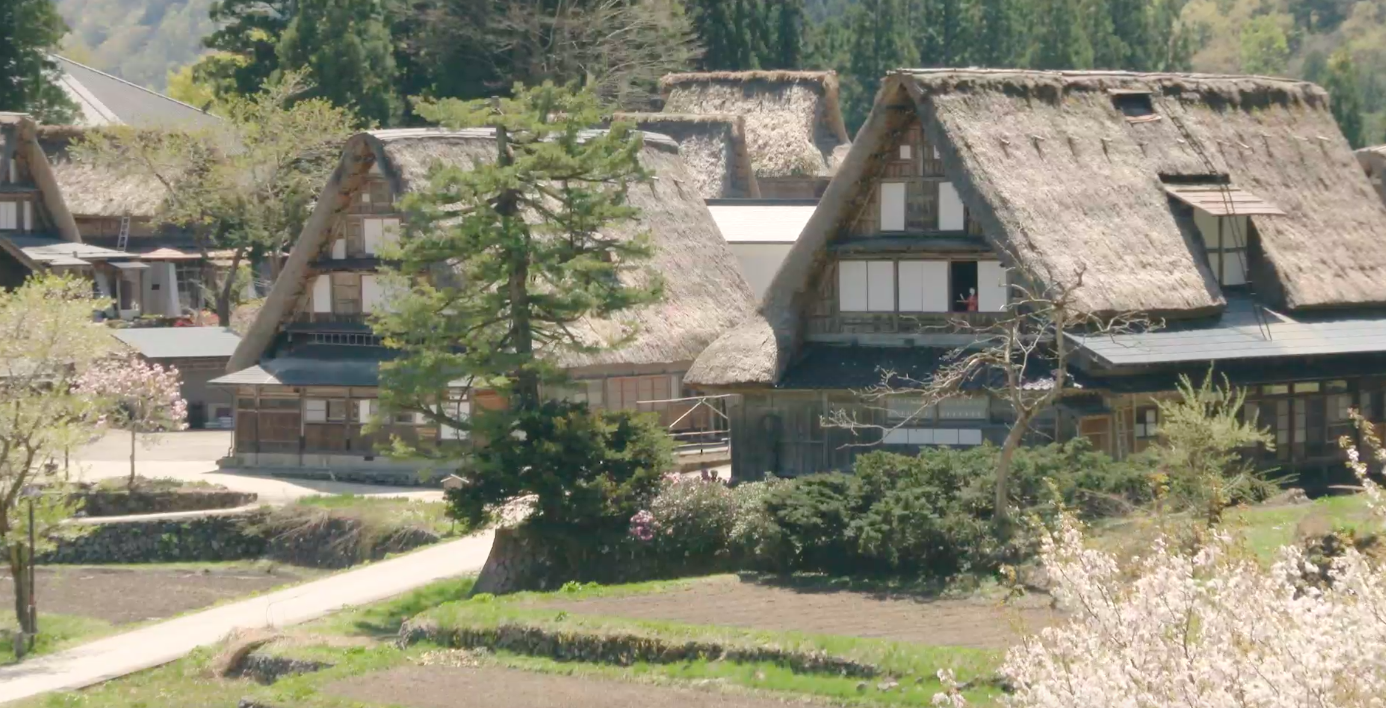
Life in the World Heritage site Gokayamaduring the Winter (Toyama Prefecture)
2021 25 minutes[Colors in Japan] Ainokura Gassho-zukuri is a World Heritage site in Toyama Prefecture's Gokayama region, known for its heavy snowfall. To endure these harsh winters, the village's people have preserved traditional wisdom and techniques, reflected in their unique thatched-roof houses. Click here to preview the program! Part of the "Colors...more details -
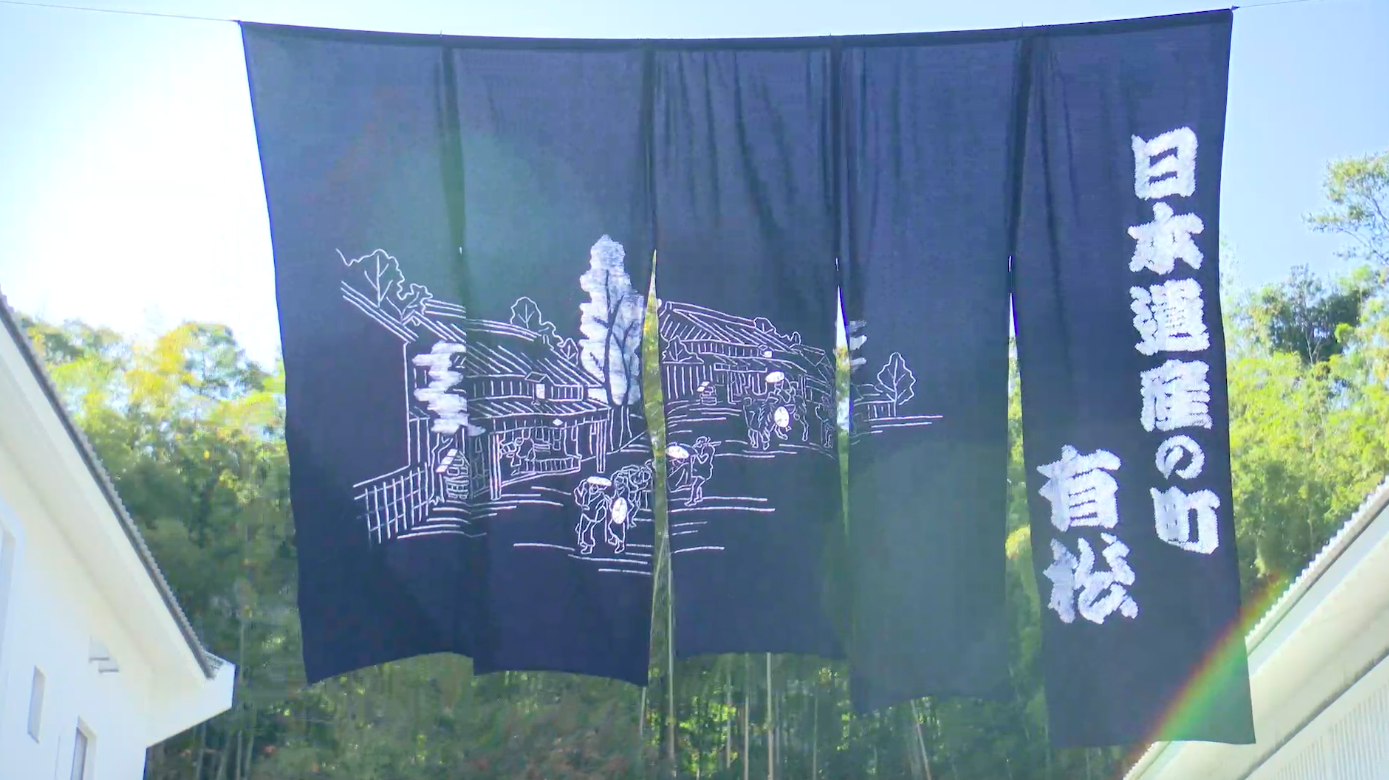
Narumi Shibori of Arimatsu-The Town Where Ai Sways in the Breeze (Aichi Prefecture)
2021 25 minutes[Colors in Japan] The town of Arimatsuis renowned for its tie-dyed "noren" store curtains, crafted using traditional shibori techniques. We explore the passion and dedication of local artisans who continue to practice and innovate in the field of shibori. Click here to preview this episode! Part of the "Colors in...more details