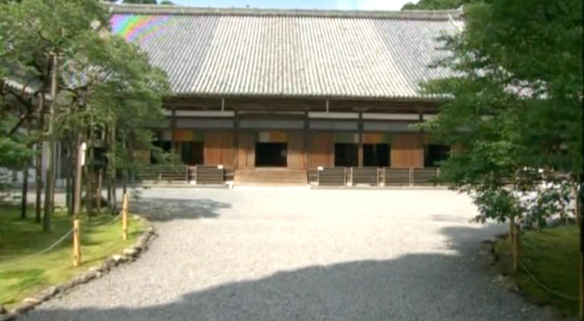
Zuigan-ji (2016)

Majestic Zuigan-ji Temple in northeast Japan is a national cultural treasure. Completed 400 years ago by the feudal lord of the region, Date Masamune, it’s famous as a lavish and glorious example of the culture of the Azuchi-Momoyama period (mid-1500s to 1600). The main hall is decorated with beautiful period-style art created by painters and master craftsmen summoned from Kyoto. With ground subsidence now causing its pillars to tilt, Zuigan-ji has been undergoing comprehensive repairs and restorations since 2009, called "the great Heisei restoration." An essential consideration when repairing Japanese cultural properties is that old and weathered parts must not be replaced and existing original materials must be reused to the greatest possible extent. The restoration's greatest challenge was to reinforce the structure to protect against earthquakes. This program follows the Japanese engineers and craftsmen, striving to clear the hurdle with their conviction and ideas, to preserve the national treasure.
Click here to preview this program!-
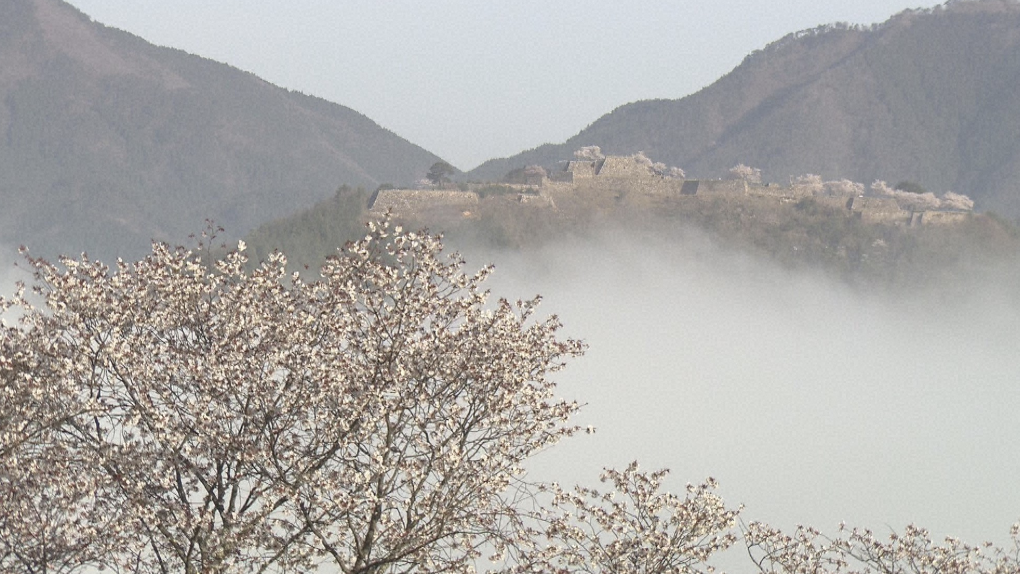
Castle in the Sky and Granddaddy's Cherry Tree
2021 60 minutesThe Takeda Castle ruins in Asago City are known as the “Castle in the Sky” as they are located on a mountain top and look to be floating in the sky. Wild cherry trees growing on the mountain slope are another symbol of the city. The trees, preserved over generations,...more details -
Nippon-ga -Taro Yamamoto x Akita Maiko-
2015 30 mins[Craft Masters of Japan] Taro Yamamoto is a professor at the Akita University of Art, but also a young painter who uses traditional Japanese techniques to create paintings with a ‘modern’ and humorous twist to them. This new art style is called ‘Nippon-ga’, and has currently been attracting a lot...more details -
Arita Ware Reborn -Beyond the Tradition of 400 years -
2018 25 minutesThe first porcelain in Japan was made in Arita-cho 400 years ago. The porcelain was named "Aritayaki". In the late 17th century Arita ware was exported to Europe, and its technicality and beauty were appreciated. The process goes through different phases such as molding the clay and coloring it. the...more details -
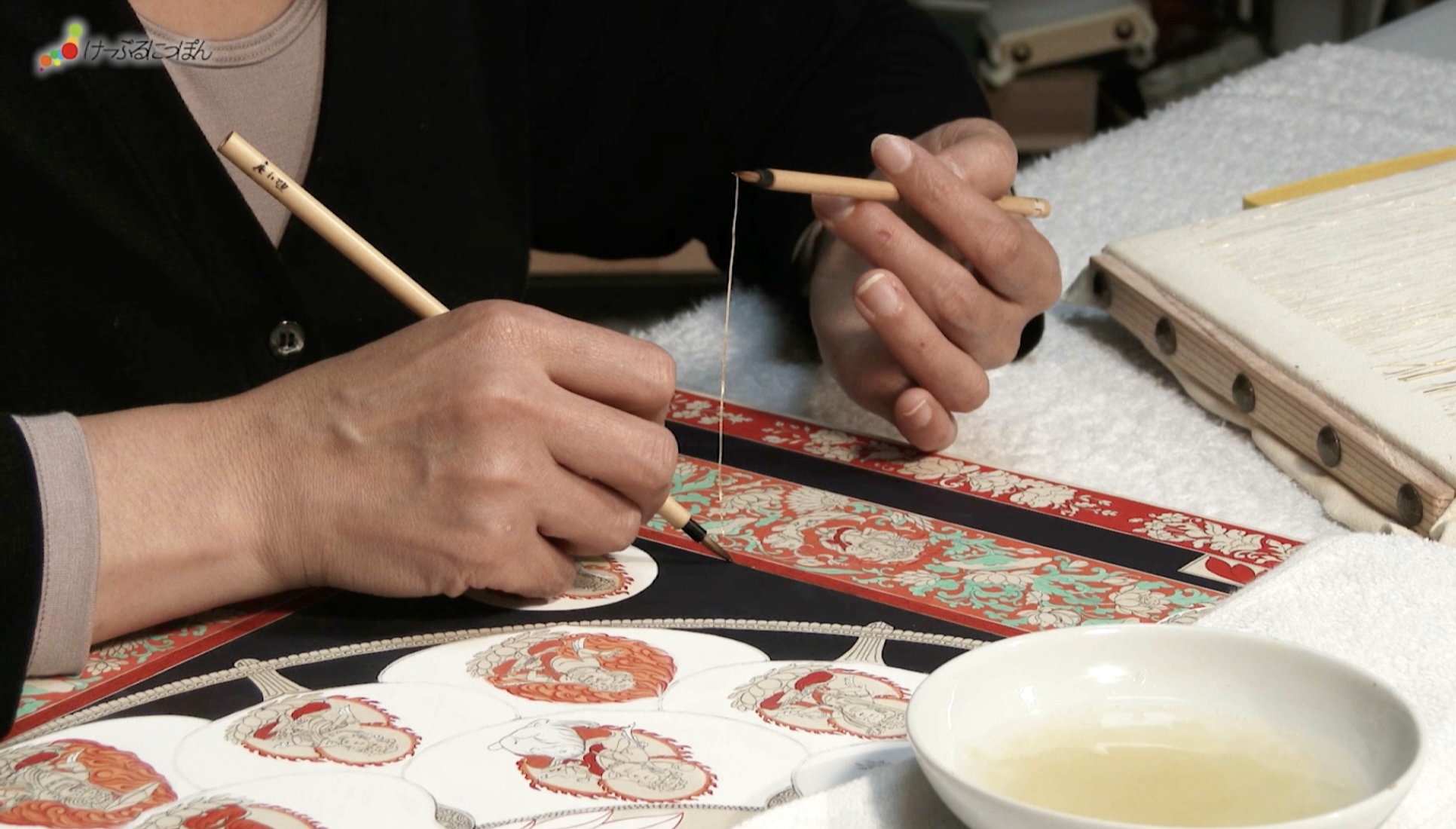
Kirikane Buddhist paintings Miura city, Kanagawa Pref.
2014 30mins[Beauty of Japan Season 1] Kirikane is a decorative technique used for Buddhist statues and paintings. It requires high skills of cutting layers of gold leaves as thin as a hair, and placing them delicately onto Buddhist statues or paintings to create motifs. Chika Hasegawa is a young artist in...more details