DOCUMENTARY
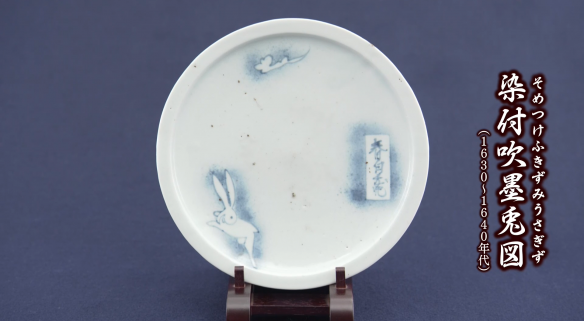
Arita Ware Reborn -Beyond the Tradition of 400 years -
DOCUMENTARY
2018
25 minutes Episode(s): 1
english
English


The first porcelain in Japan was made in Arita-cho 400 years ago. The porcelain was named "Aritayaki". In the late 17th century Arita ware was exported to Europe, and its technicality and beauty were appreciated. The process goes through different phases such as molding the clay and coloring it. the final step is to burn it at a high temperature. The way the Arita ware has been created has not changed during the last 400 years. Enjoy the history and craftsman technique in high definition.
Enjoy this program in 4K and 8K.
Customers who watch this video also watch
-

Trap Master Kunio Katagiri and His Secrets to the Finest Gibier
 2018 Kunio Katagiri is a master trapper and has been the legendary owner-chef of a gibier (wild game) restaurant for 45 years. Katagiri, who hunts all of his game meats by himself, never uses a gun. Instead, he uses homemade traps of his own design to capture wild deer and wild...more details
 -
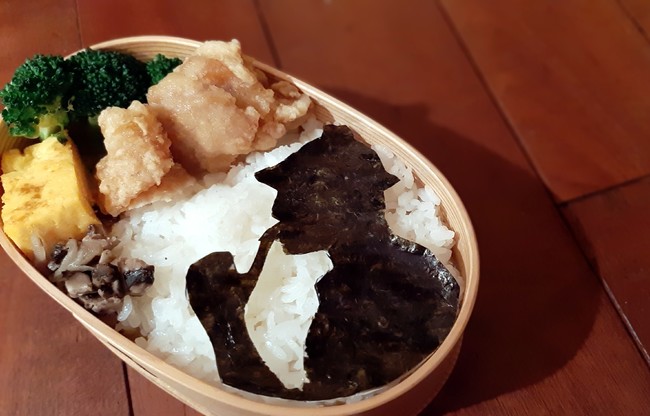
The Detective's Bento
2022 12 minsGendoji Daigo is a private detective with two passions: mysteries and food. Due to a personal quirk, he never eats food made by others, instead bringing his own elaborate bento to every case- each inspired by dishes from classic mystery novels and famous detectives like Sherlock Holmes. Nicknamed “The Bento...more details -

The life in Kita-Shinano, Nagano Prefecture
30 mins[Beauty of Japan Season 2] Kita-Shinano district in Nagano Prefecture is famous for its beautiful nature and four seasons. The district is home to many non-Japanese residents from all over the world. This documentary follows the lives of such foreign residents and details what they believe is the true beauty...more details -
Art and excellence of Craftsmanships Katsushika, Tokyo
2015 30mins[Beauty of Japan Season 1] Katsushika ward in downtown Tokyo is one of a few cities where many craftsmen known as “Shokunins” still exist. Many of them work with skills used since the Edo or Meiji periods (late 19th century). The traditional crafts that they create through careful study of...more details