TRAVEL
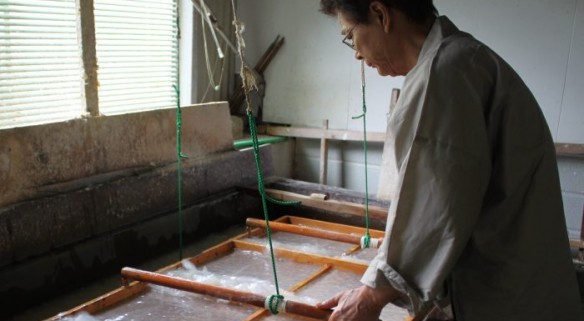
Traditional Paper "Senkashi" -The 400-year-old custom-
TRAVEL
2015
30 mins Episode(s): 1
english
Japanese


[Craft Masters of Japan]
The "Senkashi" washi paper is one of Japan's Intangible Cultural Treasures. Dating back to the Edo Period, its technique has been passed down for over 400 years. We take a look at Takashi Kikuchi, who is a washi maker specializing in this unique and historically rich sheet of paper. In this episode, we will focus on Kikuchi and his craft, while also revealing his hopes, fears, and feelings of devotion towards his much-loved and much-respected craft.
Click here to preview this episode!
Part of the "Craft Masters of Japan Series"!
The "Senkashi" washi paper is one of Japan's Intangible Cultural Treasures. Dating back to the Edo Period, its technique has been passed down for over 400 years. We take a look at Takashi Kikuchi, who is a washi maker specializing in this unique and historically rich sheet of paper. In this episode, we will focus on Kikuchi and his craft, while also revealing his hopes, fears, and feelings of devotion towards his much-loved and much-respected craft.
Click here to preview this episode!
Part of the "Craft Masters of Japan Series"!
Customers who watch this video also watch
-

At Home with Venetia in Kyoto
2019 30 minsVenetia Stanley-Smith has lived in the Ohara district of Kyoto for almost 20 years. She is a firm believer in living in accordance with nature, and utilizes its gifts in all aspects of daily living. Venetia’s garden is filled with over 100 varieties of seasonal herbs. She uses them in...more details -

Professor in a Spiritual City- Ise City, Mie Prefecture
30 mins[Beauty of Japan Season 2] The Kogakkan University, located in the holy city of Ise, offers programmes which teach students Japanese traditions and history based on Shintoism. This is where Christopher, an American Professor, gives his lectures. What are the main ideas he wants to teach students studying in this...more details -
Oshima and Jacques the Baker- Niihama, Ehime Prefecture
30 mins[Beauty of Japan Season 2] Oshima is a small island on the Seto Inland Sea with a population of just 250 people. Swiss native, Jacques moved to the peaceful island with his wife Etsuko. He runs a small bakery and a farm on this remote island, enjoying a peaceful and...more details -
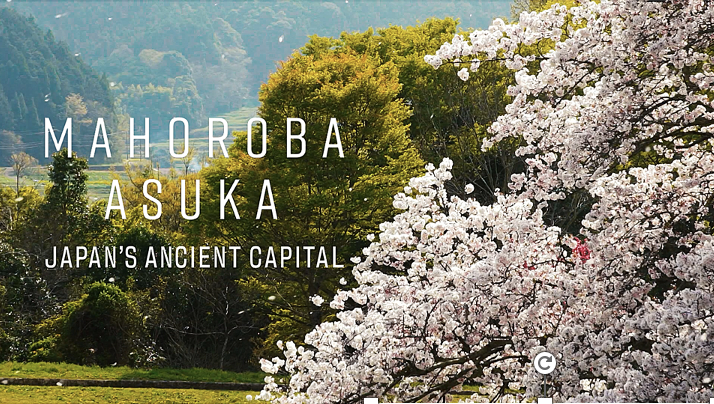
MAHOROBA ASUKA - Japan's Ancient Capital -
2023 52 minutesJapan’s capital 1400 years ago, Asuka is one of its oldest villages and a symbol of its intrinsic beauty. In recognition of its special history, a law was established to preserve the natural environment of the village. This documentary, filmed over the span of a year, captures Asuka’s beauty in...more details