TRAVEL

The life in Kita-Shinano, Nagano Prefecture
TRAVEL
30 mins Episode(s): 1
none: None
Japanese

[Beauty of Japan Season 2]
Kita-Shinano district in Nagano Prefecture is famous for its beautiful nature and four seasons. The district is home to many non-Japanese residents from all over the world. This documentary follows the lives of such foreign residents and details what they believe is the true beauty of Japan. Get ready to fall in love with the glorious landscape of Kita-Shinano, its regional arts, cultures, and traditional local dishes!
Part of "Beauty of Japan- Season 2"!
Customers who watch this video also watch
-

Toriou Festival -Fierce and Fiery Festival Fight-
2018 30 mins[Festivals of Japan Season 2] The "Toriou Festival" of Imari City, Saga Prefecture dates back to the mid-to-late 14th century. It is said to have originated from the defeat of warrior Kikuchi Takeshige against Ashikaga. Fleeing to the Ozato Region, Takeshige trained to withstand fire, originating this fiery and dangerous...more details -

Ornamental Silk Apron for Sumo Wrestlers -Oozumo Kensho-Mawashi-
2015 30 mins[Craft Masters of Japan] Hirokuni Ohno is one of the very few Hakata textile weavers left in the world and has a workshop in Kokura Town in Kitakyushu City. He creates ornamental silk aprons for Sumo wrestlers to wear in the ring. The apron is approximately 70 centimeters wide and...more details -
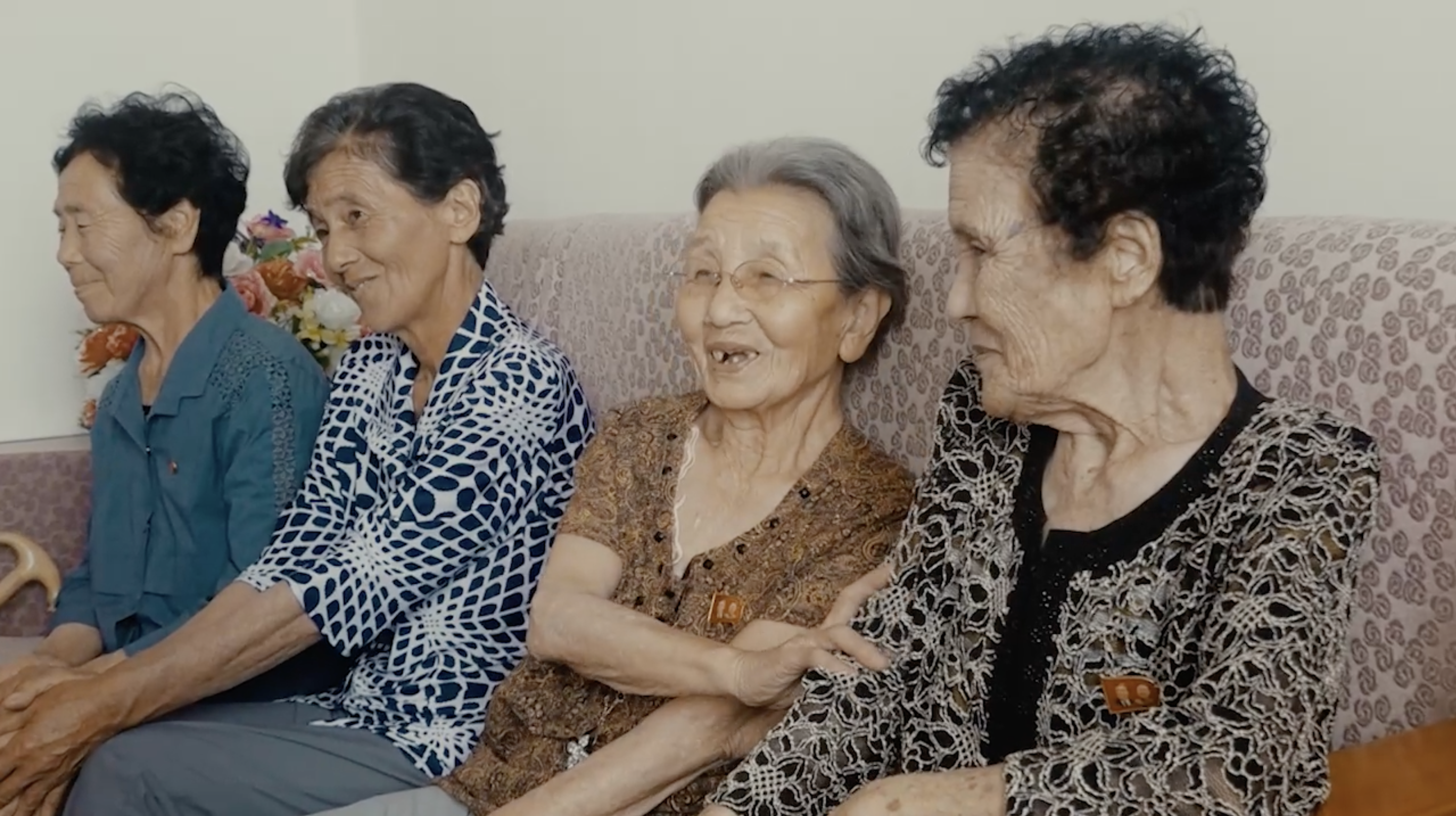
I'm Taking a Little Trip to North Korea
 2023 2023 World Media Festivals Gold 2023 New York International Film Festival Silver 2023 US International Awards Silver The Repatriation Project saw nearly 93,000 people migrate from Japan to North Korea between 1959 and 1984. While the project was mainly aimed at native-born Koreans looking to return to their homeland, approximately...more details
-
Sendai Tansu (Sendai furniture) -Harmony of three skills-
2015 30 mins[Craft Masters of Japan] The Sendai Tansu furniture was created around the end of Edo period (mid-19th century). Its fabrication process is based on 3 traditional techniques which were all inherited from the Edo period; ‘Sashimono (furnishing)’, ‘Urushi lacquer’, and ‘metal fitting’. Nowadays, the tradition is well harmonized with a...more details