DOCUMENTARY
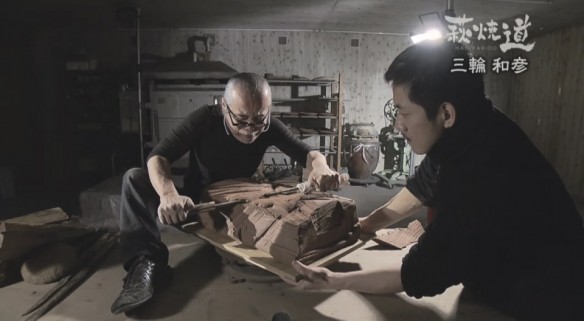
Hagi Ware
DOCUMENTARY
2019
4 minutes Episode(s): 7
english
Japanese

Hagi Ware was created at the end of the 16th century as a gift for the Emperor of Japan. Along with Raku Ware and Karatsu Ware, it is one of the big three traditional earthenware products produced in Japan. Recently, the process of creating Hagi Ware has taken on a new meaning for some potters who strive to melt tradition and modern art together. Watch as the new branch of potters talk about their craft and how their work manages to delicately balance the physical and spiritual into one.
From Japan to the world. They aim to pique global interest and shine a spotlight to this wonderful, ancient artform!
Click here to preview this program!
From Japan to the world. They aim to pique global interest and shine a spotlight to this wonderful, ancient artform!
Click here to preview this program!
Customers who watch this video also watch
-

Ms. Chii’s Little Band: Bringing Songs and Smiles to the Children of Cambodia
 2012 2013 New York Festivals Silver Award. In this program, a female teacher from Hokkaido travels to Cambodia alone to teach music at the country’s largest elementary school in Siem Reap. She reveals the struggles she encounters in her efforts to help her students. Chigusa Tanaka (33) is a volunteer for...more details
 -
Art and excellence of Craftsmanships Katsushika, Tokyo
2015 30mins[Beauty of Japan Season 1] Katsushika ward in downtown Tokyo is one of a few cities where many craftsmen known as “Shokunins” still exist. Many of them work with skills used since the Edo or Meiji periods (late 19th century). The traditional crafts that they create through careful study of...more details -
Ofune Festival -Parishioners Who Support the Festivals-
2017 30 mins[Festivals of Japan Season 1] The Ofune Festival is held at the Suwa Taisha (Suwa Grand Shrine) in Nagano Prefecture every fall. During the Senzasai in spring, the sacred dolls of the old man and woman are carried from the Fall Shrine to the Spring Shrine. However, in the Ofune...more details -
Dad's War
2016 47min“Warship-Musashi” is a nonfiction novel that was written based on many testimonies from those involved in the construction as well as those who survived the sinking of Musashi. One of the witnesses is Haruo Nomura. He is my dad. We knew very little about him. Born in 1921, he graduated...more details