TRAVEL

TASTE JAPAN
TRAVEL
2019
30 mins Episode(s): 3
japanese
Chinese

Watch as popular Taiwanese actor Figaro visits Aomori Prefecture and encounters the many delicious food products the prefecture has to offer. Along the way, he will draw inspiration from the local cuisine he tastes to create original recipes of his own. Throughout his trip, Figaro is touched by the heartfelt diligence of the local farmers and food producers who wish for many people to enjoy eating their "safe and delicious food products".
With his knowledge of Chinese food and his new-found love and respect for the products of Aomori, what kind of exciting cross-cultural dish will he cook up?
Click here to preview the program!
Click here to preview the program!
Customers who watch this video also watch
-

On-chan Season 1
 2008 Shanghai TV Festival International Animation Nominated, 2008 New York Festival Finalist, 2009 Banff World TV Festival Nominated, 2009 On-chan is an educational animation program for young children. The episodes are filled with laughter and lessons for young viewers as well as a variety of very loveable characters. See how On-chan...more details
 -

Hikiyama Children's Kabuki -Cultured Entertainment for Common Folk-
2017 30 mins[Festivals of Japan Season 1] The Hikiyama Children's Kabuki in Komatsu City, Ishikawa Prefecture, has a history of over 250 years. However, with the recent decline in birthrates and an increasing aging population, its survival has been put under threat. Amidst this problem, the children of Komatsu City try their...more details -
Onyudo -Japan's Largest Mechanical Doll-
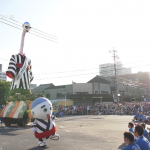
2017 30 mins[Festivals of Japan Season 1] The "Onyudo", the largest mechanical doll in Japan, is the symbol of Yokkaichi City in Mie Prefecture. Every year at the Yokkaichi Festival in August, the Onyudo entertains many people with its humorous and silly movements. Placed on a large float, its gigantic body sways...more details -
The World of Automata -Laughter x Automata x Challenge-
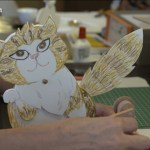
2015 30 mins[Craft Masters of Japan] Automata are Western mechanical dolls. Kazuaki Harada is one of the very few automata artisans living in Japan. However, he has been gathering steady attention and fame worldwide with his unique creations. Harada's automata are very comical and alluring and manage to make people laugh and...more details