TRAVEL
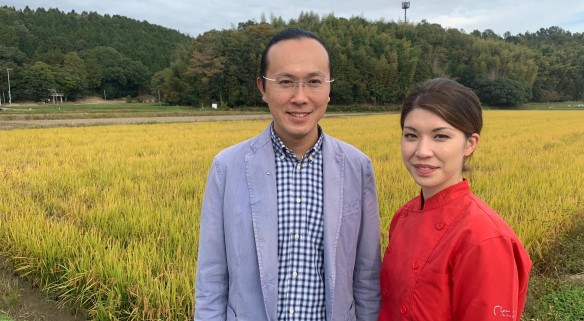
Rice Pasta that Makes the World Smile- Himeji, Hyogo Prefecture
TRAVEL
2019
30 mins Episode(s): 1
none: None
Japanese


[Beauty of Japan Season 2]
Claudia was born in Florence, Italy, and currently runs a restaurant called “Pasta Sorriso” with her husband in Himeji, Hyogo Prefecture. In Italian, sorriso means “smile” and riso means “rice”. So “Pasta Sorriso” can be interpreted to mean “Rice Pasta that Makes the World Smile”. We take a look at how the rice from Himeji and the pasta-making skills from Florence merge to create a wonderful pasta that makes everyone smile!
Part of "Beauty of Japan- Season 2"!
Claudia was born in Florence, Italy, and currently runs a restaurant called “Pasta Sorriso” with her husband in Himeji, Hyogo Prefecture. In Italian, sorriso means “smile” and riso means “rice”. So “Pasta Sorriso” can be interpreted to mean “Rice Pasta that Makes the World Smile”. We take a look at how the rice from Himeji and the pasta-making skills from Florence merge to create a wonderful pasta that makes everyone smile!
Part of "Beauty of Japan- Season 2"!
Customers who watch this video also watch
-
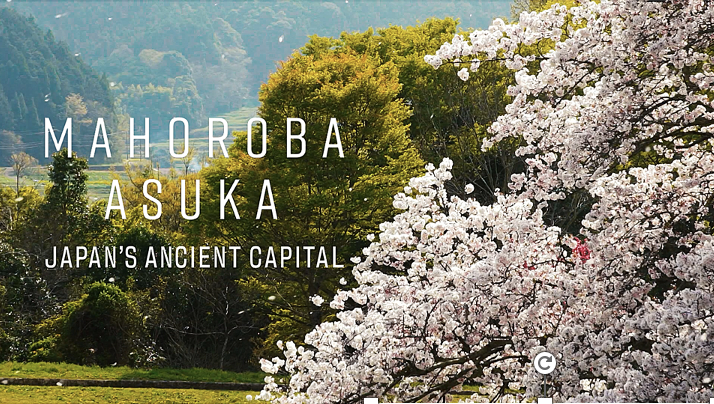
MAHOROBA ASUKA - Japan's Ancient Capital -
2023 52 minutesJapan’s capital 1400 years ago, Asuka is one of its oldest villages and a symbol of its intrinsic beauty. In recognition of its special history, a law was established to preserve the natural environment of the village. This documentary, filmed over the span of a year, captures Asuka’s beauty in...more details -

Shiretoko Peninsula’s Kingdom of Brown Bears
 2003 “Era of Local” TV Festival 2010 Grand Prize. Shiretoko Peninsula, Japan’s final frontier, is the last kingdom of brown bears where their life in the wild can be observed. Surrounded by the ocean, the Shiretoko Peninsula is densely inhabited by brown bears, which is proof that Shiretoko is blessed with...more details
 -
Himeji Castle: The Secret history Himeji city, Hyogo Pref.
2014 30mins[Beauty of Japan Season 1] The Himeji Castle is regarded as one of the finest castles in Japan thanks to its preserved monumental white tower. Since the ancient times, many mysteries have been secretly passed on over generations. Why has it never been burned down? Why was it never used...more details -
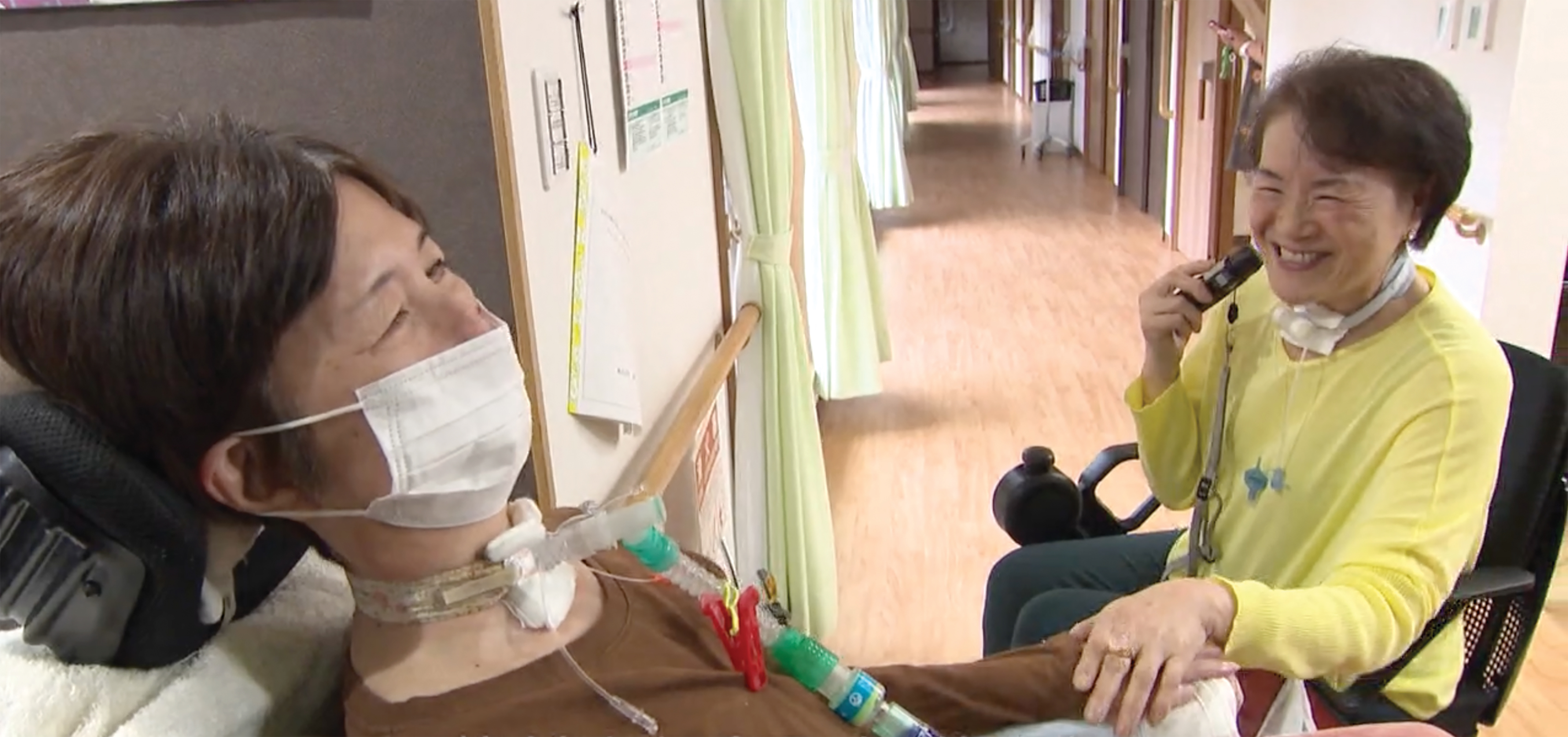
Live Life Laughing - A Place with Purpose -
2025 2026 New York Festivals Finalist Care Support Shiho was founded in 2021 by Shioko Se, who lives with ALS. As a resident herself, Shioko established the group home to provide a high level of medical care and a comfortable living environment with 24-hour support. She is deeply involved in the...more details