DOCUMENTARY
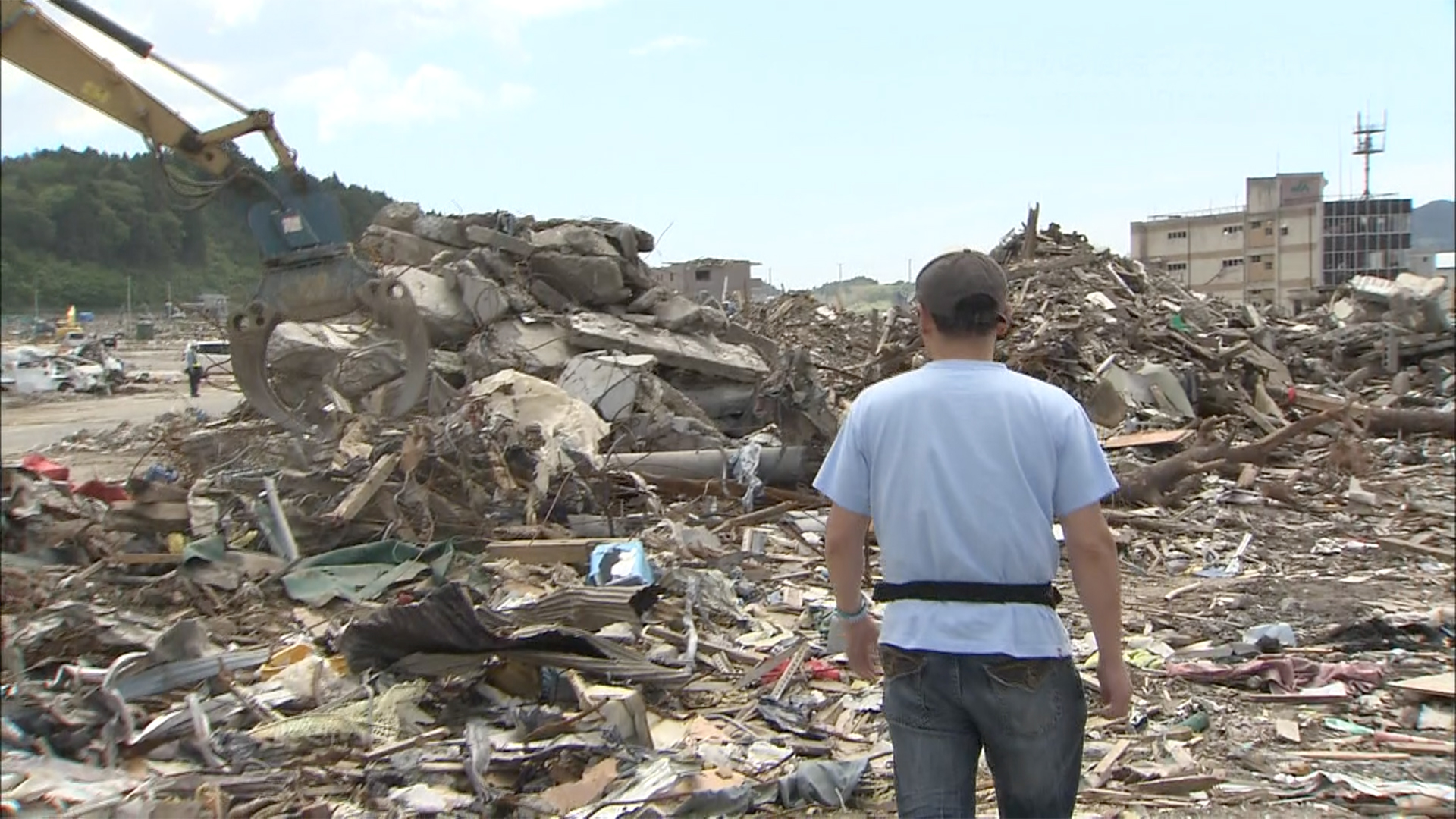
Rikuzentakata City: 10 Years in the Rebuilding of a Town from Zero
DOCUMENTARY
2021
49 mins Episode(s): 1
english
English

The city of Rikuzentakata in Iwate Prefecture had a two-kilometer stretch of shoreline covered with 70,000 pine trees that was ranked among the top 100 landscapes of Japan. On March 11, 2011, the city and shoreline were obliterated by the infamous tsunami which struck that day. This documentary follows the people of Rikuzentakata for 10 years from immediately after the earthquake, and it also highlights the 1.66 billion yen reconstruction project to rebuild the city from scratch 10 meters higher on the original disaster site.
Click here to preview the program!
Click here to preview the program!
Customers who watch this video also watch
-
The Swordsmith -Kunimasa Matsuba to the new frontier-
2015 30 mins[Craft Masters of Japan] Kunimasa Matsuba is a Japanese swordsmith who has received the prestigious excellence award ten times at the exhibition of newly made swords in Japan. His strong, muscular body has undergone years of training in the smothering heat which enables him to create beautiful swords that gleam...more details -

Professor in a Spiritual City- Ise City, Mie Prefecture
30 mins[Beauty of Japan Season 2] The Kogakkan University, located in the holy city of Ise, offers programmes which teach students Japanese traditions and history based on Shintoism. This is where Christopher, an American Professor, gives his lectures. What are the main ideas he wants to teach students studying in this...more details -
Idle Sky Journeys
2018 3 minutes 30 secondsThis short series features drone footage of castles and natural landscapes in Miyagi, while also providing local stories and facts about the scenery. We cover everything from footage of oceans, mountains, and man-made architectural masterpieces, in the attempt to introduce all of Miyagi’s charms!more details -
Himeji Castle: The Secret history Himeji city, Hyogo Pref.
2014 30mins[Beauty of Japan Season 1] The Himeji Castle is regarded as one of the finest castles in Japan thanks to its preserved monumental white tower. Since the ancient times, many mysteries have been secretly passed on over generations. Why has it never been burned down? Why was it never used...more details