TRAVEL
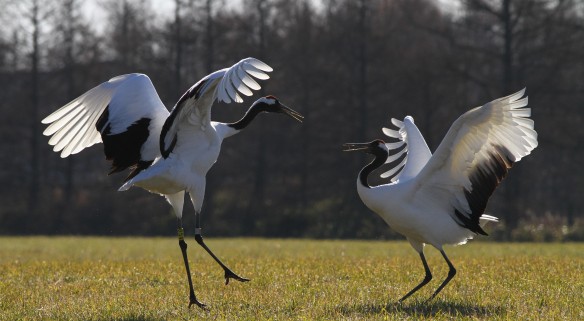
Living together with the God of Wetland: the Red-crowned Crane
Kushiro city, Hokkaido Pref.
TRAVEL
2014
30mins Episode(s): 1
english
Japanese

[Beauty of Japan Season 1]
‘Tanchozuru’, or red-crowned cranes, are designated as a special national monument which are seen in Kushiro wetland.
In the Ainu language, they refer to this elegant and graceful bird as the 'sarurun kamuy' (god of wetland).
The camera follows those working to preserve the environment, and who feed the cranes during the bitter cold winter, and support them in breeding in the spring. These duties have been handed down over generations since the early 19th century.
The program also focuses on the residents who work on their dream to bring the Tanchozuru back to the surrounding area of Sapporo city.
*Part of 'Beauty of Japan' series.
Click here to preview this episode!
‘Tanchozuru’, or red-crowned cranes, are designated as a special national monument which are seen in Kushiro wetland.
In the Ainu language, they refer to this elegant and graceful bird as the 'sarurun kamuy' (god of wetland).
The camera follows those working to preserve the environment, and who feed the cranes during the bitter cold winter, and support them in breeding in the spring. These duties have been handed down over generations since the early 19th century.
The program also focuses on the residents who work on their dream to bring the Tanchozuru back to the surrounding area of Sapporo city.
*Part of 'Beauty of Japan' series.
Click here to preview this episode!
Customers who watch this video also watch
-
Yoga in Nature ~The Ultimate Healing Experience~ - Hachinohe, Aomori Prefecture
2018 30 mins[Beauty of Japan Season 2] Barry Grossman, originally from the United States, has lived in Japan for 27 years. He is a professor at the University of Hachinohe, and is also a yoga instructor. What is the ultimate relaxation experience that Barry talks about? Through following him on his yoga...more details -
Oni-kenbai: Prayer in Motion
2012 30 minsThe Oni-kenbai demon sword dance has been passed down from fathers to sons to grandchildren, with no additions or amendments for generations. Not simply a dance to pray for happiness, it's to ensure the spirits of ancestors of both dancers and viewers are kept alive, while driving away evil. This...more details -
Dad's War
2016 47min“Warship-Musashi” is a nonfiction novel that was written based on many testimonies from those involved in the construction as well as those who survived the sinking of Musashi. One of the witnesses is Haruo Nomura. He is my dad. We knew very little about him. Born in 1921, he graduated...more details -

Light of My Life
 2000 Nominated as one of the Best 8 Dramas in Asia at the International Emmy Awards. Yuko, indecisive about her future, submits a blank report about her college plans. As punishment, she spends summer vacation helping her mother deliver meals to the elderly. She meets Gansan, a stubborn old man whom...more details