FOOD
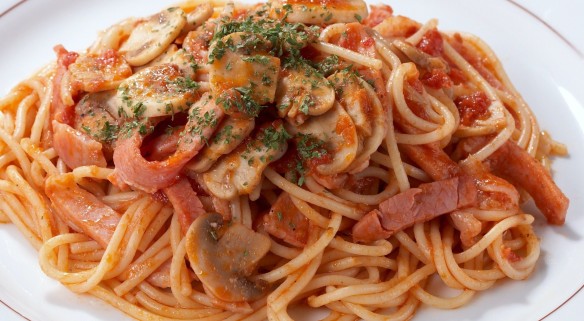
'Yoshoku' Cuisine - The First Western Food
Yokohama city, Kanagawa Pref.
FOOD
2016
25 minutes Episode(s): 1
english
Japanese


[Food of Japan Season 2]
The international port city of Yokohama is where cultures from the West were first allowed to develop in Japan after many years of isolationist policies. Yokohama's 'Hotel New Grand' opened in 1927 and many Yoshoku or Japanese-style western dishes were created there. Yoshoku has changed Japanese culture. The camera focuses on the hotel, which became one of Yokohama's landmarks telling the story of how these dishes were created.
Click here to preview this episode!
Part of the "Food of Japan Series 2"!
The international port city of Yokohama is where cultures from the West were first allowed to develop in Japan after many years of isolationist policies. Yokohama's 'Hotel New Grand' opened in 1927 and many Yoshoku or Japanese-style western dishes were created there. Yoshoku has changed Japanese culture. The camera focuses on the hotel, which became one of Yokohama's landmarks telling the story of how these dishes were created.
Click here to preview this episode!
Part of the "Food of Japan Series 2"!
Customers who watch this video also watch
-
Aigi Tunnels: The restoration of an industrial treasure Kasugai city, Aichi Pref.
2014 30mins[Beauty of Japan Season 1] The Aigi Tunnels were constructed for the national railway between Aichi prefecture and Gifu prefecture back in the Meiji period (early 19th Century) and had been abandoned for many years. Those forgotten tunnels have been beautifully restored by supporters and are now designated as part...more details -
Four Blossoms
 2004 Award of Excellence at the Media Arts Festival. Mizuki’s mother is a widow and raises her three daughters by herself on a flower farm. Following a quarrel with her mother, Mizuki leaves her family and hometown behind. Now working for an employment agency in Tokyo, she is discouraged by her...more details
 -
Tasha Tudor
2017 105 minutesTasha Tudor is one of America’s best author-illustrators of children’s literature. This documentary film features a humorous lifestyle full of flowers, animals, and heart-warming words for the future. The "mother of the slow life" provides you with a key to fully enjoying your life. Click here to preview the program!more details -
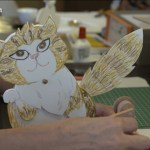
The World of Automata -Laughter x Automata x Challenge-
2015 30 mins[Craft Masters of Japan] Automata are Western mechanical dolls. Kazuaki Harada is one of the very few automata artisans living in Japan. However, he has been gathering steady attention and fame worldwide with his unique creations. Harada's automata are very comical and alluring and manage to make people laugh and...more details