TRAVEL
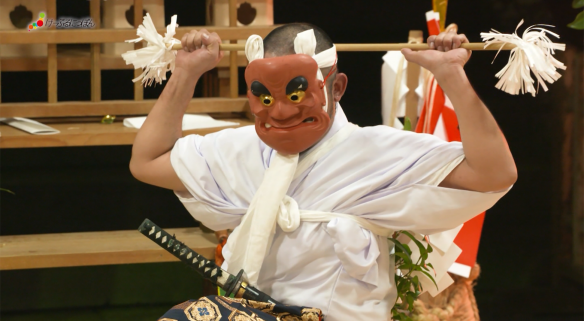
Daidai Kagura -The Ritual Dance of Iki, the Island of the Gods-
TRAVEL
2017
30 mins Episode(s): 1
english
Japanese


[Festivals of Japan Season 1]
Iki Island, in Nagasaki Prefecture, has about 1,000 shrines. The Iki Kagura is an ancient and sacred dance practiced only by Shinto priests and is an Intangible Folk Cultural Property of Japan. The sacred ceremony is carried out with the playing of flute and drum accompanied by dance. Every year on the 20th of December, the longest dance of the Iki Kagura, the Daidai Kagura, is performed at the Sumiyoshi Shrine. This dance lasts over 7 hours and is considered a time of pleasure and celebration for both people and the gods.
Click here to preview the program!
Part of "Festivals of Japan - Season 1"
Iki Island, in Nagasaki Prefecture, has about 1,000 shrines. The Iki Kagura is an ancient and sacred dance practiced only by Shinto priests and is an Intangible Folk Cultural Property of Japan. The sacred ceremony is carried out with the playing of flute and drum accompanied by dance. Every year on the 20th of December, the longest dance of the Iki Kagura, the Daidai Kagura, is performed at the Sumiyoshi Shrine. This dance lasts over 7 hours and is considered a time of pleasure and celebration for both people and the gods.
Click here to preview the program!
Part of "Festivals of Japan - Season 1"
Customers who watch this video also watch
-
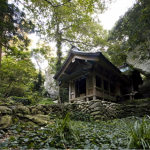
World Heritage OKINOSHIMA
45 minutesThis is a new program about the sacred island of Okinoshima, situated between the Japanese archipelago and the Korean peninsula. It has attracted the devotion of the local population in the Munakata region, who possessed advanced nautical skills. Large-scale rituals utilizing an enormous quantity of precious votive offerings were conducted...more details -

At Home with Venetia in Kyoto
2019 30 minsVenetia Stanley-Smith has lived in the Ohara district of Kyoto for almost 20 years. She is a firm believer in living in accordance with nature, and utilizes its gifts in all aspects of daily living. Venetia’s garden is filled with over 100 varieties of seasonal herbs. She uses them in...more details -
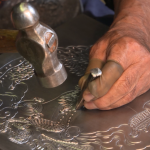
Sendai Tansu (Sendai furniture) -Harmony of three skills-
2015 30 mins[Craft Masters of Japan] The Sendai Tansu furniture was created around the end of Edo period (mid-19th century). Its fabrication process is based on 3 traditional techniques which were all inherited from the Edo period; ‘Sashimono (furnishing)’, ‘Urushi lacquer’, and ‘metal fitting’. Nowadays, the tradition is well harmonized with a...more details -

The Life Work of a 92-Year-Old Hibakusha, Setsuko Thurlow
2024 25 minutesAt the age of 13, Setsuko Thurlow experienced the atomic bombing in Hiroshima. Now living in Canada, she has spent more than half a century advocating for nuclear disarmament. At 92 years old, she continues to press forward in her mission. This program closely follows her life in Canada, documenting...more details