TRAVEL
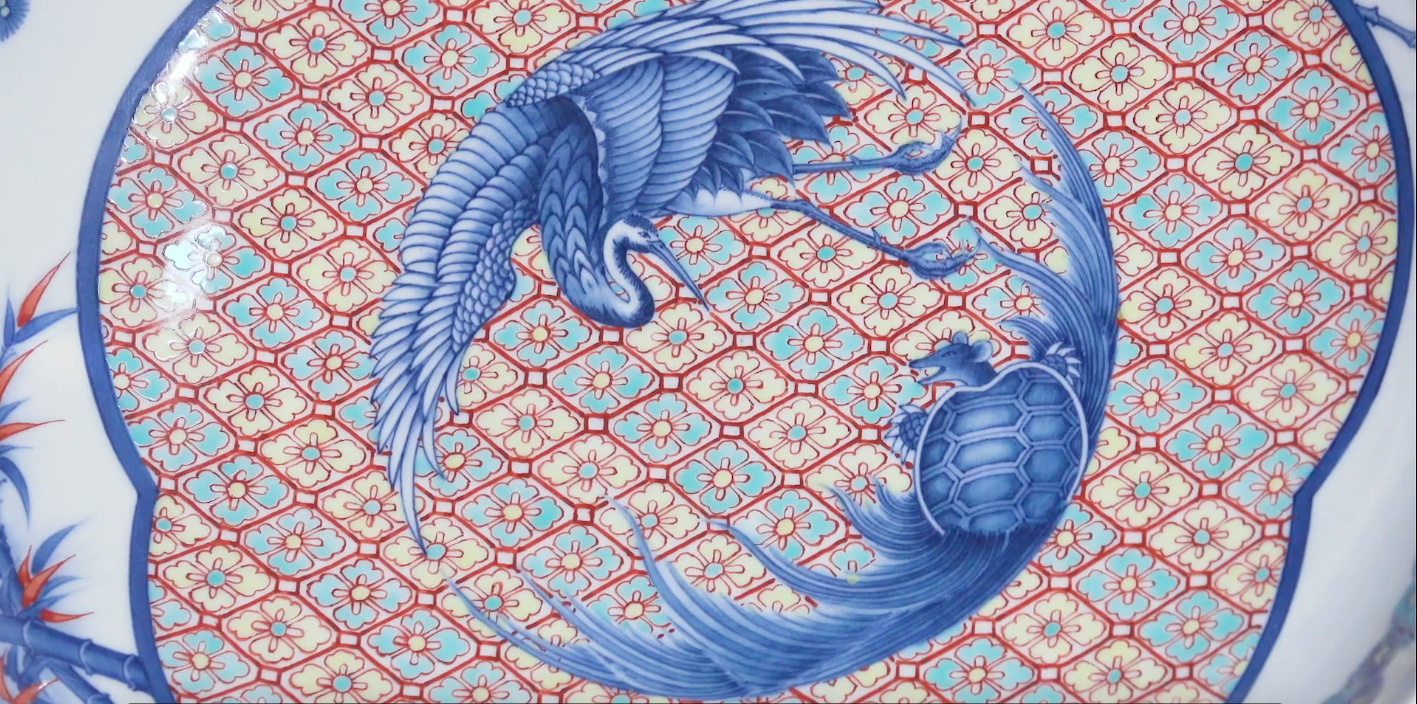
Nabeshima Ware, Favored Feudal Lords (Saga Prefecture)
TRAVEL
2021
25 minutes Episode(s): 1
english
English

[Colors in Japan]
Click here to preview this episode!
Part of the "Colors in Japan" series!
During Japan's Edo period, the NabeshimaClan produced pottery known as "Nabeshimaware." Renowned for their intricate designs and vibrant colors, today, artisans in Okawauchiyama continue to uphold this centuries-old tradition, crafting exquisite pieces.
Click here to preview this episode!
Part of the "Colors in Japan" series!
Customers who watch this video also watch
-

The Jewel of Toyama Bay to be Preserved for Future Generations (Toyama Prefecture)
2021 25 minutes[Colores in Japan] “Shiroebi,” translucent shrimp harvested in Toyama Bay, are prized for their delicate beauty. Local fishermen formed the Toyama Bay Shiroebi Club to protect this resource. The club works to promote shiroebi nationwide and ensure its preservation for future generations. Click here to preview the program! Part of...more details -
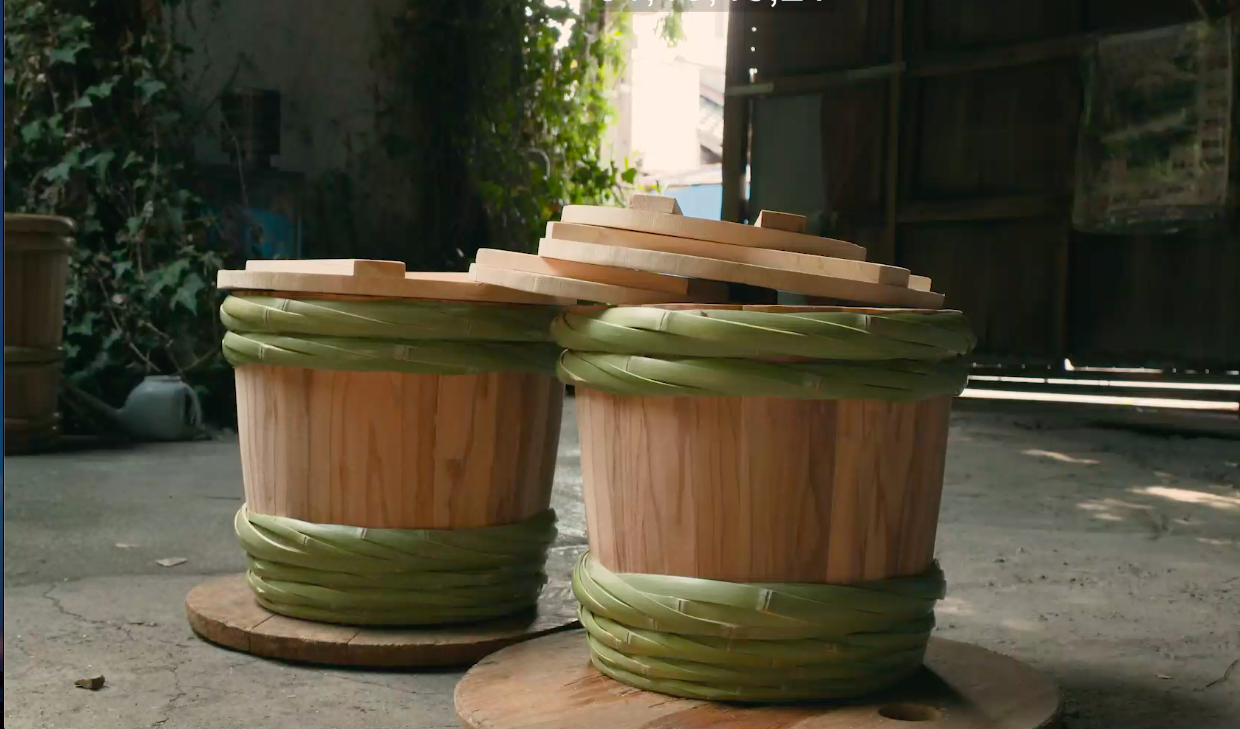
Wooden Barrels of Tochigi -Time Etched by the Color of Old Bamboo (Tochigi Prefecture)
2021 25 minutes[Colors in Japan] Tochigi City has a long history of producing wooden barrels for fermenting food. Despite the rise of plastic containers, one dedicated craftsman continues to make barrels using traditional techniques. The barrels are crafted from cedar heartwood and tied with local timber bamboo. Click here to preview this...more details -

The Reason I Work Here- Shinagawa, Tokyo
2018 30 mins[Beauty of Japan Season 2] Yugo Matsumoto is an Englishman who owns a popular café in Shinagawa, Tokyo, where customers of all age groups stop by to spend their time. What are the reasons behind the café’s popularity? In this episode, we observe Japan through the eyes of an Englishman...more details -

Yūki Tsumugi: The worldly recognised silk textile Yūki city, Ibaraki Pref.
2014 30mins[Beauty of Japan Season 1] “Yuki Tsumugi textile” is designated as one of the Important Intangible Cultural Properties in Japan and is also listed on the Representative List of the Intangible Cultural Heritage of Humanity by UNESCO. Its origin, the fine 'Ashi Ginu silk' is said to have been offered...more details