TRAVEL
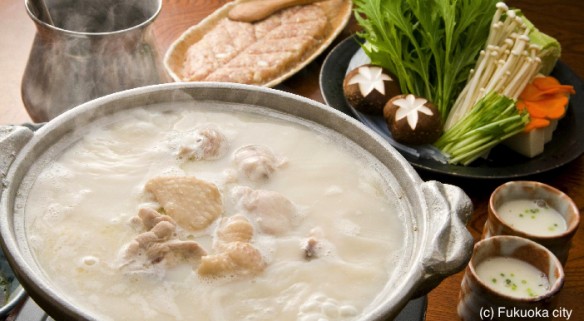
Traditional home dishes from the Gastronomic city
Hakata city, Fukuoka Pref.
TRAVEL
2014
30mins Episode(s): 1
english
Japanese


[Beauty of Japan Season 1]
“Gameni stew", “Mizutaki hot-pot” and “Hakata Zoni stew” are some of the traditional dishes from the gastronomic city of Fukuoka.
This documentary focuses on the regional cuisines, which have been passed on generations by Hakatakko (Hakata local people) who are known for their high-spirited characters. It also talks about the recipes, and the history behind the dishes.
*Part of the 'Beauty of Japan' series.
Click here to preview this episode!
“Gameni stew", “Mizutaki hot-pot” and “Hakata Zoni stew” are some of the traditional dishes from the gastronomic city of Fukuoka.
This documentary focuses on the regional cuisines, which have been passed on generations by Hakatakko (Hakata local people) who are known for their high-spirited characters. It also talks about the recipes, and the history behind the dishes.
*Part of the 'Beauty of Japan' series.
Click here to preview this episode!
Customers who watch this video also watch
-
Shiretoko Peninsula’s Kingdom of Brown Bears
 2003 “Era of Local” TV Festival 2010 Grand Prize. Shiretoko Peninsula, Japan’s final frontier, is the last kingdom of brown bears where their life in the wild can be observed. Surrounded by the ocean, the Shiretoko Peninsula is densely inhabited by brown bears, which is proof that Shiretoko is blessed with...more details
 -
Okada village's proud pure CottonChita city, Aichi Pref.
2014 30mins[Beauty of Japan Season 1] Sarashi (untreated) cotton fabric can be used in many ways. Since the early time of the Edo period, Chita Sarahi, produced in Okada village, in Chita city, has been sold in Edo, and it resulted to become the biggest cotton-weaving city. The manufacturers have now...more details -
TASTE JAPAN
2019 30 minsWatch as popular Taiwanese actor Figaro visits Aomori Prefecture and encounters the many delicious food products the prefecture has to offer. Along the way, he will draw inspiration from the local cuisine he tastes to create original recipes of his own. Throughout his trip, Figaro is touched by the heartfelt...more details -
Costume Play Family Photograph
2009 Grand Prize at NAB Awards 2009 / Local TV Festival 2009. The rapid economic growth in Japan during the last century has taken its toll on the health of family life. This documentary focuses on the "modern family image" in Japanese society, where family ties are becoming thin. Masashi Asada...more details