TRAVEL
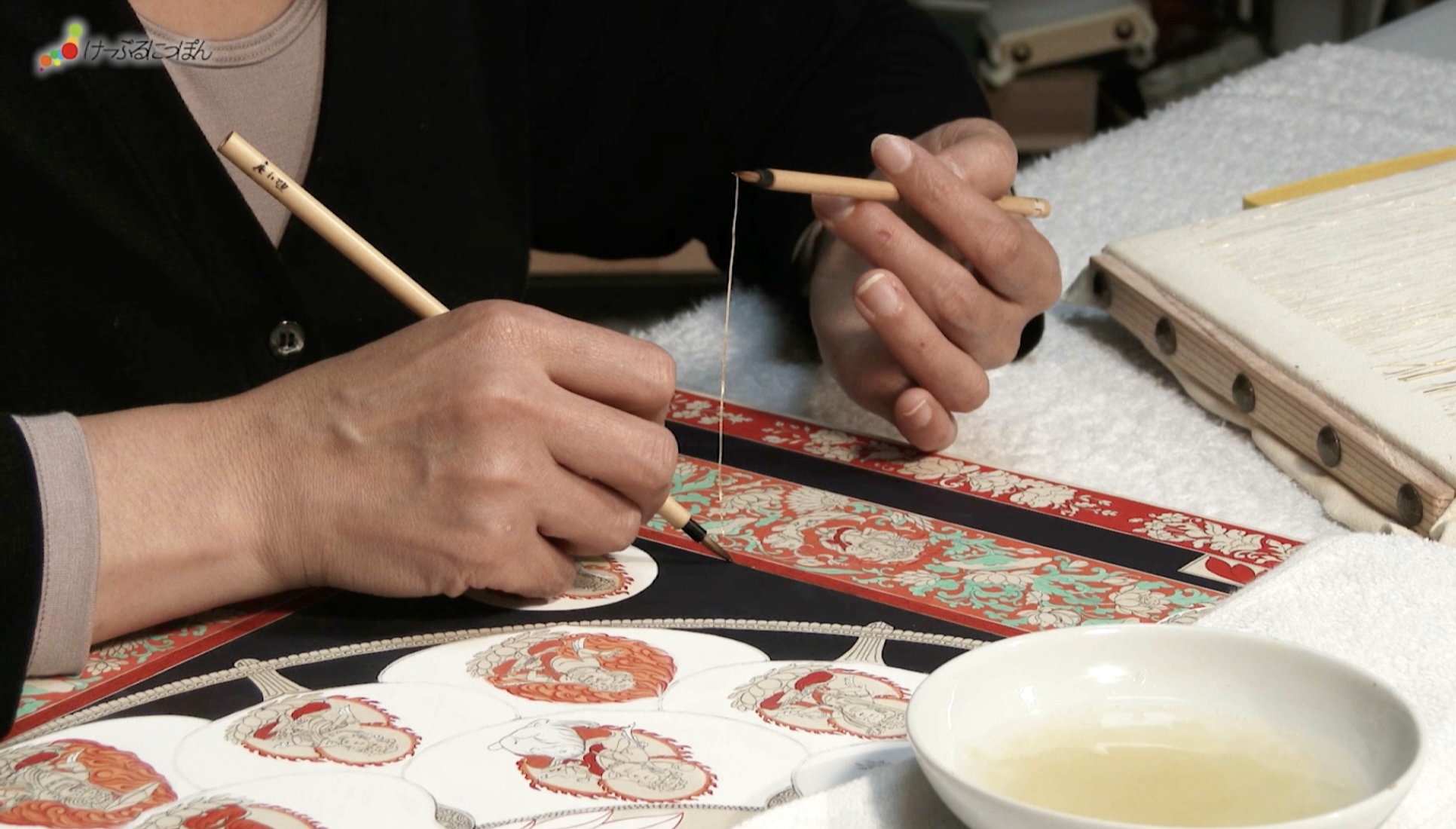
Kirikane Buddhist paintings
Miura city, Kanagawa Pref.
TRAVEL
2014
30mins Episode(s): 1
english
Japanese


[Beauty of Japan Season 1]
Kirikane is a decorative technique used for Buddhist statues and paintings.
It requires high skills of cutting layers of gold leaves as thin as a hair, and placing them delicately onto Buddhist statues or paintings to create motifs.
Chika Hasegawa is a young artist in Kirikane who has a workshop in Miura city, Kanagawa prefecture. Her goal is to create beautiful and fine Buddhist paintings like the ones seen in the Heian period (from 794 to 1185).
This documentary focuses on the techniques and beauty of Kirikane.
*Part of the 'Beauty of Japan' series.
Click here to preview this episode!
Kirikane is a decorative technique used for Buddhist statues and paintings.
It requires high skills of cutting layers of gold leaves as thin as a hair, and placing them delicately onto Buddhist statues or paintings to create motifs.
Chika Hasegawa is a young artist in Kirikane who has a workshop in Miura city, Kanagawa prefecture. Her goal is to create beautiful and fine Buddhist paintings like the ones seen in the Heian period (from 794 to 1185).
This documentary focuses on the techniques and beauty of Kirikane.
*Part of the 'Beauty of Japan' series.
Click here to preview this episode!
Customers who watch this video also watch
-
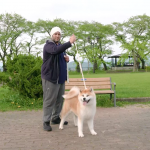
Angel, Living in a Loyal Dog's Home- Odate, Akita Prefecture
30 mins[Beauty of Japan Season 2] The Akita dog breed is known for its cuteness, dignity, and for its loyalty to its owner (as described in the famous story of "Hachiko"). Angel, an Israeli living in Odate City, became a breeder after he was charmed by the Akita breed. Through his...more details -
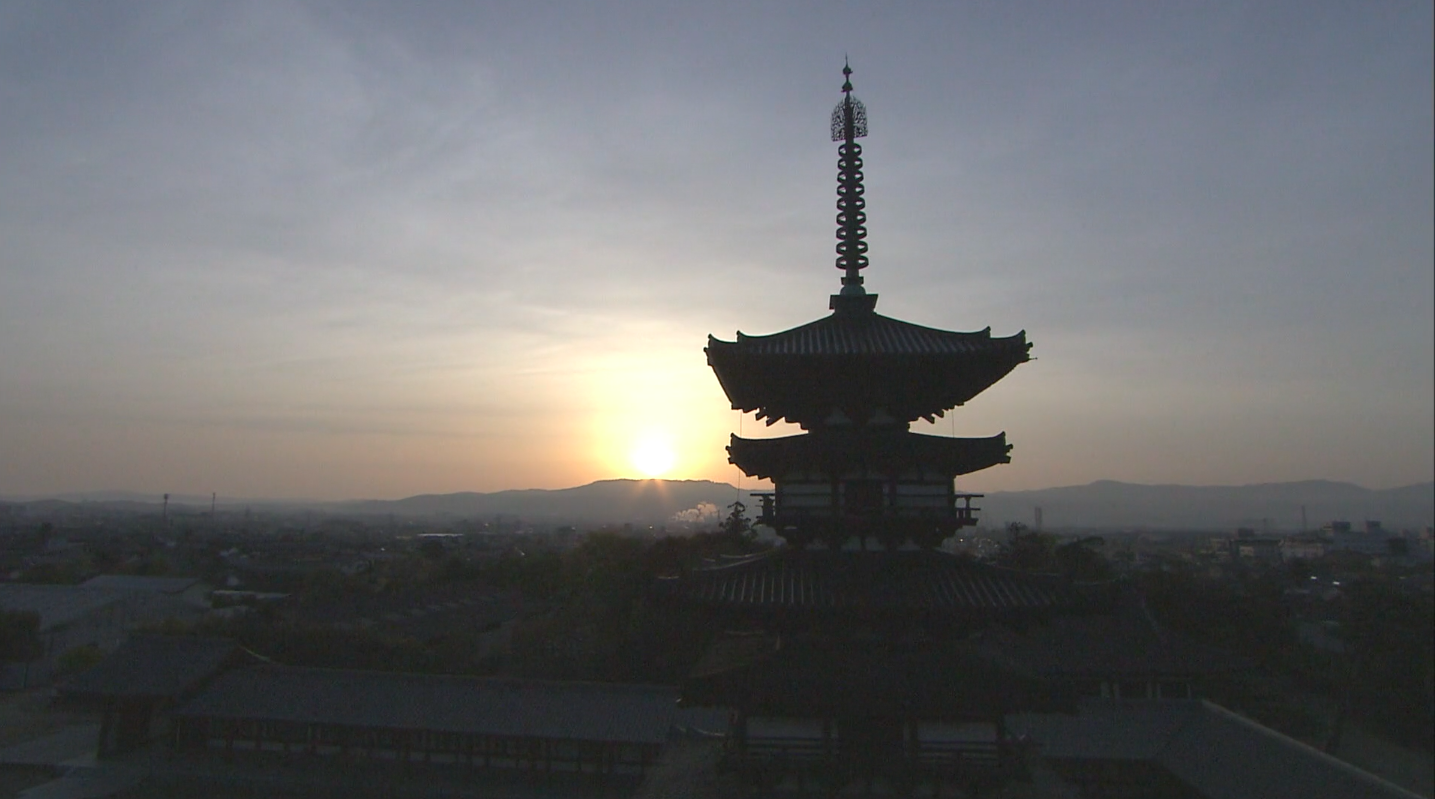
1300 Years of Prayers The Rebirth of the East Pagoda
2023 55 min.Yakushiji Temple is a World Heritage site in Nara. Its East Pagoda is a National Treasure of Japan and the only remaining building from the Heijo-kyo capital, built in the year 730. Yet due to severe deterioration and the potential threat of earthquakes, it became necessary for it to be...more details -

Omanto Festival -Land on This Horse-
2018 30 mins[Festivals of Japan Season 2] The Omanto Festival of Aichi Prefecture is a much-loved festival passed down since the Edo period. The highlight of this festival is held at a circular run where young men display their courage by jumping onto horses traveling at 40 km/hour. The locals of this...more details -
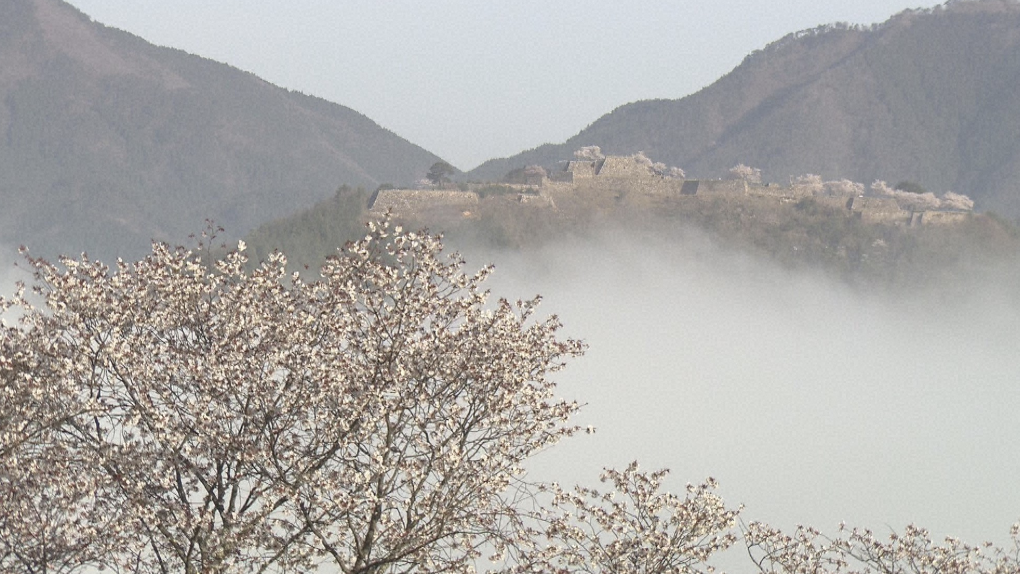
Castle in the Sky and Granddaddy's Cherry Tree
2021 60 minutesThe Takeda Castle ruins in Asago City are known as the “Castle in the Sky” as they are located on a mountain top and look to be floating in the sky. Wild cherry trees growing on the mountain slope are another symbol of the city. The trees, preserved over generations,...more details