TRAVEL
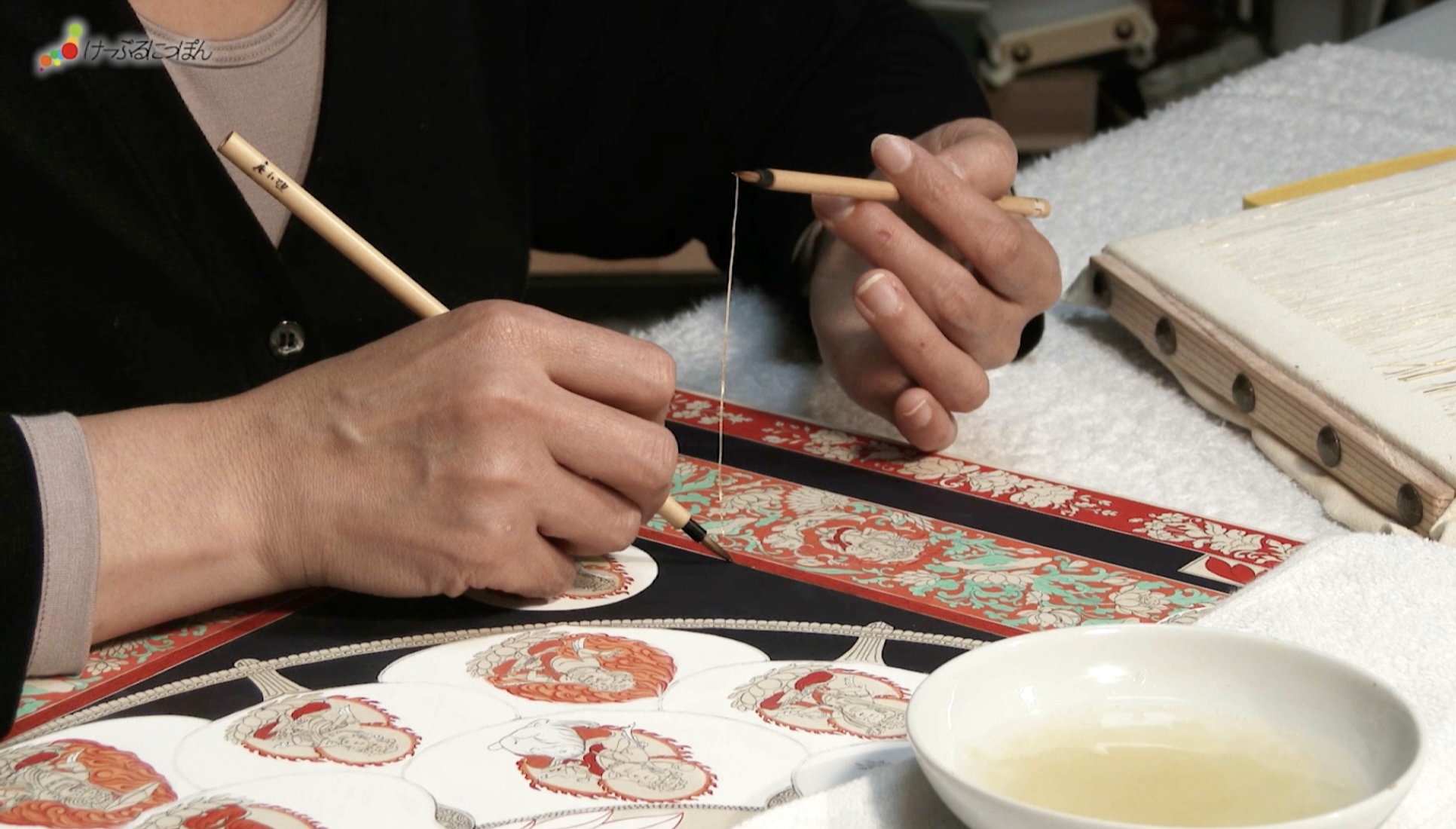
Kirikane Buddhist paintings
Miura city, Kanagawa Pref.
TRAVEL
2014
30mins Episode(s): 1
english
Japanese


[Beauty of Japan Season 1]
Kirikane is a decorative technique used for Buddhist statues and paintings.
It requires high skills of cutting layers of gold leaves as thin as a hair, and placing them delicately onto Buddhist statues or paintings to create motifs.
Chika Hasegawa is a young artist in Kirikane who has a workshop in Miura city, Kanagawa prefecture. Her goal is to create beautiful and fine Buddhist paintings like the ones seen in the Heian period (from 794 to 1185).
This documentary focuses on the techniques and beauty of Kirikane.
*Part of the 'Beauty of Japan' series.
Click here to preview this episode!
Kirikane is a decorative technique used for Buddhist statues and paintings.
It requires high skills of cutting layers of gold leaves as thin as a hair, and placing them delicately onto Buddhist statues or paintings to create motifs.
Chika Hasegawa is a young artist in Kirikane who has a workshop in Miura city, Kanagawa prefecture. Her goal is to create beautiful and fine Buddhist paintings like the ones seen in the Heian period (from 794 to 1185).
This documentary focuses on the techniques and beauty of Kirikane.
*Part of the 'Beauty of Japan' series.
Click here to preview this episode!
Customers who watch this video also watch
-

Trap Master Kunio Katagiri and His Secrets to the Finest Gibier
 2018 Kunio Katagiri is a master trapper and has been the legendary owner-chef of a gibier (wild game) restaurant for 45 years. Katagiri, who hunts all of his game meats by himself, never uses a gun. Instead, he uses homemade traps of his own design to capture wild deer and wild...more details
 -
Nada Fighting Festival
2018 30 mins[Festivals of Japan Season 2] A grand scene ensues as mikoshi portable shrines batter each other in a display of strength and pride. The Nada Fighting Festival is held annually in Himeji City, Hyogo Prefecture, and is the largest festival among numerous "fight festivals" in Japan. Every year on October...more details -
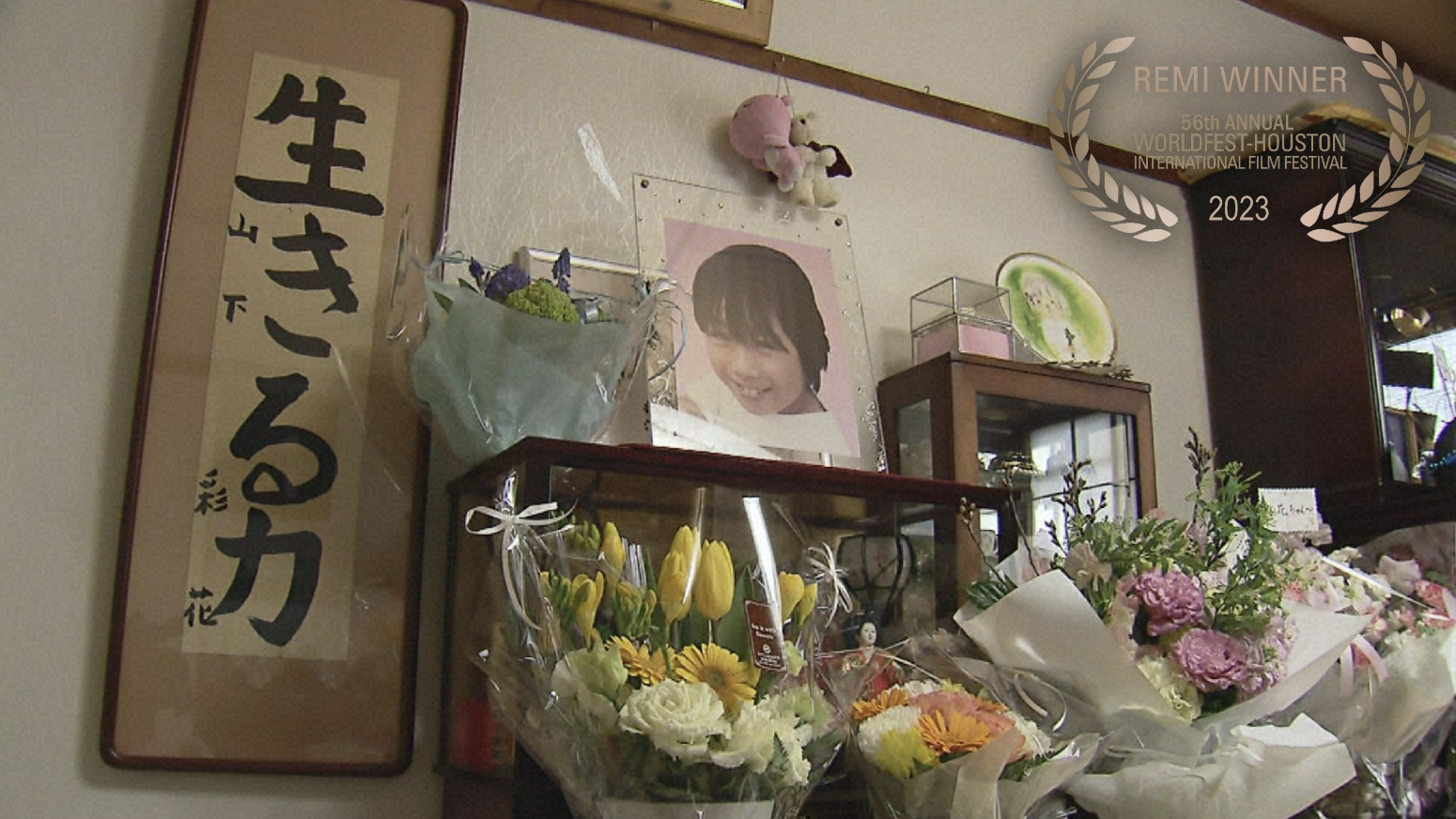
Finding the Strength to Live
2022 2023 WorldFest-Houston International Film Festival REMI Award (Special Jury Award) Known as the Kobe Serial Child Murders, in 1997 two children in Kyoto were brutally murdered by a 14-year-old boy who used the pseudonym Seito Sakakibara. Still a minor, by law the killer was jailed anonymously to protect his identity....more details -
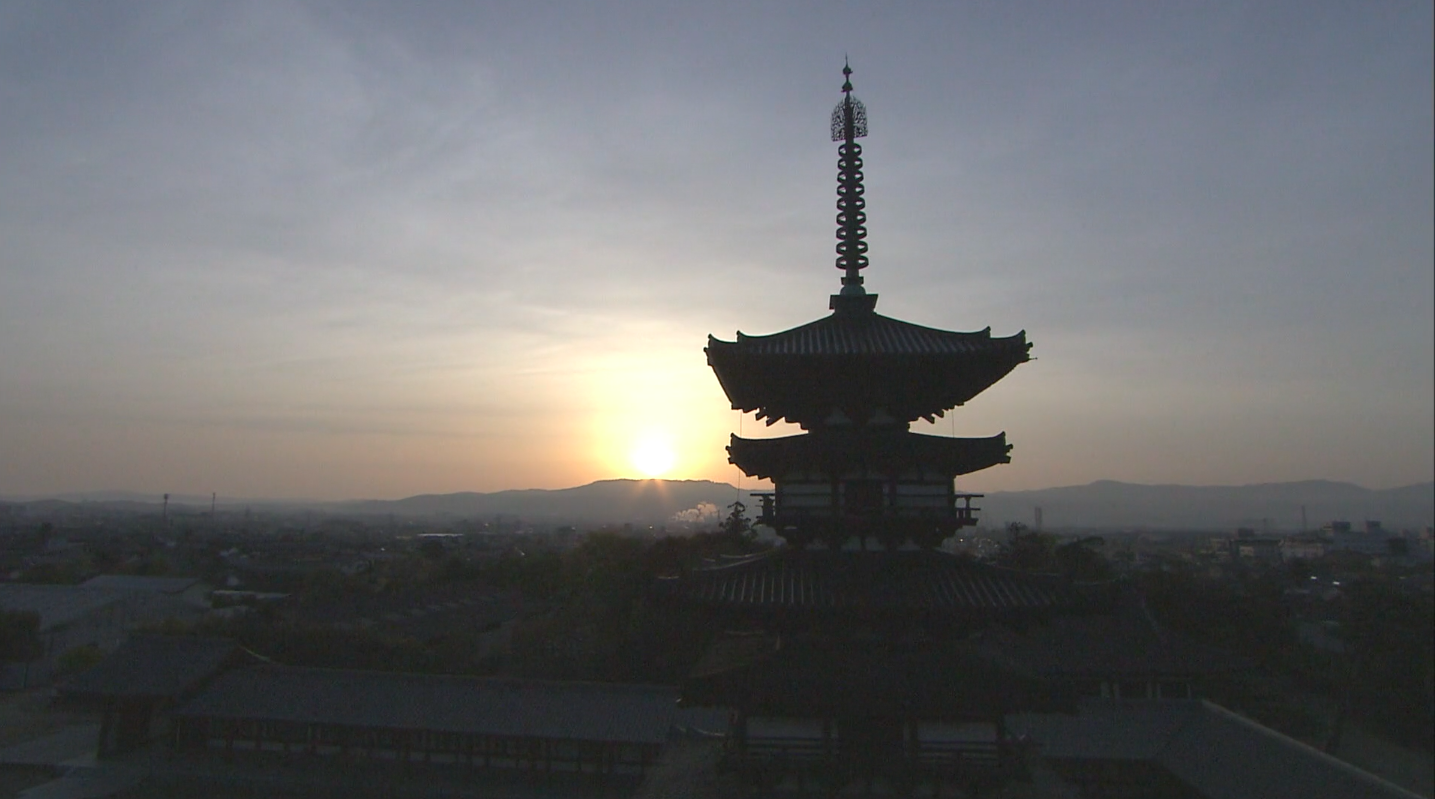
1300 Years of Prayers The Rebirth of the East Pagoda
2023 55 min.Yakushiji Temple is a World Heritage site in Nara. Its East Pagoda is a National Treasure of Japan and the only remaining building from the Heijo-kyo capital, built in the year 730. Yet due to severe deterioration and the potential threat of earthquakes, it became necessary for it to be...more details