FOOD
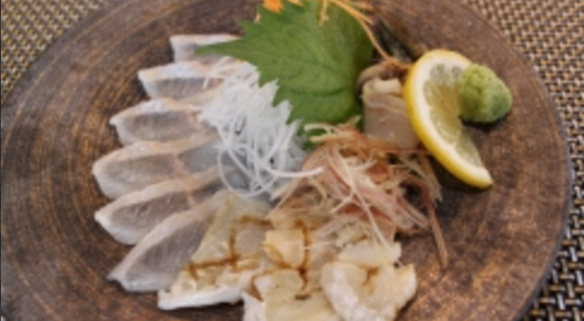
Anago, Saltwater Eel
Tsushima Island, Nagasaki Pref.
FOOD
2016
25 minutes Episode(s): 1
english
Japanese


[Food of Japan Season 2]
Tsushima, Kyushu is a small island located between Japan and South Korea. This small island is famous for Japan's highest production of Anago saltwater eels. Local restaurants serve them as tempura, shabushabu or even as sashimi. The camera shows how the saltwater eels are captured, prepared and then served at restaurants.
Click here to preview this episode!
Part of the "Food of Japan Series 2"!
Tsushima, Kyushu is a small island located between Japan and South Korea. This small island is famous for Japan's highest production of Anago saltwater eels. Local restaurants serve them as tempura, shabushabu or even as sashimi. The camera shows how the saltwater eels are captured, prepared and then served at restaurants.
Click here to preview this episode!
Part of the "Food of Japan Series 2"!
Customers who watch this video also watch
-

Yoshida Fire Festival -Japan's 3 Major Unusual Festivals-
2018 30 mins[Festivals of Japan Season 2] Bright flames rise from giant torches, staining the city and skies with their bright red color... The Yoshida Fire Festival is an Important Intangible Folk Cultural Property of Japan that signals the end of summer at Mount Fuji (a World Cultural Heritage.) This episode focuses...more details -

Traditional Festivals of Japan
2009 55 minsShrines and temples like Ise Jingu Shrine with a history of 2000 years are carefully preserved all over Japan. Traditional cultural festivals are held all over the country that take place in these very special shrines and temples. Five of these famous festivals have been captured on camera and each...more details -
An Eden for Two
 2016 US International Film & Video Festival 2017 Entertainment Category Gold Camera Award After World War 2, Japan experienced an economic boom and became a wealthy society. One couple fought against materialism, choosing otherwise to live deep in the mountains without electricity, a telephone, or plumbing. This program shows how these...more details
 -
Laugh It Away and Say Goodbye
2010 Winner of Best News Documentary at Monte-Carlo TV Festival 2011 Grand Prize at The Age of Regionalism Video Festival 2011 Grand Prize at “Era of Local” TV Festival 2010 Small and medium-sized businesses are the back bones of Japan that support the economy from the bottom-up. However, as work decreased...more details