FOOD
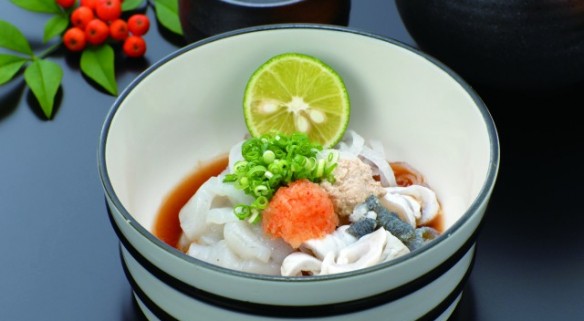
Fugu (Pufferfish)
Niihama city, Ehime Pref.
FOOD
2015
30 minutes Episode(s): 1
english
Japanese


[Food of Japan Season 1]
Ehime's Niihama city is blessed with the beautiful Seto Inland Sea and a variety of delicious seafood. Local people enjoy 'Fuguzaku', a dish made from Fugu (pufferfish) which is only caught during the winter months. 'Fuguzaku' is roughly sliced pufferfish's skin and meat mixed with citrus vinegar sauce. The city is secretly known for its large consumption of pufferfish: 10 tons yearly.
Click here to preview this episode!
Part of the "Food of Japan Series"!
Ehime's Niihama city is blessed with the beautiful Seto Inland Sea and a variety of delicious seafood. Local people enjoy 'Fuguzaku', a dish made from Fugu (pufferfish) which is only caught during the winter months. 'Fuguzaku' is roughly sliced pufferfish's skin and meat mixed with citrus vinegar sauce. The city is secretly known for its large consumption of pufferfish: 10 tons yearly.
Click here to preview this episode!
Part of the "Food of Japan Series"!
Customers who watch this video also watch
-

The Second Bridge of Shinminato Uchikawa- Imizu, Toyama Prefecture
2019 30 minutes[Beauty of Japan Season 2] Stephen, originally from Hawaii, was entranced by the charms of Uchikawa and moved there from Tokyo to open his bar, the "BRDIGE・BAR". We follow Stephen's story as he attempts to become the second bridge that connects the Uchikawa community to the rest of the world!...more details -
A French man striving to enrich a village with forestry- Totsugawa, Nara Prefecture
30 mins[Beauty of Japan Season 2] Totsugawa in Nara Prefecture is the largest village in Japan. Jolan settled in this village from France after he fell in love with its serenity and beauty. Using his expertise in European forestry, he works to revitalise the Japanese forests as well as the local...more details -
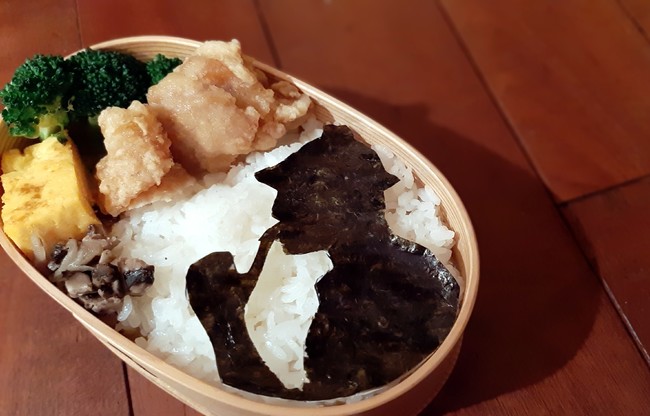
The Detective's Bento
2022 12 minsGendoji Daigo is a private detective with two passions: mysteries and food. Due to a personal quirk, he never eats food made by others, instead bringing his own elaborate bento to every case- each inspired by dishes from classic mystery novels and famous detectives like Sherlock Holmes. Nicknamed “The Bento...more details -
Angel, Living in a Loyal Dog's Home- Odate, Akita Prefecture
30 mins[Beauty of Japan Season 2] The Akita dog breed is known for its cuteness, dignity, and for its loyalty to its owner (as described in the famous story of "Hachiko"). Angel, an Israeli living in Odate City, became a breeder after he was charmed by the Akita breed. Through his...more details