FOOD
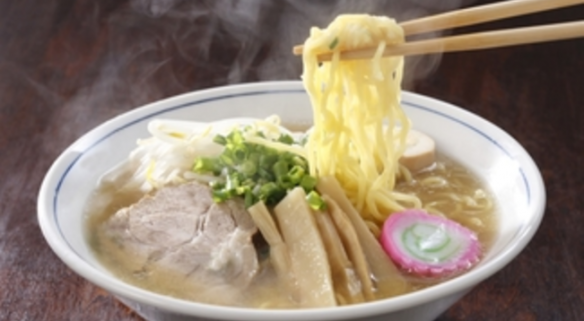
Miso Ramen (Soup Noodle)
Sapporo city, Hokkaido
FOOD
2015
30 minutes Episode(s): 1
english
Japanese


[Food of Japan Season 1]
Ramen noodles have become a trend all around the world, and nearly every Japanese region has its own variation. The speciality of Sapporo city is 'Miso Ramen,' which was created there after the second world war and has a miso paste based soup. Now a number of restaurants contribute to the city's tourism. Typical miso ramen is rich in umami (the famous Japanese 6th flavor) and has a soup with a deep taste and yellow frizzy noodles. The camera follows the people who maintain the flavor and the process in its birthplace of Sapporo.
Click here to preview this episode!
Part of the "Food of Japan Series"!
Ramen noodles have become a trend all around the world, and nearly every Japanese region has its own variation. The speciality of Sapporo city is 'Miso Ramen,' which was created there after the second world war and has a miso paste based soup. Now a number of restaurants contribute to the city's tourism. Typical miso ramen is rich in umami (the famous Japanese 6th flavor) and has a soup with a deep taste and yellow frizzy noodles. The camera follows the people who maintain the flavor and the process in its birthplace of Sapporo.
Click here to preview this episode!
Part of the "Food of Japan Series"!
Customers who watch this video also watch
-

Toyohama Sea Bream Festival -Japan's Bizarre Festival-
2017 30 mins[Festivals of Japan Season 1] With energetic chants, a giant sea bream is towed by the excited townspeople of Toyohama, Aichi Prefecture. Originally a festival held to bless maritime safety and an abundant catch, it provides a unique spectacle for onlookers to enjoy. Five in total, the gigantic seabreams are...more details -

Our Lives as Immigrants- Iiyama, Nagano Prefecture
2019 30 mins[Beauty of Japan Season 2] An American and English couple have lived in Iiyama City for 3 years. They earn their living through teaching English at schools within the vicinity, but wish to become farmers instead. Their excitement expands as they map out their future lives growing safe and healthy...more details -

Ubasute
 2014 Best Local Production at the 2015 Tokyo Drama Awards. The "yutori" generation of Japan is said to be one of the laziest in society. Being raised in a pressure-free education system, they are often criticized for poor results and lack of drive in the workplace. Touma (Kensuke Owada), at age...more details
 -
Daidai Kagura -The Ritual Dance of Iki, the Island of the Gods-
2017 30 mins[Festivals of Japan Season 1] Iki Island, in Nagasaki Prefecture, has about 1,000 shrines. The Iki Kagura is an ancient and sacred dance practiced only by Shinto priests and is an Intangible Folk Cultural Property of Japan. The sacred ceremony is carried out with the playing of flute and drum...more details