FOOD
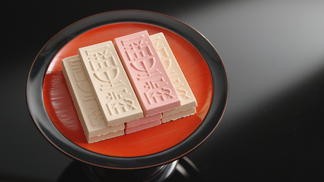
Wagashi Sweets from Samurai Town
Kanazawa city, Ishikawa Pref.
FOOD
2015
30 minutes Episode(s): 1
english
Japanese


[Food of Japan Season 1]
The historical samurai town of Kanazawa is famous for wagashi (Japanese traditional sweets). The city is said to have the largest consumption of fresh wagashi. The different wagashi are traditionally made according to the four distinct seasons, adding elegance to people's daily lives. This documentary takes you on a journey to the world of sophisticated sweets, and important food culture from this samurai town.
Click here to preview this episode!
Part of the "Food of Japan Series"!
The historical samurai town of Kanazawa is famous for wagashi (Japanese traditional sweets). The city is said to have the largest consumption of fresh wagashi. The different wagashi are traditionally made according to the four distinct seasons, adding elegance to people's daily lives. This documentary takes you on a journey to the world of sophisticated sweets, and important food culture from this samurai town.
Click here to preview this episode!
Part of the "Food of Japan Series"!
Customers who watch this video also watch
-

The 40th Otsuna Festival -Invigorating a Community-
2018 30 mins[Festivals of Japan Season 2] Half-naked men pull on a giant white rope. Eighty meters long and about a ton in weight, the rope is the central focus of the Tosa City Otsuna Festival. Originally an Edo Period tradition, the festival was brought back by people hoping to energize a community...more details -
Onyudo -Japan's Largest Mechanical Doll-
2017 30 mins[Festivals of Japan Season 1] The "Onyudo", the largest mechanical doll in Japan, is the symbol of Yokkaichi City in Mie Prefecture. Every year at the Yokkaichi Festival in August, the Onyudo entertains many people with its humorous and silly movements. Placed on a large float, its gigantic body sways...more details -

Nebuta Festival -Nebuta Master Creator's 365 days-
2018 30 mins[Festivals of Japan Season 2] Every year between August 2nd and 7th, the dynamic Nebuta floats of Aomori Prefecture are paraded around the city at night, providing a colorful and exciting summer spectacle for all to enjoy. The city's pride, the Aomori Nebuta Festival, was recognized as an Important Intangible...more details -
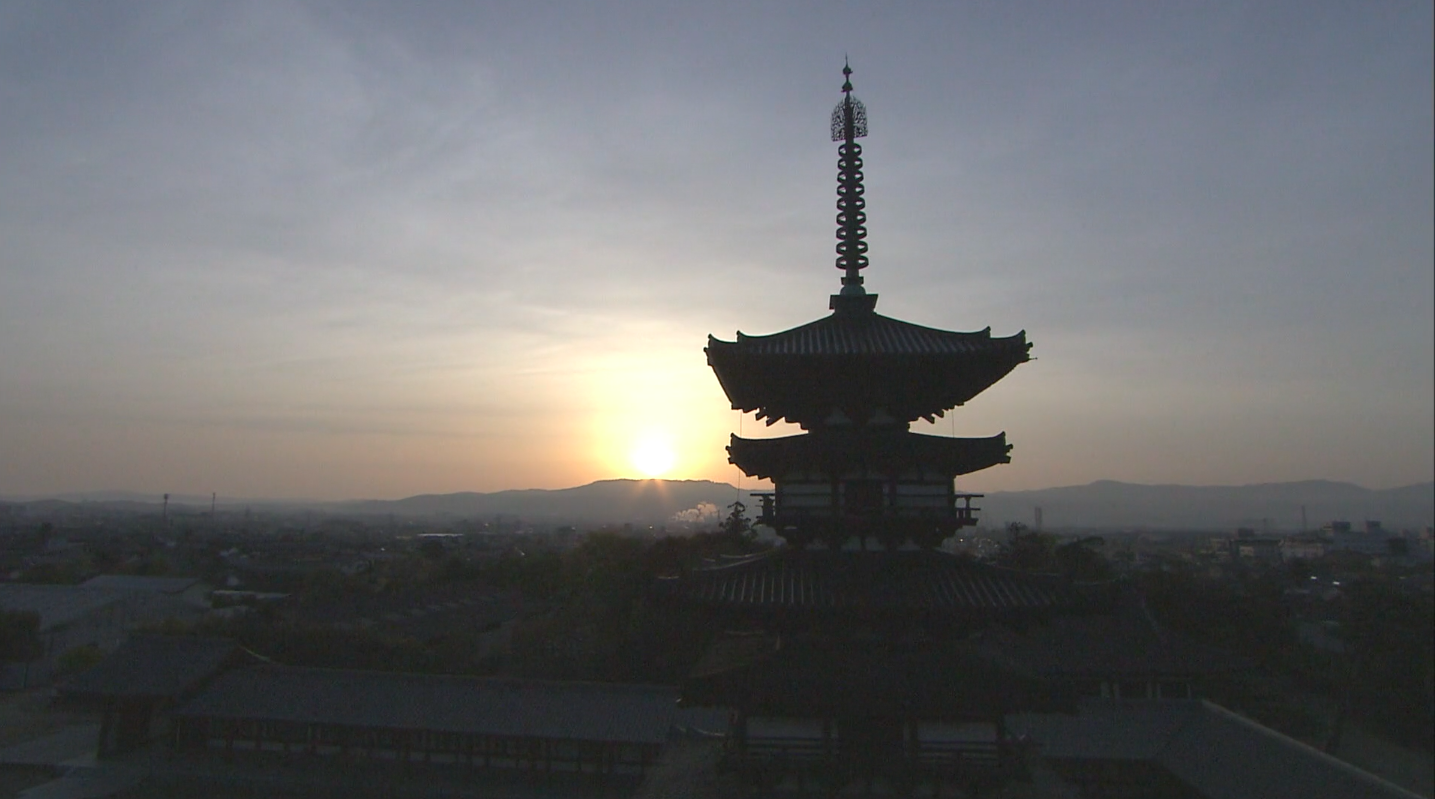
1300 Years of Prayers The Rebirth of the East Pagoda
2023 55 min.Yakushiji Temple is a World Heritage site in Nara. Its East Pagoda is a National Treasure of Japan and the only remaining building from the Heijo-kyo capital, built in the year 730. Yet due to severe deterioration and the potential threat of earthquakes, it became necessary for it to be...more details