FOOD
A Brewery from Sake's Birthplace
Izumo city, Shimane Pref.
FOOD
2016
25 minutes Episode(s): 1
english
Japanese


[Food of Japan Season 2]
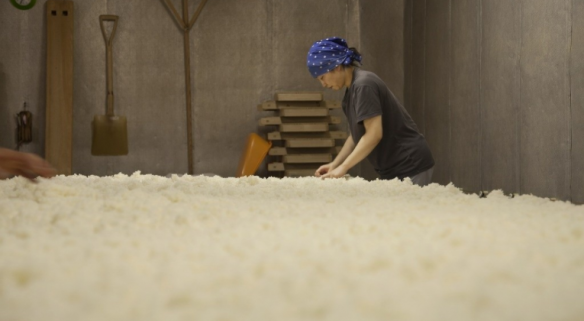
Izumo City is believed to be the birthplace of Sake. Asahi Shuzou is a long-established sake brewery since 1869. A female successor of the brewery has set a new challenge with a view to convey the beauty of Sake. Willing to change the image of Sake to be more casually accepted by the public, she's brought the traditional Sake brewing technique into the modern times where 'easy' and 'quick' are expected. This documentary focuses on the challenges that the successor faces and the Sake brewing process that takes time and effort.
Click here to preview this episode!
Part of the "Food of Japan Series 2"!
Izumo City is believed to be the birthplace of Sake. Asahi Shuzou is a long-established sake brewery since 1869. A female successor of the brewery has set a new challenge with a view to convey the beauty of Sake. Willing to change the image of Sake to be more casually accepted by the public, she's brought the traditional Sake brewing technique into the modern times where 'easy' and 'quick' are expected. This documentary focuses on the challenges that the successor faces and the Sake brewing process that takes time and effort.
Click here to preview this episode!
Part of the "Food of Japan Series 2"!
Customers who watch this video also watch
-
Jizo-bon Festival -Choraku Temple of the Valley-
2018 30 mins[Festivals of Japan Season 2] Jizo-bon is a festival that celebrates the Jizo Bosatsu, or "Kshitigarbha," and takes place in the Kinki Region of Japan. The Jizo-bon culture of Choraku Temple in Kakogawa City, Hyogo Prefecture, has been passed down from the Edo Period. In the evening, men carrying large...more details -
Arita Ware Reborn -Beyond the Tradition of 400 years -
2018 25 minutesThe first porcelain in Japan was made in Arita-cho 400 years ago. The porcelain was named "Aritayaki". In the late 17th century Arita ware was exported to Europe, and its technicality and beauty were appreciated. The process goes through different phases such as molding the clay and coloring it. the...more details -

The Real Last Samurai: Katori Shinto-ryu
2019 30 mins[Beauty of Japan Season 2] The "Tenshin Shoden Katori Shinto-ryu" is the oldest martial arts style that exists in Japan. Not only is it extremely popular within Japan, but it also has 30 branches across the globe. In Narita City in Chiba Prefecture, there is a dojo (training hall) where...more details -
Traditional Festivals of Japan
2009 55 minsShrines and temples like Ise Jingu Shrine with a history of 2000 years are carefully preserved all over Japan. Traditional cultural festivals are held all over the country that take place in these very special shrines and temples. Five of these famous festivals have been captured on camera and each...more details