TRAVEL
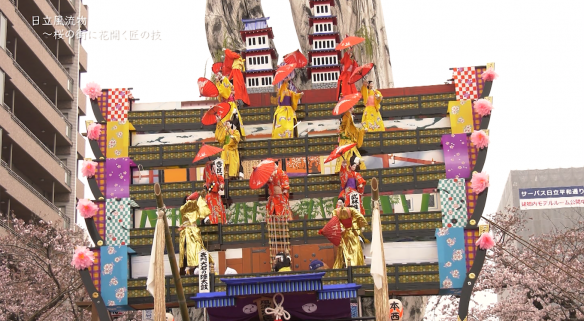
Hitachi Furyumono -Masterful Art of the Common People-
TRAVEL
2017
30 mins Episode(s): 1
english
Japanese


[Festivals of Japan Season 1]
The Hitachi Furyumono is an important tangible and intangible folk cultural property of Japan, recognized as one of UNESCO's Intangible Cultural Assets in 2009. Originating from the Edo Period when the parishioners of Kamine Shrine dedicated floats, the colorful float carrying dancing mechanical dolls are the highlight of the festival. This episode takes a look at the preparation process for the festival, as well as its history and charm!
Click here to preview the program!
Part of "Festivals of Japan - Season 1".
The Hitachi Furyumono is an important tangible and intangible folk cultural property of Japan, recognized as one of UNESCO's Intangible Cultural Assets in 2009. Originating from the Edo Period when the parishioners of Kamine Shrine dedicated floats, the colorful float carrying dancing mechanical dolls are the highlight of the festival. This episode takes a look at the preparation process for the festival, as well as its history and charm!
Click here to preview the program!
Part of "Festivals of Japan - Season 1".
Customers who watch this video also watch
-
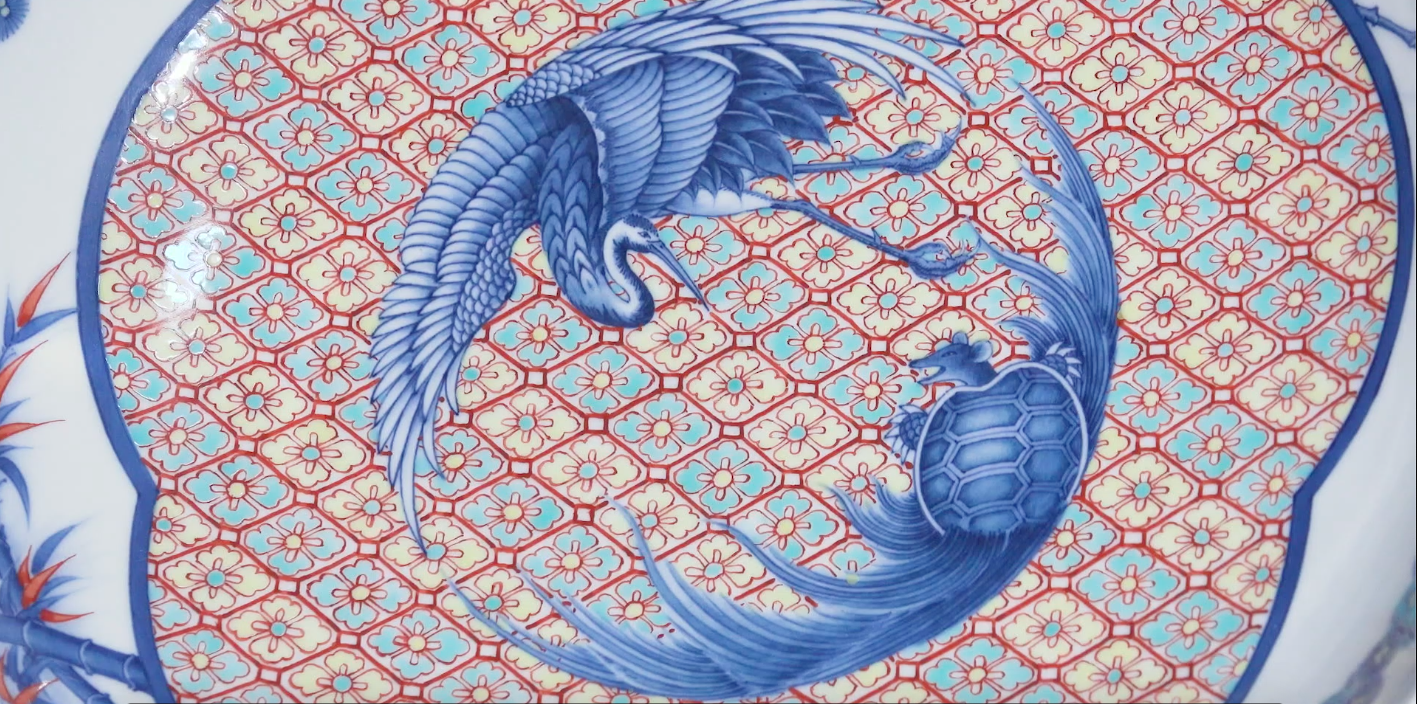
Nabeshima Ware, Favored Feudal Lords (Saga Prefecture)
2021 25 minutes[Colors in Japan] During Japan's Edo period, the NabeshimaClan produced pottery known as "Nabeshimaware." Renowned for their intricate designs and vibrant colors, today, artisans in Okawauchiyama continue to uphold this centuries-old tradition, crafting exquisite pieces. Click here to preview this episode! Part of the "Colors in Japan" series!more details -
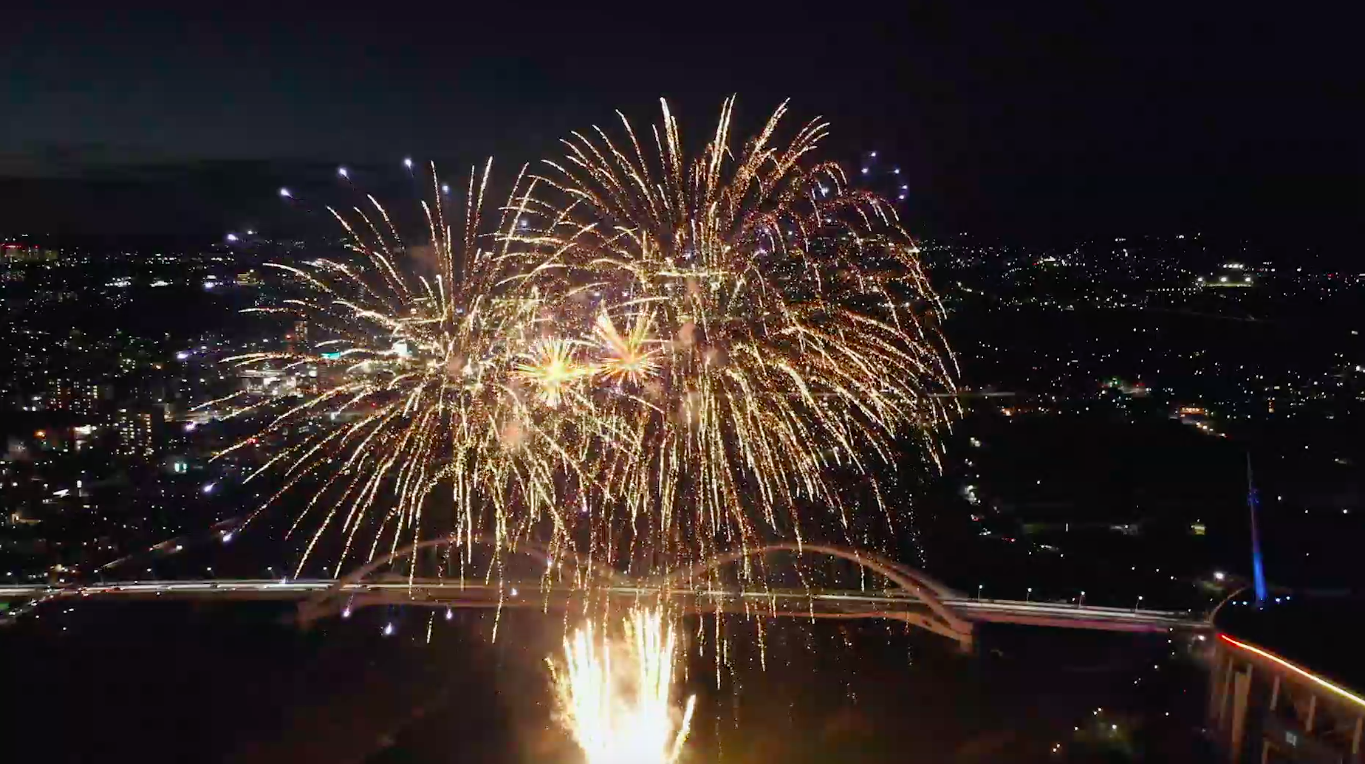
Mikawa Fireworks -Large Flowers Blooming at Night (Aichi Prefecture)
2021 25 minutes[Colors in Japan] Aichi Prefecture is a hub of fireworks manufacturing in Japan. Renowned since the Edo period, Mikawa fireworks have captivated audiences with their stunning displays. We explore the craftsmanship behind these pyrotechnic masterpieces, delving into the artisans' dedication to creating unforgettable fireworks experiences. Click here to preview the...more details -
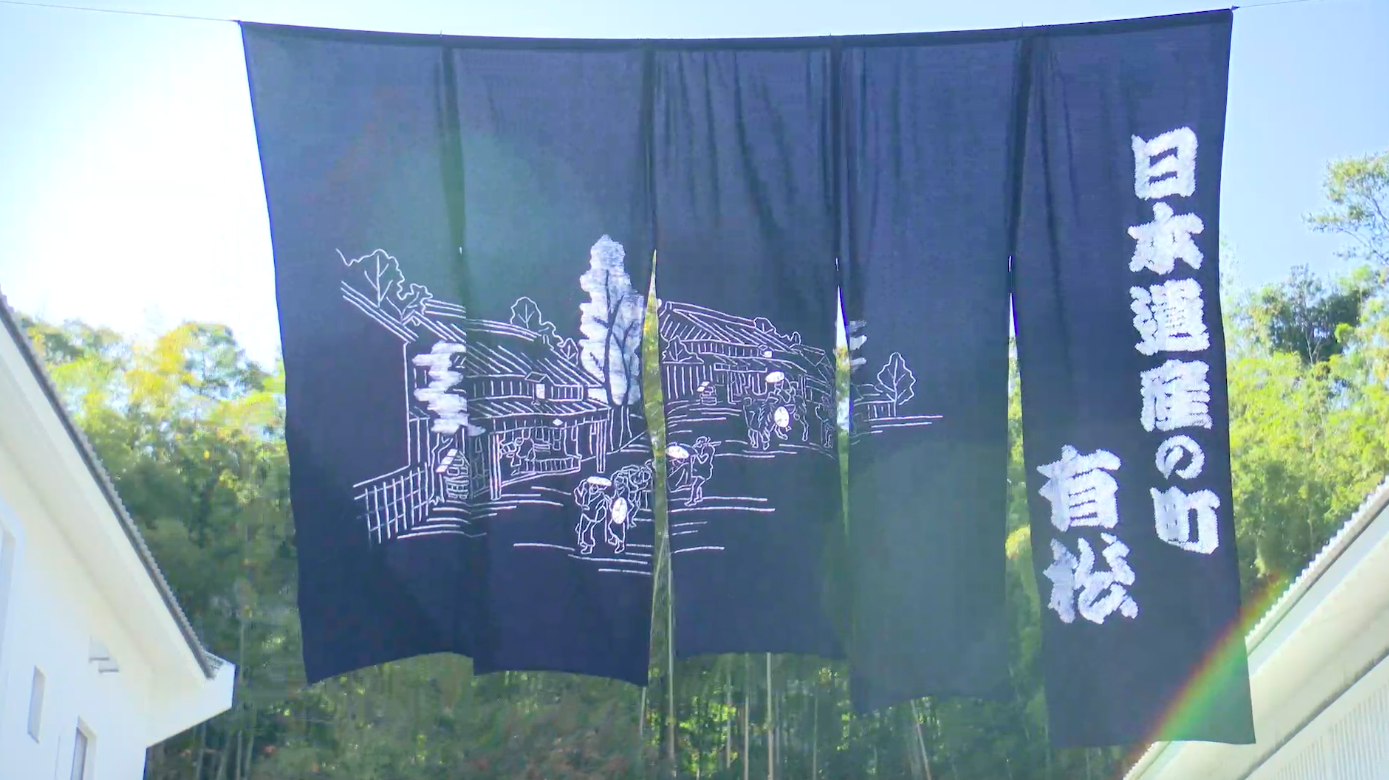
Narumi Shibori of Arimatsu-The Town Where Ai Sways in the Breeze (Aichi Prefecture)
2021 25 minutes[Colors in Japan] The town of Arimatsuis renowned for its tie-dyed "noren" store curtains, crafted using traditional shibori techniques. We explore the passion and dedication of local artisans who continue to practice and innovate in the field of shibori. Click here to preview this episode! Part of the "Colors in...more details -

Idle Sky Journeys
2018 3 minutes 30 secondsThis short series features drone footage of castles and natural landscapes in Miyagi, while also providing local stories and facts about the scenery. We cover everything from footage of oceans, mountains, and man-made architectural masterpieces, in the attempt to introduce all of Miyagi’s charms!more details