FOOD
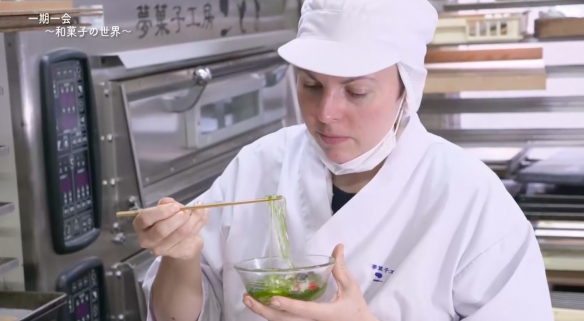
Japanese sweets (Wagashi)- Yokkaichi City, Mie Prefecture
FOOD
2016
30 mins Episode(s): 1
none: None
Japanese


[Beauty of Japan Season 2]
"Each moment, once in a life time."
Charlotte became a Wagashi Japanese sweets maker after she was struck by the "work of art" she saw on display at Japan Week in France. Through living in Japan, she has discovered how closely Japanese sweets are interlaced in people's lives. For her, the beauty of Wagashi sweets represents the beauty of Japan. With her own hands, she expresses the Japanese philosophy "Ichigo ichie": Cherish each moment, as it will not come again.
Part of "Beauty of Japan- Season 2"!
"Each moment, once in a life time."
Charlotte became a Wagashi Japanese sweets maker after she was struck by the "work of art" she saw on display at Japan Week in France. Through living in Japan, she has discovered how closely Japanese sweets are interlaced in people's lives. For her, the beauty of Wagashi sweets represents the beauty of Japan. With her own hands, she expresses the Japanese philosophy "Ichigo ichie": Cherish each moment, as it will not come again.
Part of "Beauty of Japan- Season 2"!
Customers who watch this video also watch
-
Daisen Miyuki -Ancient Dynasty Picture Scroll Revived at Mt. Daisen-
2017 30 mins[Festivals of Japan Season 1] Every three years, a festival is held at Daisen-ji, a temple devoted to worshipping Mount Daisen. Participants walk about 500 meters in a procession dressed in costumes of old and pray for good fortune. Set amidst the wonderful scenery of the magnificent Mount Daisen, this...more details -
Angel, Living in a Loyal Dog's Home- Odate, Akita Prefecture
30 mins[Beauty of Japan Season 2] The Akita dog breed is known for its cuteness, dignity, and for its loyalty to its owner (as described in the famous story of "Hachiko"). Angel, an Israeli living in Odate City, became a breeder after he was charmed by the Akita breed. Through his...more details -
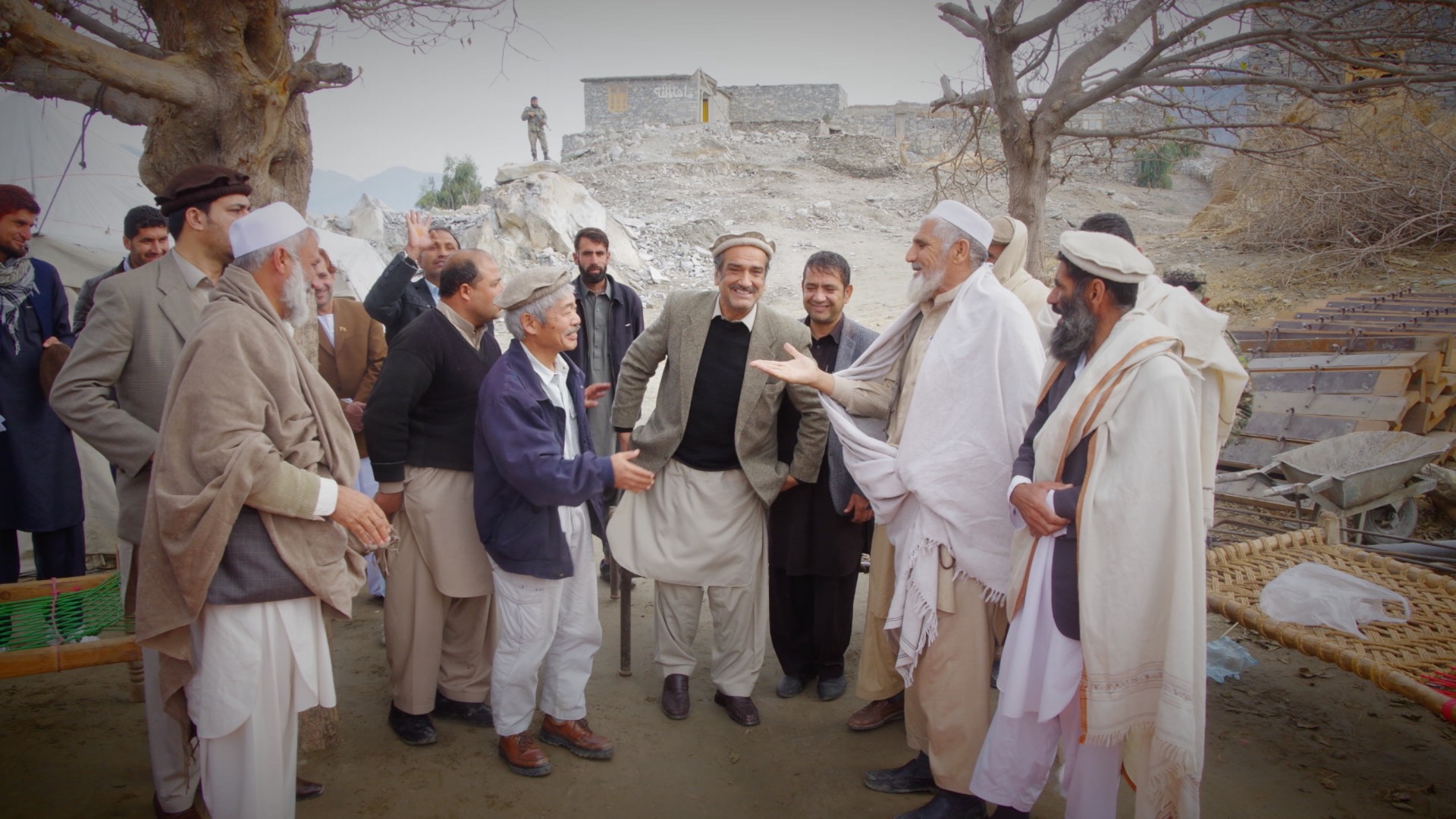
Real Shots of Good - The Legacy of Tetsu Nakamura, M.D.
 2020 2021 World Media Festival Intermedia-globe Silver 2021 New York Festival Finalist In December 2019, Dr. Tetsu Nakamura was gunned down and killed in Afghanistan, where he had been providing humanitarian aid. During his 35 years working on-site, Dr. Nakamura did much more than provide medical care. He dug wells, built...more details
 -
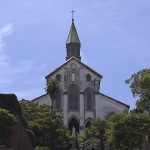
Prayer of the Tenshudo Nagasaki city, Nagasaki Pref.
2014 30mins[Beauty of Japan Season 1] Tenshudo (House of the Lord) is the oldest Roman Catholic church in Japan. Its picturesque location surrounded by beautiful nature is known as a tourist spot in Nagasaki city. The church has been a witness of cultural exchanges with western countries and religious history for...more details