TRAVEL
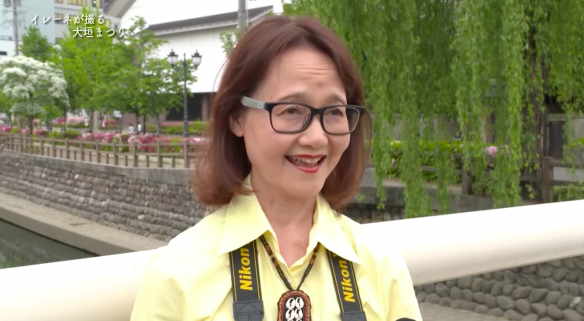
Ogaki Festival seen through the viewfinder of Irene- Ogaki, Gifu Prefecture
TRAVEL
30 mins Episode(s): 1
none: None
Japanese

[Beauty of Japan Season 2]
The Ogaki Festival is held in the samurai town of Ogaki and has a long history that dates back to the Edo period. Thirteen floats are paraded across town during the festival and are considered moving pieces of art. Decorated with minuscule carvings, gorgeous embroidered banners, silver, and mother-of-pearl inlays, they truly are a marvelous sight to behold! How will Irene, a photographer from Argentina, capture the Ogaki Festival's beautiful scenery?
Part of "Beauty of Japan- Season 2"!
The Ogaki Festival is held in the samurai town of Ogaki and has a long history that dates back to the Edo period. Thirteen floats are paraded across town during the festival and are considered moving pieces of art. Decorated with minuscule carvings, gorgeous embroidered banners, silver, and mother-of-pearl inlays, they truly are a marvelous sight to behold! How will Irene, a photographer from Argentina, capture the Ogaki Festival's beautiful scenery?
Part of "Beauty of Japan- Season 2"!
Customers who watch this video also watch
-

Wonderful Dreams in a Monochrome World- Toyama Prefecture
2018 30 mins[Beauty of Japan Season 2] Jack Lee Randall is a shadow artist from the United States. He made the fateful decision to settle down in Toyama Prefecture after visiting there on one of his shows. His shadow performances evoke a sense of nostalgia in his spectators, and are full of...more details -
Art and excellence of Craftsmanships Katsushika, Tokyo
2015 30mins[Beauty of Japan Season 1] Katsushika ward in downtown Tokyo is one of a few cities where many craftsmen known as “Shokunins” still exist. Many of them work with skills used since the Edo or Meiji periods (late 19th century). The traditional crafts that they create through careful study of...more details -
Charmed by the Kindness of the Community - Izumo, Shimane Prefecture
2019 30 mins[Beauty of Japan Season 2] Michelle married a Japanese man and moved to a beautiful nature-filled mountain village in Izumo, Shimane Prefecture. She believes that the true “beauty of Japan” lies in the kindness displayed by the people of her local community. We follow Michelle’s life within the village as...more details -

Omanto Festival -Land on This Horse-
2018 30 mins[Festivals of Japan Season 2] The Omanto Festival of Aichi Prefecture is a much-loved festival passed down since the Edo period. The highlight of this festival is held at a circular run where young men display their courage by jumping onto horses traveling at 40 km/hour. The locals of this...more details