TRAVEL

NEXT5: the future of Sake makers
Akita city, Akita Pref.
TRAVEL
2014
30mins Episode(s): 1
english
Japanese


[Beauty of Japan Season 1]
'NEXT5' is a team of 5 young Sake brewers from Akita city who stood up against the decrease of national Sake consumption. They are not only entrepreneurs but also physically use their own hands to brew their Sakes, while Sake makers generally rely on the 'Touji' (Sake artisans).
The camera follows their collaborative project to produce a sake brand.
*Part of 'Beauty of Japan' series.
Click here to preview this episode!
'NEXT5' is a team of 5 young Sake brewers from Akita city who stood up against the decrease of national Sake consumption. They are not only entrepreneurs but also physically use their own hands to brew their Sakes, while Sake makers generally rely on the 'Touji' (Sake artisans).
The camera follows their collaborative project to produce a sake brand.
*Part of 'Beauty of Japan' series.
Click here to preview this episode!
Customers who watch this video also watch
-
The Eyes that Survey an Ever-Changing City- Shibuya, Tokyo
2019 30 mins[Beauty of Japan Season 2] When asked where they would like to visit in Japan, the most popular answer that foreign tourists give is “Shibuya.” Yet with major developments planned, the site is about to change drastically. We shift our view to observe “Shibuya” from the perspective of foreigners and...more details -
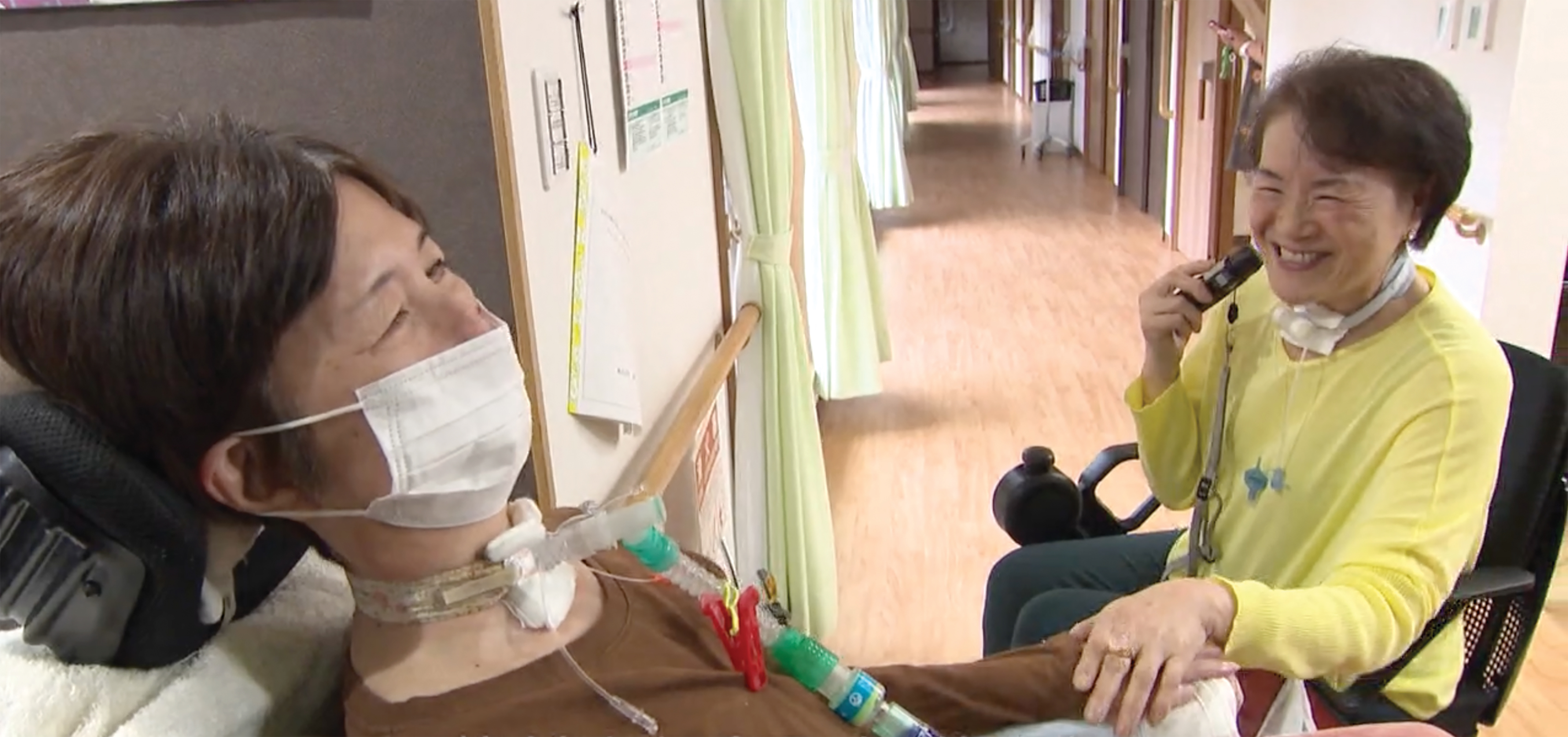
Live Life Laughing - A Place with Purpose -
 2025 2026 New York Festivals Finalist Care Support Shiho was founded in 2021 by Shioko Se, who lives with ALS. As a resident herself, Shioko established the group home to provide a high level of medical care and a comfortable living environment with 24-hour support. She is deeply involved in the...more details
 -

Kiraigo -800 Years of Performing Hell Theater-
2018 30 mins[Festivals of Japan Season 2] The stage is set in hell. Demons curse and berate the sinner who has committed a terrible crime. The only play in Japan ever to be set in hell, the "Kiraigo" of Yokoshibahikari Town, Chiba Prefecture, has had a history of 800 years. Yet despite...more details -

Guriri
2011 23 minGuriri is a cute character who lives in a forest in Miyagi Prefecture. He has adventures with all his furry forest friends, and you can join in the fun songs, dancing, drawing, and joking with them! The characters also have an important message for kids about what they can do...more details