FOOD
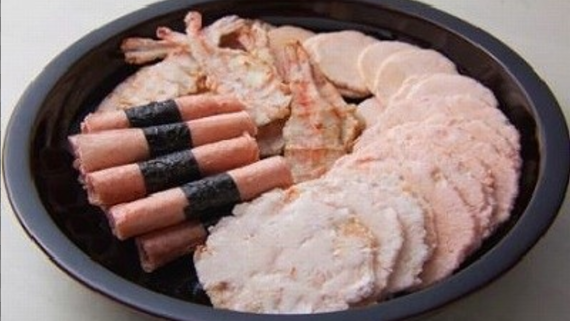
'Ebi Senbei': Shrimp Crackers
Nishio city, Aichi Pref.
FOOD
2015
30 minutes Episode(s): 1
english
Japanese


[Food of Japan Season 1]
Ebi Senbei is a rice cracker made from rice with fresh shrimp. Nishio City is said to be where Ebi Senbei was first made. For almost 100 years Ebi Senbei makers in Mikawa Isshiki Town have been developing their flavors and production process while keeping tradition in mind. The camera follows the history of Ebi Senbei and current producers' plans for the future of these savory crackers.
Click here to preview this episode!
Part of the "Food of Japan Series"!
Ebi Senbei is a rice cracker made from rice with fresh shrimp. Nishio City is said to be where Ebi Senbei was first made. For almost 100 years Ebi Senbei makers in Mikawa Isshiki Town have been developing their flavors and production process while keeping tradition in mind. The camera follows the history of Ebi Senbei and current producers' plans for the future of these savory crackers.
Click here to preview this episode!
Part of the "Food of Japan Series"!
Customers who watch this video also watch
-

The Life Work of a 92-Year-Old Hibakusha, Setsuko Thurlow
2024 25 minutesAt the age of 13, Setsuko Thurlow experienced the atomic bombing in Hiroshima. Now living in Canada, she has spent more than half a century advocating for nuclear disarmament. At 92 years old, she continues to press forward in her mission. This program closely follows her life in Canada, documenting...more details -

Professor in a Spiritual City- Ise City, Mie Prefecture
30 mins[Beauty of Japan Season 2] The Kogakkan University, located in the holy city of Ise, offers programmes which teach students Japanese traditions and history based on Shintoism. This is where Christopher, an American Professor, gives his lectures. What are the main ideas he wants to teach students studying in this...more details -
Reintroducing Arita Ware to the World
2017 49 minutes‘Aritayaki’ originates from pottery brought back and baked by Toyotomi Hideyoshi from Korea in 1616. This specific style of pottery has been passed down through many generations for over 400 years. This documentary shows the beauty of ‘Aritayaki’ and the history behind it. Check here to preview the program!more details -
Father and Son -Buddhist Statue Carving-
2015 30 mins[Craft Masters of Japan] The Buddhist statue carvings of Nagakute, Aichi Prefecture, are elaborately decorative and have been passed down for many generations. The Eba Buddha Wooden Sculpture Studio practices this crafting tradition and is owned by a father and son sculpting duo. Under the same roof, father Rinzou Eba,...more details