ENTERTAINMENT
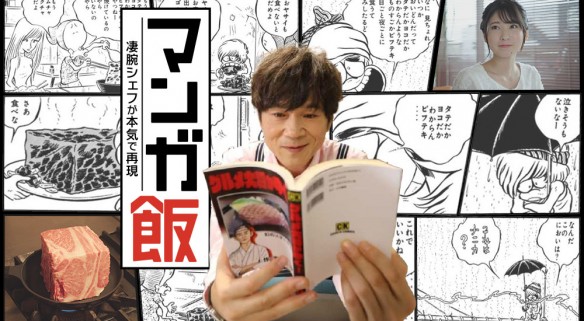
Manga Food Restaurant
ENTERTAINMENT
2018
55 min Episode(s): 5
english
Japanese

This series follows two fictional characters, Kenjiro Tabe, an office worker with a passion for food found in manga, and Chinatsu Yamamoto, his subordinate. Together, the pair visit real-life restaurants challenging chefs to recreate various meals featured in legendary gourmet mangas. From a monster-sized 20 cm x 20 cm steak to a fried croquette with three different Japanese dishes packed inside, the foods featured in this program are all ridiculously creative, ridiculously delicious, and ridiculously fun to look at!
Click here to preview this program!
Click here to preview this program!
Customers who watch this video also watch
-
Takaoka Mikuruma-yama Festival -Turning the Wheels of Tradition-
2018 30 mins[Festivals of Japan Season 2] The Takaoka Mikuruma-yama Festival in Toyama Prefecture was registered as a UNESCO Intangible Cultural Asset in December 2016. With the creaking sounds of the turning wheels, the seven lavish floats make their way along the same route they have gone since ancient times, pushed onwards...more details -
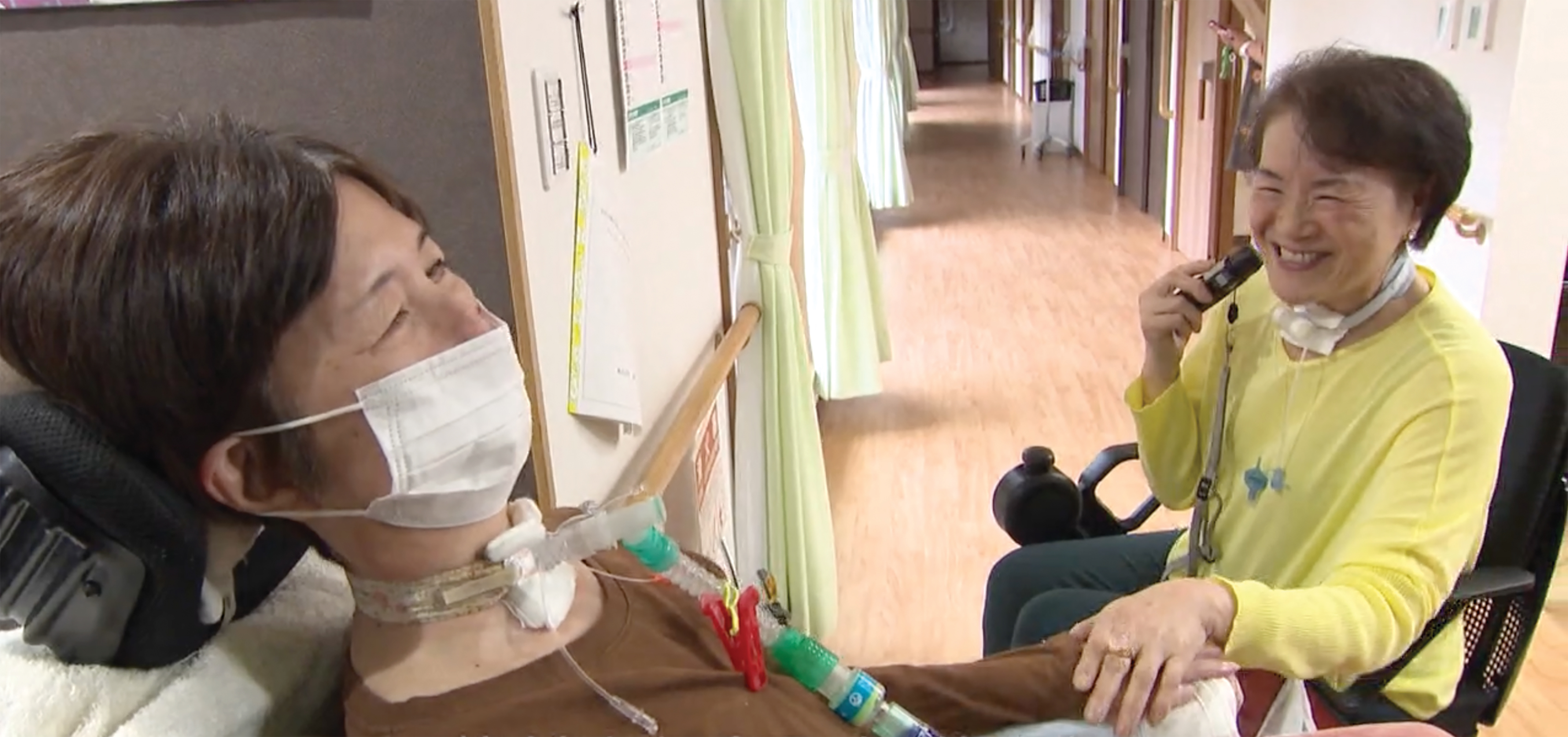
Live Life Laughing - A Place with Purpose -
 2025 2026 New York Festivals Finalist Care Support Shiho was founded in 2021 by Shioko Se, who lives with ALS. As a resident herself, Shioko established the group home to provide a high level of medical care and a comfortable living environment with 24-hour support. She is deeply involved in the...more details
 -
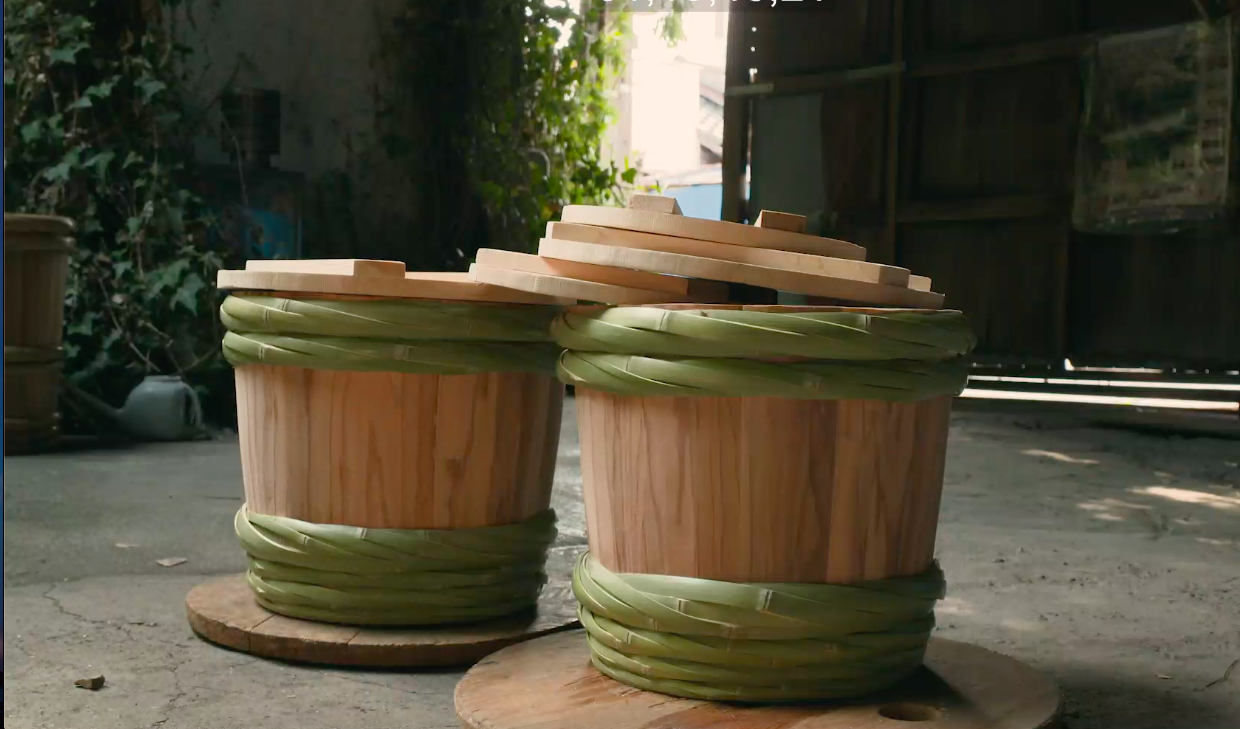
Wooden Barrels of Tochigi -Time Etched by the Color of Old Bamboo (Tochigi Prefecture)
2021 25 minutes[Colors in Japan] Tochigi City has a long history of producing wooden barrels for fermenting food. Despite the rise of plastic containers, one dedicated craftsman continues to make barrels using traditional techniques. The barrels are crafted from cedar heartwood and tied with local timber bamboo. Click here to preview this...more details -
Festivals of Japan Series- Season 2
2018 30 minsThis is the second season of the Festivals of Japan Series, which introduces various festivals around Japan. In this season, we will explore the festivals themselves, their histories, and the people responsible for preserving, cherishing, and passing on their traditions. From ancient processions, giant paper floats, fire festivals, and even...more details