DOCUMENTARY
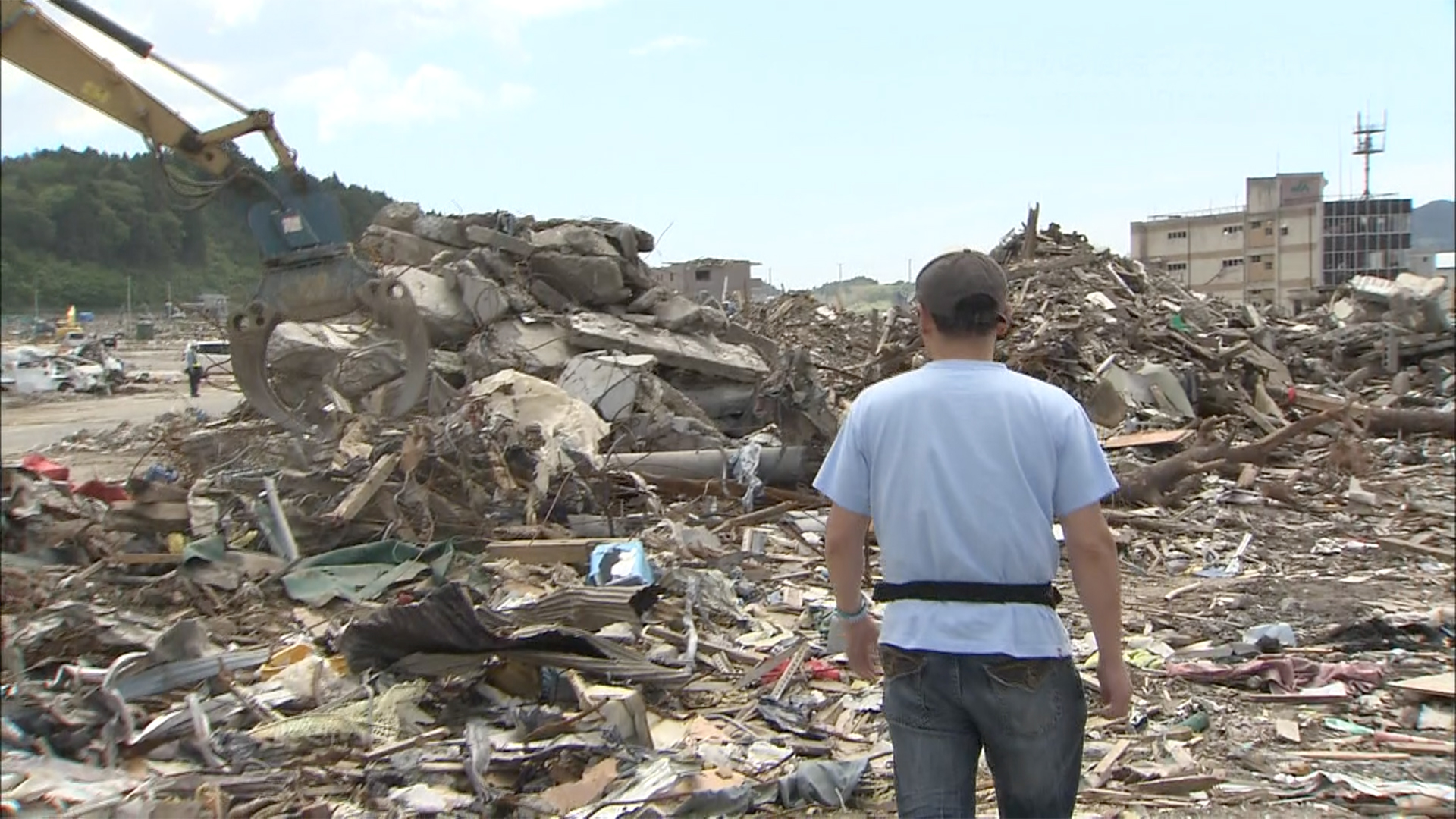
Rikuzentakata City: 10 Years in the Rebuilding of a Town from Zero
DOCUMENTARY
2021
49 mins Episode(s): 1
english
English

The city of Rikuzentakata in Iwate Prefecture had a two-kilometer stretch of shoreline covered with 70,000 pine trees that was ranked among the top 100 landscapes of Japan. On March 11, 2011, the city and shoreline were obliterated by the infamous tsunami which struck that day. This documentary follows the people of Rikuzentakata for 10 years from immediately after the earthquake, and it also highlights the 1.66 billion yen reconstruction project to rebuild the city from scratch 10 meters higher on the original disaster site.
Click here to preview the program!
Click here to preview the program!
Customers who watch this video also watch
-
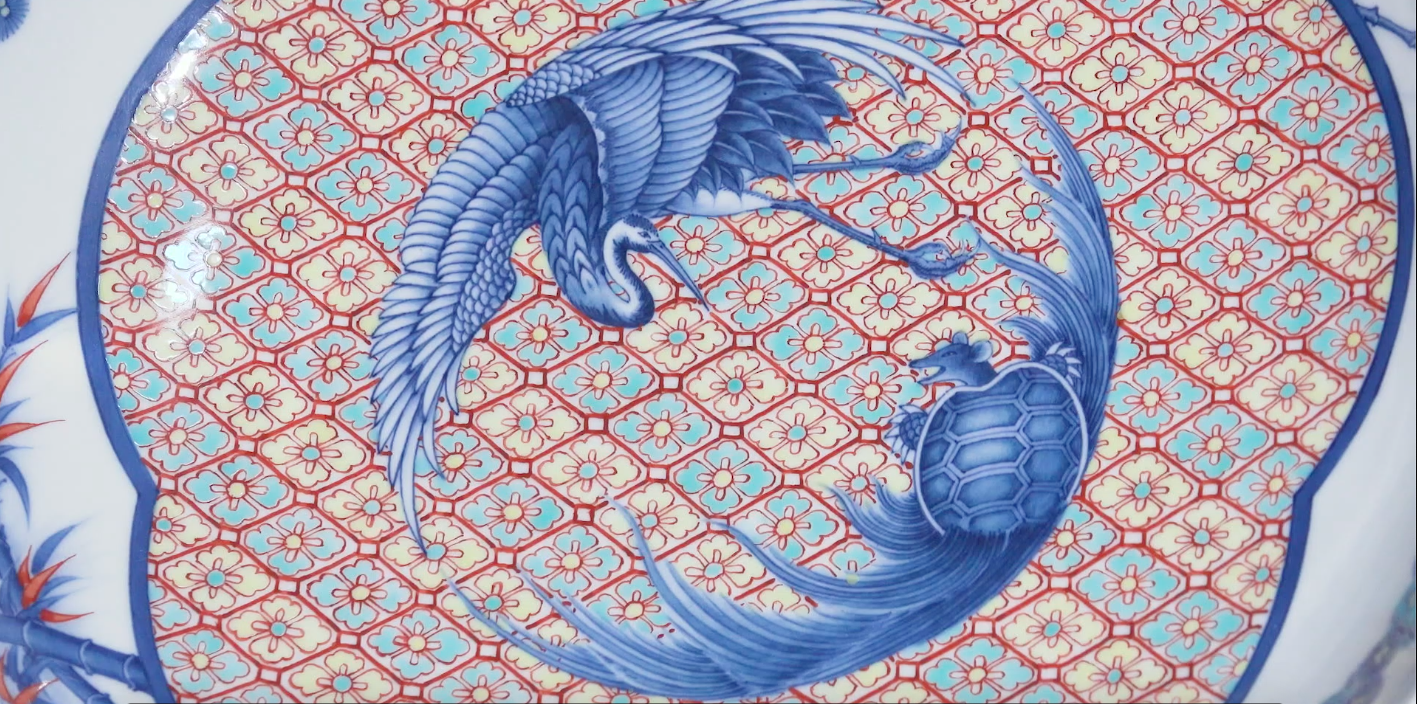
Nabeshima Ware, Favored Feudal Lords (Saga Prefecture)
2021 25 minutes[Colors in Japan] During Japan's Edo period, the NabeshimaClan produced pottery known as "Nabeshimaware." Renowned for their intricate designs and vibrant colors, today, artisans in Okawauchiyama continue to uphold this centuries-old tradition, crafting exquisite pieces. Click here to preview this episode! Part of the "Colors in Japan" series!more details -
Me and Another Me - Living with Tourette Syndrome -
 2024 2025 WorldMediaFestivals Silver 2025 WorldMediaFestivals Special Award: Global Awareness 2025 US International Awards: Silver This program confronts the hidden struggles of Tourette's syndrome in Japan, a neurological condition marked by involuntary tics that affect many yet remain widely misunderstood. Through the insights from experts and personal accounts and the poignant...more details
 -
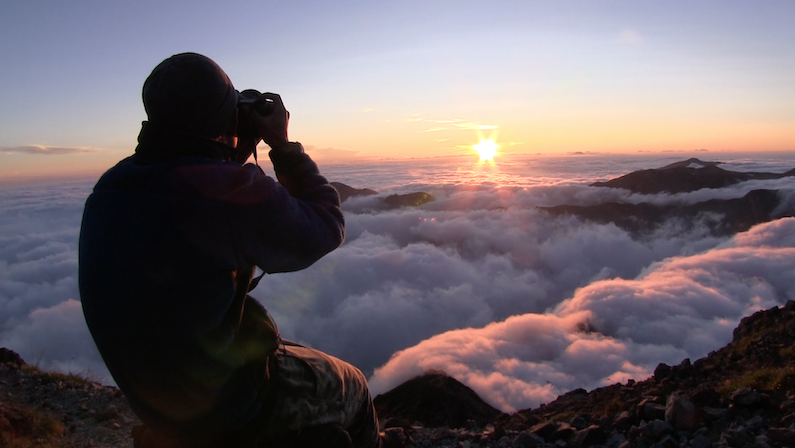
At the Top of the Sky ~The Yarigatake Hut's 100 Years Story ~
2019 104 minIn April 2017, Daisuke decided to quit his job at a major mobile phone company and become the 4th generation successor of the "Yarigatake Sanso" mountain hut located on one of the most renowned mountains in the Japanese Alps. From an early age, he was brought to Yarigatake by his...more details -
Dad's War
2016 47min“Warship-Musashi” is a nonfiction novel that was written based on many testimonies from those involved in the construction as well as those who survived the sinking of Musashi. One of the witnesses is Haruo Nomura. He is my dad. We knew very little about him. Born in 1921, he graduated...more details