TRAVEL
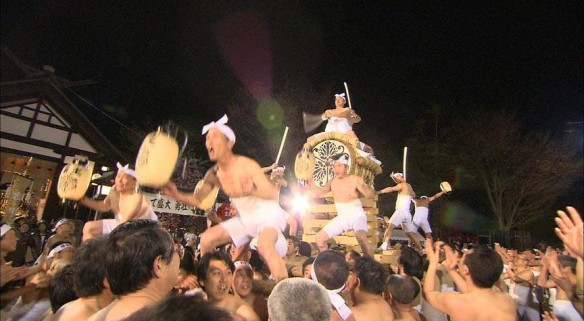
Traditional Festivals of Japan
TRAVEL
2009
55 mins Episode(s): 5
English
English

Shrines and temples like Ise Jingu Shrine with a history of 2000 years are carefully preserved all over Japan. Traditional cultural festivals are held all over the country that take place in these very special shrines and temples.
Five of these famous festivals have been captured on camera and each program reports the traditional culture in the region where the festival is taking place, as well as the people who passionately participate in the festival.
Five of these famous festivals have been captured on camera and each program reports the traditional culture in the region where the festival is taking place, as well as the people who passionately participate in the festival.
Customers who watch this video also watch
-
The Reason I Work Here- Shinagawa, Tokyo
2018 30 mins[Beauty of Japan Season 2] Yugo Matsumoto is an Englishman who owns a popular café in Shinagawa, Tokyo, where customers of all age groups stop by to spend their time. What are the reasons behind the café’s popularity? In this episode, we observe Japan through the eyes of an Englishman...more details -
Rene's Swimming Gems: the Nishiki Koi- Nagaoka, Niigata
2019 30 mins[Beauty of Japan Season 2] The Nishiki Koi boasts a beauty that earns it its nickname, "the Swimming Gem". In Nagaoka City in Niigata, many of the koi fish bred there are sold to Western and Asian countries and attract the attention of Japanese koi fish lovers from all over...more details -
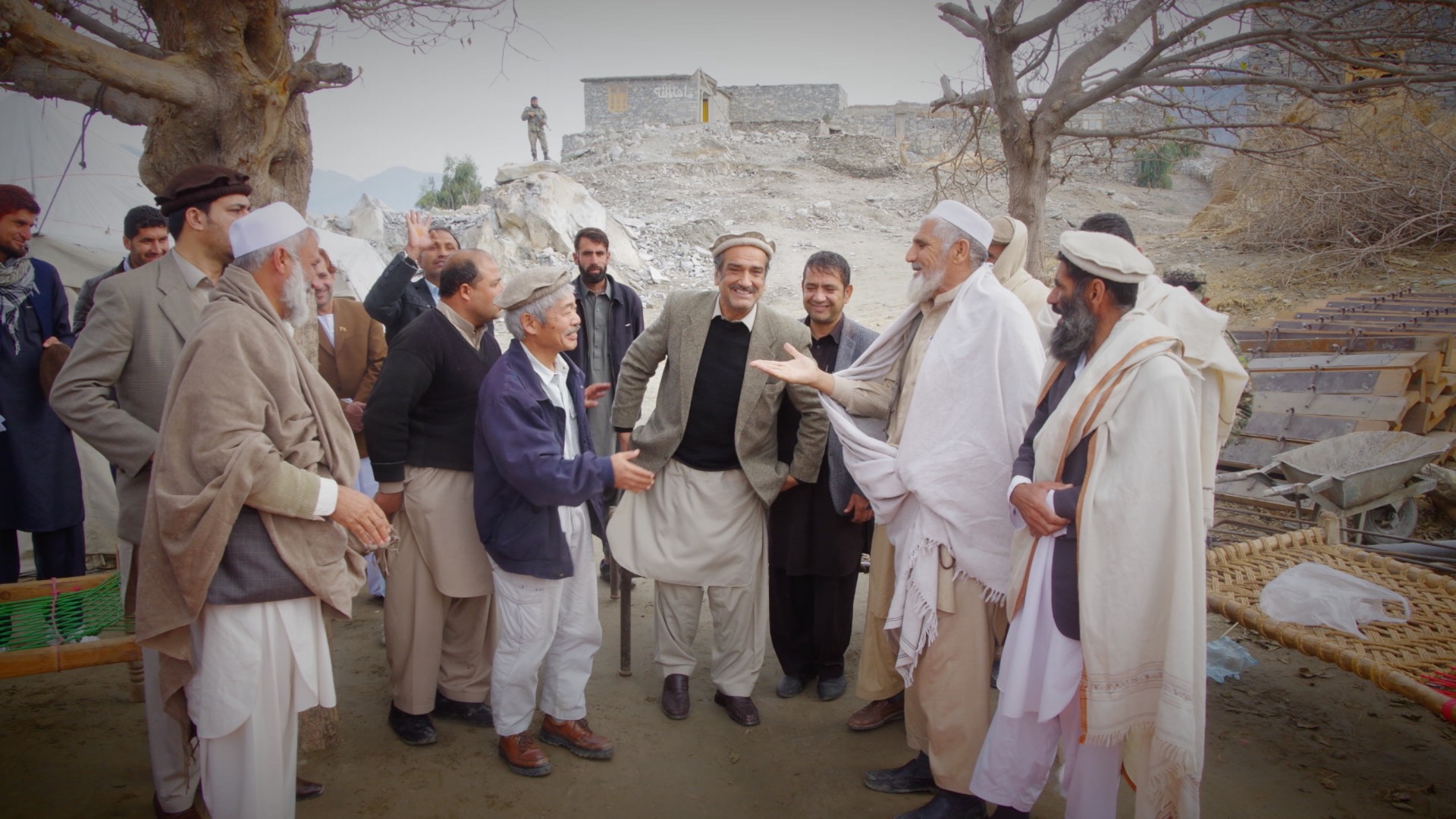
Real Shots of Good - The Legacy of Tetsu Nakamura, M.D.
 2020 2021 World Media Festival Intermedia-globe Silver 2021 New York Festival Finalist In December 2019, Dr. Tetsu Nakamura was gunned down and killed in Afghanistan, where he had been providing humanitarian aid. During his 35 years working on-site, Dr. Nakamura did much more than provide medical care. He dug wells, built...more details
 -
Dad's War
2016 47min“Warship-Musashi” is a nonfiction novel that was written based on many testimonies from those involved in the construction as well as those who survived the sinking of Musashi. One of the witnesses is Haruo Nomura. He is my dad. We knew very little about him. Born in 1921, he graduated...more details