TRAVEL
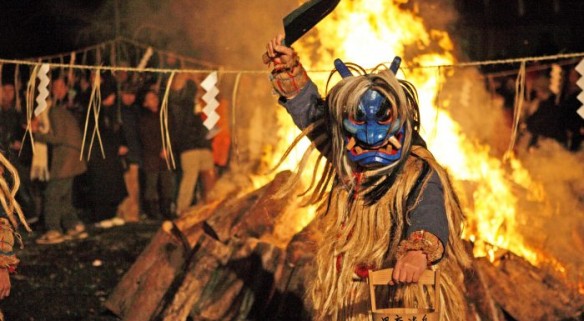
The Namahage Sedo Festival -Oga Peninsula-
TRAVEL
2017
30 mins Episode(s): 1
english
Japanese


[Festivals of Japan Season 1]
The Namahage of Akita is an Intangible Folk Cultural Property of Japan that is both extremely popular and well-recognized. One of the three largest festivals in Japan, the "Namahage Sedo Festival" is a combination of this "Namahage" and local shrine festivities. This episode describes the different events of this festival, which include the reenactment of the Namahage rituals, and their descent from the snowy mountains, while also introducing the people responsible for passing down this tradition.
Click here to preview the program!
Part of "Festivals of Japan - Season 1".
The Namahage of Akita is an Intangible Folk Cultural Property of Japan that is both extremely popular and well-recognized. One of the three largest festivals in Japan, the "Namahage Sedo Festival" is a combination of this "Namahage" and local shrine festivities. This episode describes the different events of this festival, which include the reenactment of the Namahage rituals, and their descent from the snowy mountains, while also introducing the people responsible for passing down this tradition.
Click here to preview the program!
Part of "Festivals of Japan - Season 1".
Customers who watch this video also watch
-
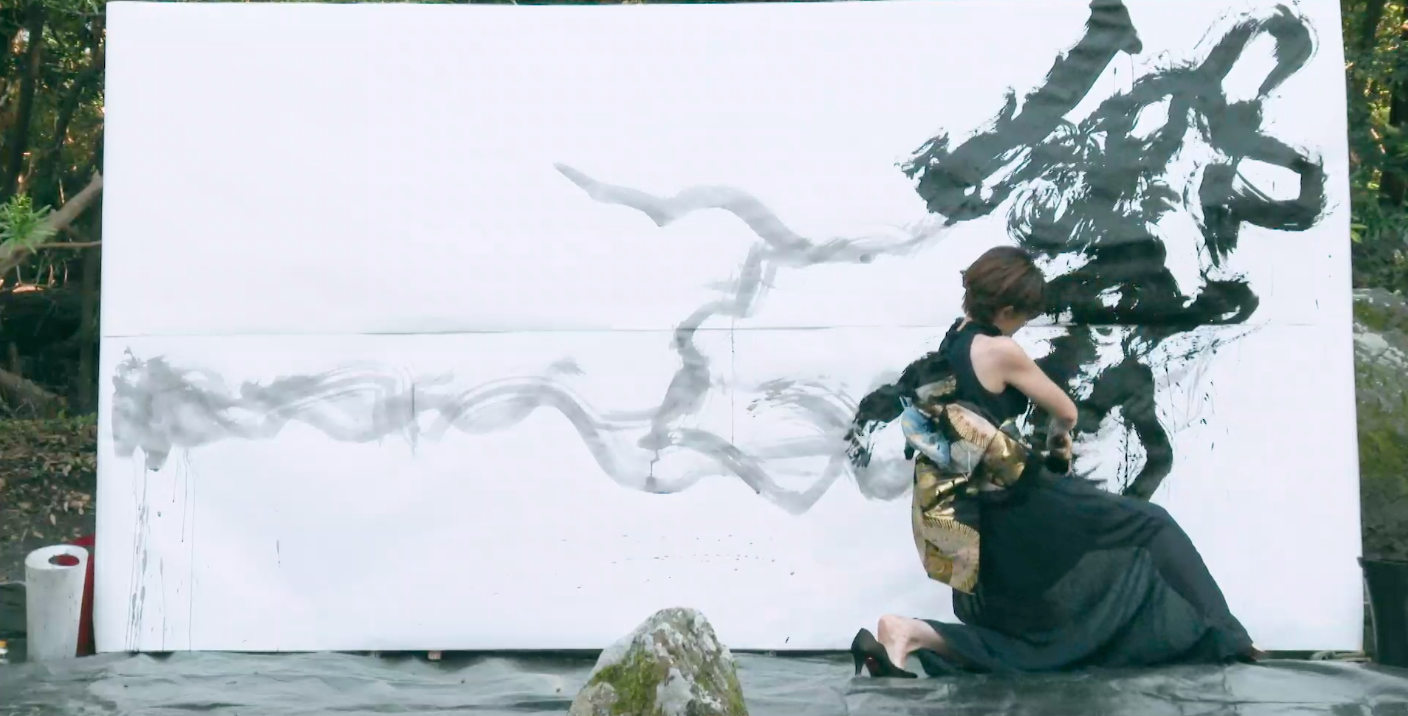
Paint It Black! A Calligrapher's Challenge (Yamaguchi Prefecture)
2021 25 minutes[Colors in Japan] Gasho Nishioka, a renowned “sho” (calligrapher) from KudamatsuCity, Yamaguchi Prefecture, is pushing the boundaries of traditional Japanese calligraphy. Known for using only black “sumi” ink, Nishioka seeks to innovate while preserving the timeless beauty of this ancient art form. Click here to preview the episode! Part of...more details -
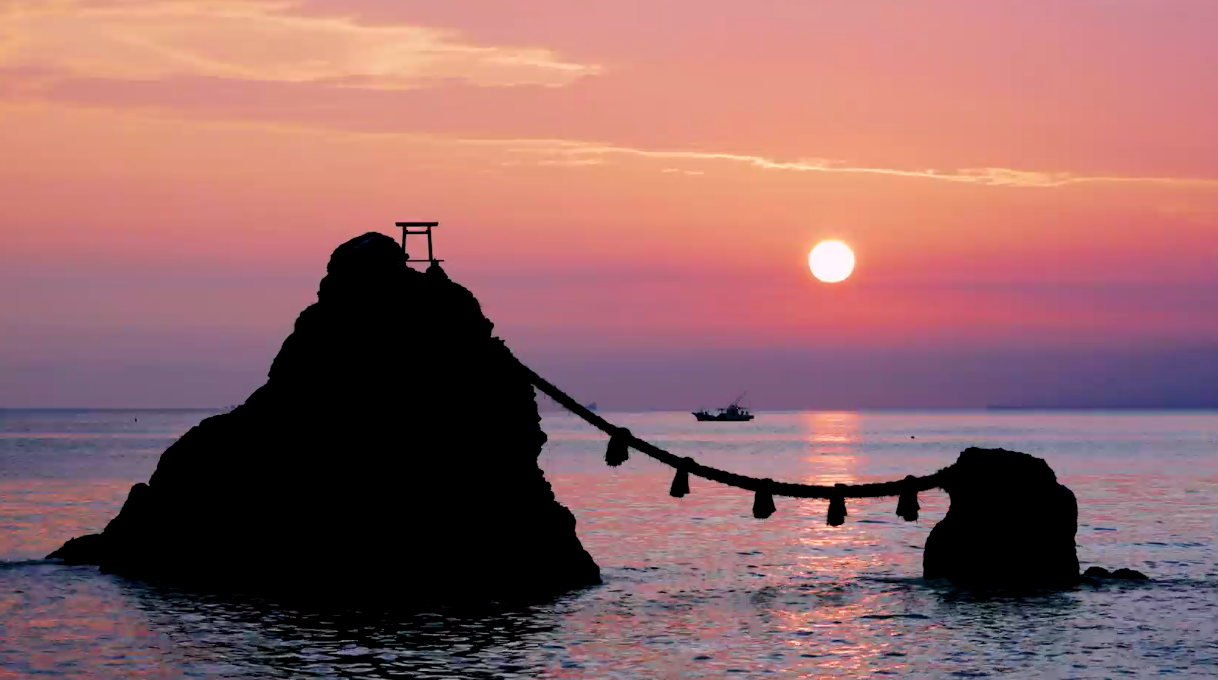
Meoto Iwa-Enchanted by the Rising Sun Miracle (Mie Prefecture)
2021 25 minutes[Colors in Japan] MeotoIwa (The Married Couple Rocks), a famous rock formation in Ise City, Mie Prefecture, offers a unique natural spectacle during the summer solstice. We follow photographers who flock to the site to capture the awe-inspiring phenomenon of the sun rising over Mt. Fuji between the rocks. Click...more details -
Oshima and Jacques the Baker- Niihama, Ehime Prefecture
30 mins[Beauty of Japan Season 2] Oshima is a small island on the Seto Inland Sea with a population of just 250 people. Swiss native, Jacques moved to the peaceful island with his wife Etsuko. He runs a small bakery and a farm on this remote island, enjoying a peaceful and...more details -
Aigi Tunnels: The restoration of an industrial treasure Kasugai city, Aichi Pref.
2014 30mins[Beauty of Japan Season 1] The Aigi Tunnels were constructed for the national railway between Aichi prefecture and Gifu prefecture back in the Meiji period (early 19th Century) and had been abandoned for many years. Those forgotten tunnels have been beautifully restored by supporters and are now designated as part...more details