TRAVEL
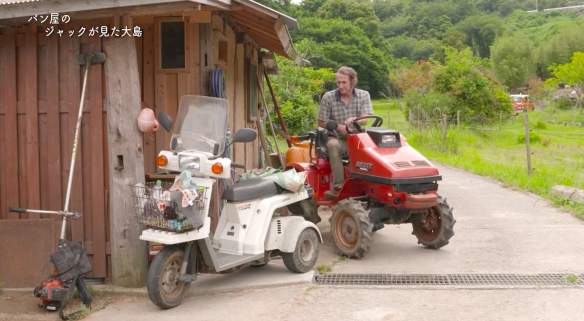
Oshima and Jacques the Baker- Niihama, Ehime Prefecture
TRAVEL
30 mins Episode(s): 1
none: None
Japanese

[Beauty of Japan Season 2]
Oshima is a small island on the Seto Inland Sea with a population of just 250 people. Swiss native, Jacques moved to the peaceful island with his wife Etsuko. He runs a small bakery and a farm on this remote island, enjoying a peaceful and productive life surrounded by nature. In this episode, we take a look at the charms of living on Oshima Island, and why Jacques and his wife decided to settle down there!
Part of "Beauty of Japan- Season 2"!
Oshima is a small island on the Seto Inland Sea with a population of just 250 people. Swiss native, Jacques moved to the peaceful island with his wife Etsuko. He runs a small bakery and a farm on this remote island, enjoying a peaceful and productive life surrounded by nature. In this episode, we take a look at the charms of living on Oshima Island, and why Jacques and his wife decided to settle down there!
Part of "Beauty of Japan- Season 2"!
Customers who watch this video also watch
-
Dad's War
2016 47min“Warship-Musashi” is a nonfiction novel that was written based on many testimonies from those involved in the construction as well as those who survived the sinking of Musashi. One of the witnesses is Haruo Nomura. He is my dad. We knew very little about him. Born in 1921, he graduated...more details -
Daisen Miyuki -Ancient Dynasty Picture Scroll Revived at Mt. Daisen-
2017 30 mins[Festivals of Japan Season 1] Every three years, a festival is held at Daisen-ji, a temple devoted to worshipping Mount Daisen. Participants walk about 500 meters in a procession dressed in costumes of old and pray for good fortune. Set amidst the wonderful scenery of the magnificent Mount Daisen, this...more details -
The life in Kita-Shinano, Nagano Prefecture
30 mins[Beauty of Japan Season 2] Kita-Shinano district in Nagano Prefecture is famous for its beautiful nature and four seasons. The district is home to many non-Japanese residents from all over the world. This documentary follows the lives of such foreign residents and details what they believe is the true beauty...more details -
Rice Pasta that Makes the World Smile- Himeji, Hyogo Prefecture
2019 30 mins[Beauty of Japan Season 2] Claudia was born in Florence, Italy, and currently runs a restaurant called “Pasta Sorriso” with her husband in Himeji, Hyogo Prefecture. In Italian, sorriso means “smile” and riso means “rice”. So “Pasta Sorriso” can be interpreted to mean “Rice Pasta that Makes the World Smile”....more details