TRAVEL
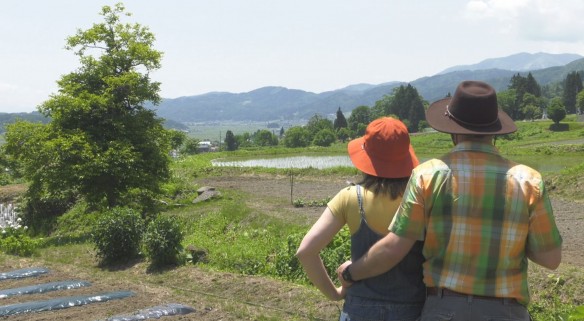
Our Lives as Immigrants- Iiyama, Nagano Prefecture
TRAVEL
2019
30 mins Episode(s): 1
none: None
Japanese


[Beauty of Japan Season 2]
An American and English couple have lived in Iiyama City for 3 years. They earn their living through teaching English at schools within the vicinity, but wish to become farmers instead. Their excitement expands as they map out their future lives growing safe and healthy vegetables and having a goat in the garden. But their dreams don’t just end there…!
Part of "Beauty of Japan- Season 2"!
An American and English couple have lived in Iiyama City for 3 years. They earn their living through teaching English at schools within the vicinity, but wish to become farmers instead. Their excitement expands as they map out their future lives growing safe and healthy vegetables and having a goat in the garden. But their dreams don’t just end there…!
Part of "Beauty of Japan- Season 2"!
Customers who watch this video also watch
-

Grandma Takes the Mic
2024 30 minutesOkihara Tatsuyo is a budding comedian who entered the world of stand-up at the age of 71. We follow 'Grandma, who is spending her golden years pursuing her dream, and discover her passion for lífe. Click here to preview the program!more details -

Beauty of Japan Series- Season 2
2018 30 minsThere are 2.5 million people from all over the world currently living in Japan. How did they end up there? What drew them to come to Japan in the first place? Or more importantly, what made them want to stay? In this series, we take a look at various non-Japanese...more details -
Father and Son -Buddhist Statue Carving-
2015 30 mins[Craft Masters of Japan] The Buddhist statue carvings of Nagakute, Aichi Prefecture, are elaborately decorative and have been passed down for many generations. The Eba Buddha Wooden Sculpture Studio practices this crafting tradition and is owned by a father and son sculpting duo. Under the same roof, father Rinzou Eba,...more details -
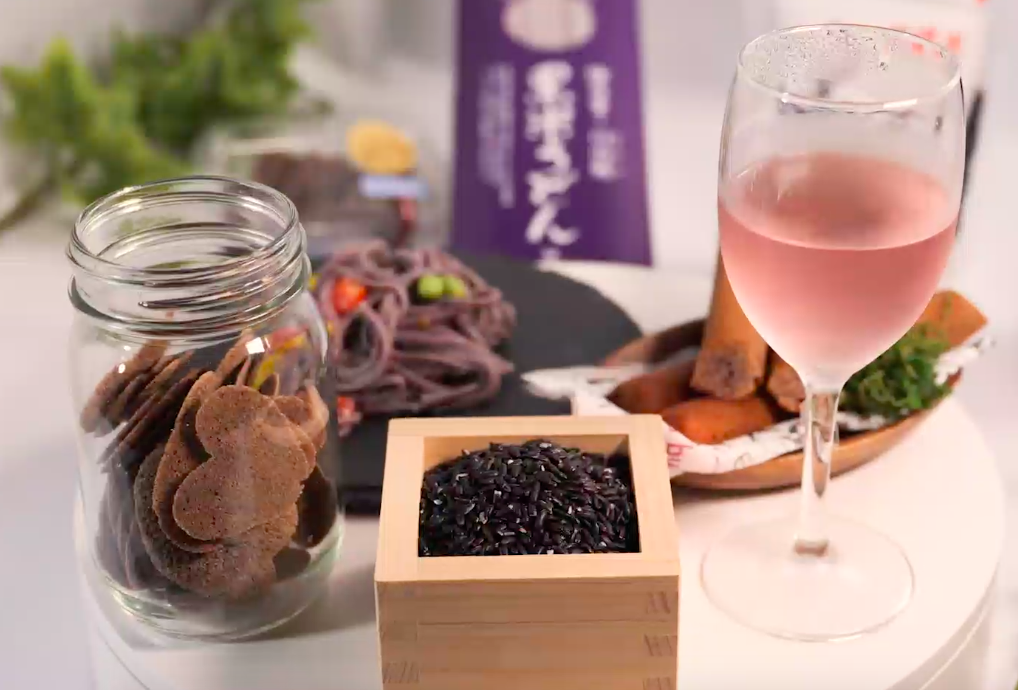
Superfood: Black Rice of Kawachino(Saga Prefecture)
2021 25 minutes[Colors in Japan] Originating in Imari, Saga Prefecture, black rice has been cultivated for centuries. Renowned for its nutritional value and potential beauty benefits, this ancient grain continues to inspire culinary innovation. Click here to preview the program! Part of the "Colors in Japan" series!more details