FOOD
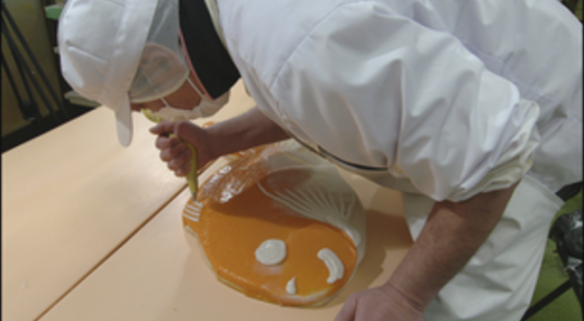
Decorated Festivity Dish: Kamaboko surimi
Toyama city, Toyama Pref.
FOOD
2015
30 minutes Episode(s): 1
english
Japanese


[Food of Japan Season 1]
Tai (Sea Bream) is a symbol of happy occasions in Japan. Kamaboko is a type of surimi; a processed seafood product made from white fish purée, formed into shapes, steamed until fully cooked, and served hot or cold. Tai-shaped Kamaboko is a must-have on festive occasions in Toyama. In this documentary, the camera focuses on the passions of artisans who make the biggest decorated Kamaboko in Japan and their regional food culture.
Click here to preview this episode!
Part of the "Food of Japan Series"!
Tai (Sea Bream) is a symbol of happy occasions in Japan. Kamaboko is a type of surimi; a processed seafood product made from white fish purée, formed into shapes, steamed until fully cooked, and served hot or cold. Tai-shaped Kamaboko is a must-have on festive occasions in Toyama. In this documentary, the camera focuses on the passions of artisans who make the biggest decorated Kamaboko in Japan and their regional food culture.
Click here to preview this episode!
Part of the "Food of Japan Series"!
Customers who watch this video also watch
-
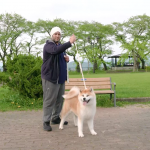
Angel, Living in a Loyal Dog's Home- Odate, Akita Prefecture
30 mins[Beauty of Japan Season 2] The Akita dog breed is known for its cuteness, dignity, and for its loyalty to its owner (as described in the famous story of "Hachiko"). Angel, an Israeli living in Odate City, became a breeder after he was charmed by the Akita breed. Through his...more details -
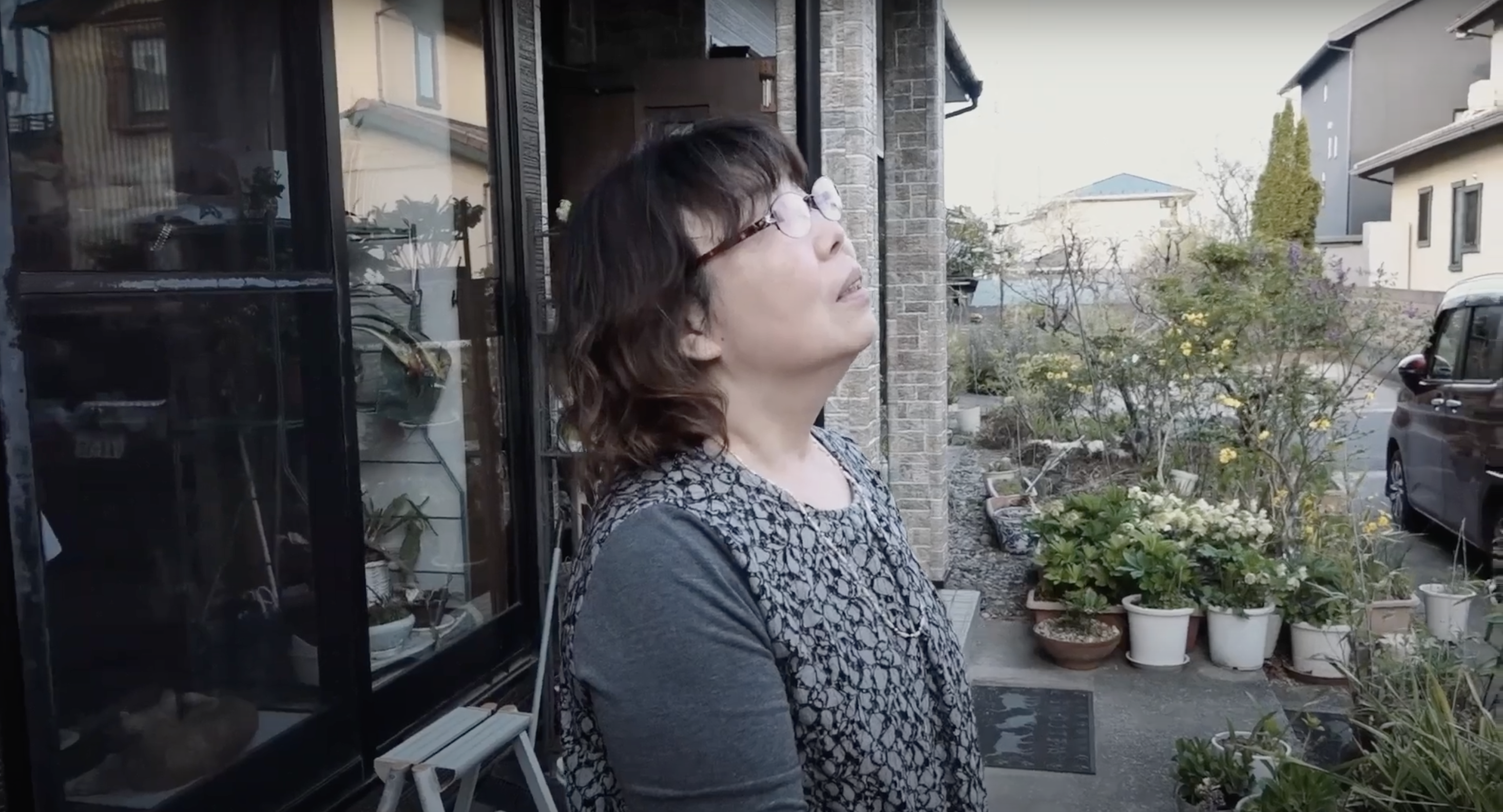
Live! Just Live!
 2025 2025 World Media Festivals: Silver Thirteen years after the Great East Japan Earthquake and the nuclear power plant accident, mental health issues such as delayed-onset PTSD have been on the rise in Fukushima. Dr. Aritsuka spends his days listening to the voices of many patients. Mr. Yonekura, from the NPO...more details
 -

Love Hokkaido
2012 24 mins‘Love Hokkaido’ is a program which attempts to show Hokkaido from a foreigner's perspective, as well as prompt locals to rediscover the delights of their own backyard. The show will present the best of Hokkaido’s nature, culture, food, and lifestyle weekly. The main focus is on Hokkaido cuisine, as the...more details -
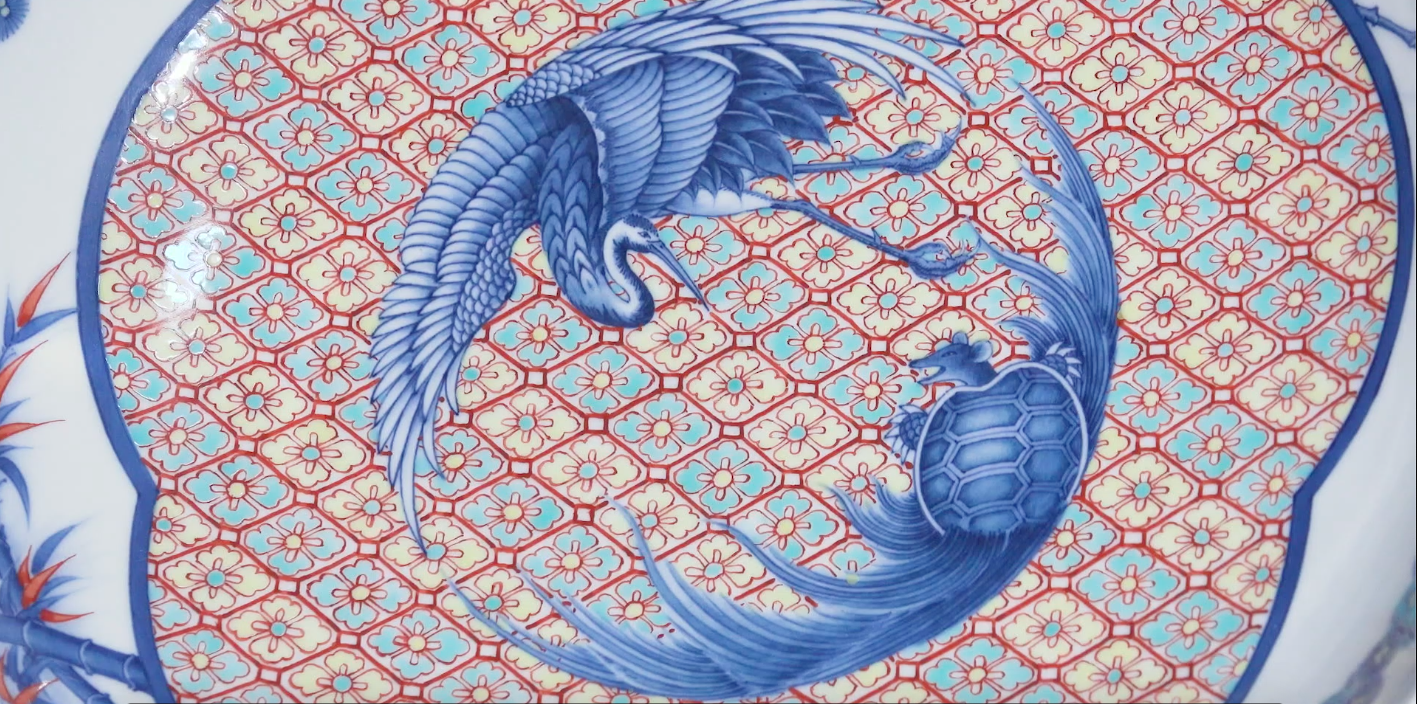
Nabeshima Ware, Favored Feudal Lords (Saga Prefecture)
2021 25 minutes[Colors in Japan] During Japan's Edo period, the NabeshimaClan produced pottery known as "Nabeshimaware." Renowned for their intricate designs and vibrant colors, today, artisans in Okawauchiyama continue to uphold this centuries-old tradition, crafting exquisite pieces. Click here to preview this episode! Part of the "Colors in Japan" series!more details