FOOD
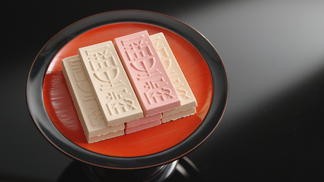
Wagashi Sweets from Samurai Town
Kanazawa city, Ishikawa Pref.
FOOD
2015
30 minutes Episode(s): 1
english
Japanese


[Food of Japan Season 1]
The historical samurai town of Kanazawa is famous for wagashi (Japanese traditional sweets). The city is said to have the largest consumption of fresh wagashi. The different wagashi are traditionally made according to the four distinct seasons, adding elegance to people's daily lives. This documentary takes you on a journey to the world of sophisticated sweets, and important food culture from this samurai town.
Click here to preview this episode!
Part of the "Food of Japan Series"!
The historical samurai town of Kanazawa is famous for wagashi (Japanese traditional sweets). The city is said to have the largest consumption of fresh wagashi. The different wagashi are traditionally made according to the four distinct seasons, adding elegance to people's daily lives. This documentary takes you on a journey to the world of sophisticated sweets, and important food culture from this samurai town.
Click here to preview this episode!
Part of the "Food of Japan Series"!
Customers who watch this video also watch
-

Hungry Hoppers - Pigging out around Japan
2010 24 minsThis crazy and entertaining food show hosted by Yo Oizumi, a Japanese rising actor/star, follows three comedic guys known as the "Piggy Family" as they travel around Japan seeking out the local hidden delicacies that Japan's world-renowned cuisine has to offer. Watch as the guys travel in their minivan, named...more details -
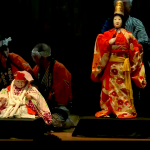
Mikoji -Jisa, Anesa, and a 19-year-old Spring-
2018 30 mins[Festivals of Japan Season 2] The "Mikoji Dance" is a 150-year-old dance performed during the Taromaru Shuuraku Spring Festival in Nagaoka City, Niigata Prefecture. In this dance, the sitting doll of an old man and the standing doll of a young woman comically dance to the accompaniment of vibrant drums,...more details -
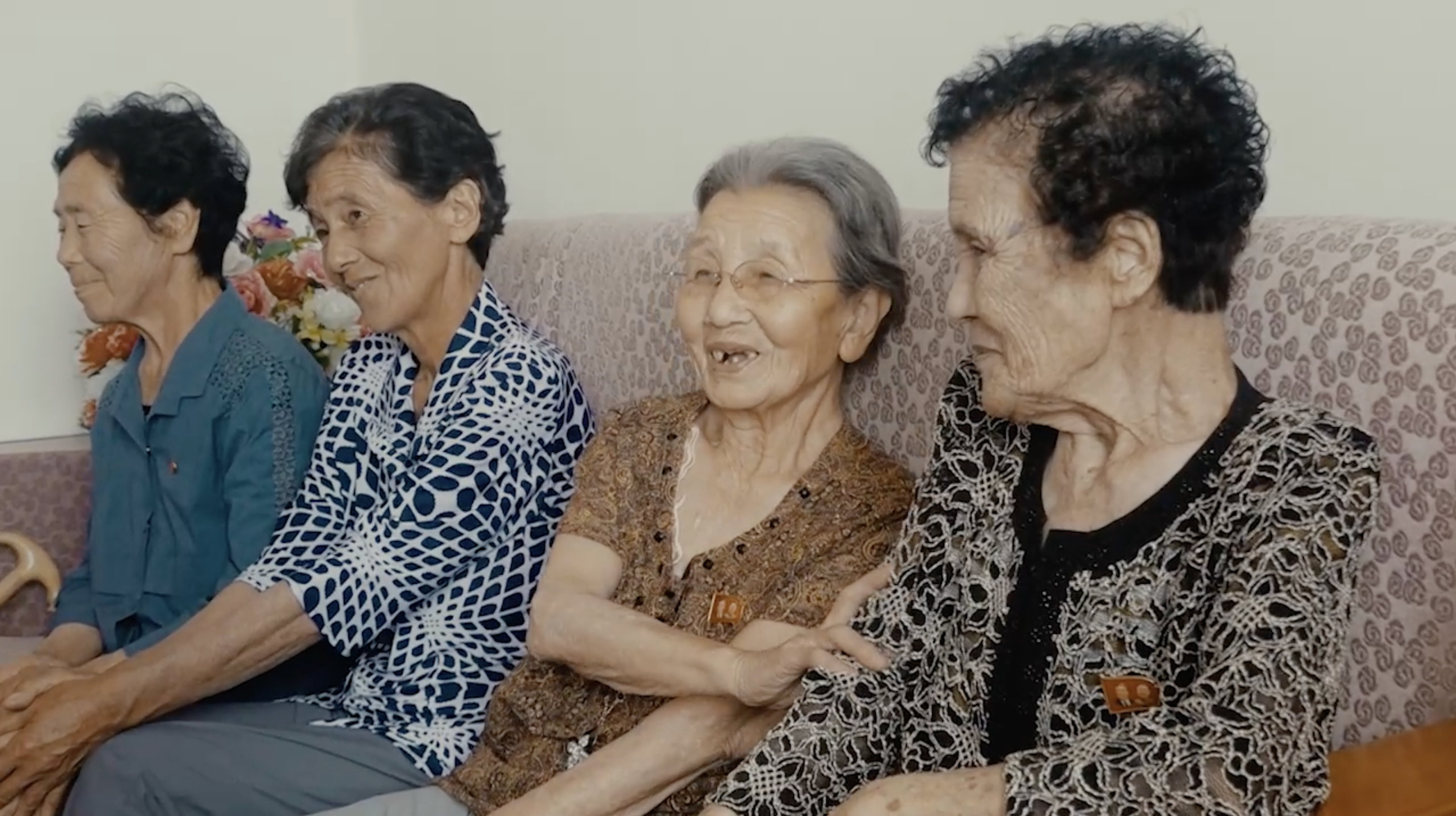
I'm Taking a Little Trip to North Korea
 2023 2023 World Media Festivals Gold 2023 New York International Film Festival Silver 2023 US International Awards Silver The Repatriation Project saw nearly 93,000 people migrate from Japan to North Korea between 1959 and 1984. While the project was mainly aimed at native-born Koreans looking to return to their homeland, approximately...more details
 -

Just an Ordinary Family: 22 years of a married couple with disabilities
2014 ABU Prizes 2015 TV Winner for Documentary Coverage that follows a severely disabled married couple from their marriage, giving birth, and raising their children, for 22 years. Both Mr. and Mrs. Akimoto have cerebral palsy. They got married in 1992 as they sought independence from their parents. Before long, the...more details